 (Image via
In a world dictated by digital clocks and endless notifications, it is all too easy to lose touch with the natural cadence of the earth. We often forget that for millennia, humanity did not live by the tick of a second hand, but by the slow, deliberate turning of the seasons. Our ancestors marked the passage of time not with calendar alerts, but with vibrant, communal outbursts of joy, reverence, and gratitude known as folk festivals. These celebrations were the rhythmic heartbeat of society, ensuring that communities remained synchronized with the planting of seeds, the height of the sun, the harvest of plenty, and the quiet of winter.
Rediscovering these ancient grooves offers more than just a history lesson; it provides a pathway back to a more grounded and connected way of living. From the flower-crowned dances of Scandinavia to the fire-lit nights of the Celtic isles, these traditions remind us that we are part of a larger, living cycle. They invite us to step away from the artificial glow of our screens and step into the warmth of a bonfire or the swirl of a village dance. This guide explores five electric, soul-stirring folk celebrations that continue to honor the earth's tempo, proving that the old ways still have plenty of rhythm left in them.
Walpurgis Night in Northern Europe
As winter finally loosens its icy grip on Northern Europe, communities from Sweden to Germany ignite the night with the fiery celebration of Walpurgis Night. Held on the last day of April, exactly six months from All Hallows' Eve, this festival marks the definitive arrival of spring. Huge bonfires are built on hilltops to ward off lingering evil spirits and witches, a tradition that dates back to pagan times. The crackle of the flames is accompanied by choral singing, folk dancing, and a palpable sense of relief that the darkness has passed. It is a loud, bright, and communal "welcome home" to the sun, signaling that life is ready to bloom once again.
For the modern attendee, Walpurgis Night is a spectacular sensory experience that bridges the gap between the mystical and the social. In university towns like Uppsala, Sweden, the event transforms into a massive, joyous party where students don white caps and flood the parks for champagne breakfasts and river rafting. Yet, even amidst the revelry, the ancient core remains: the fire serves as a cleansing force, burning away the old year's debris to make way for new growth. It teaches us that transitions deserve to be marked with heat and light, encouraging us to actively cast off our own winter blues and embrace the coming warmth with open arms.
Midsommar in Sweden
When the sun reaches its zenith and the days stretch endlessly into the night, Sweden pauses for Midsommar, a celebration of light and fertility that is arguably more cherished than Christmas. The centerpiece of the festivities is the raising of the maypole, a towering structure decorated with birch branches and wildflowers, around which people of all ages dance the famous "Little Frogs" dance. The air is thick with the scent of blooming nature, and tables groan under the weight of pickled herring, new potatoes, and endless toasts of schnapps. It is a day when the boundary between nature and humanity dissolves, and everyone adorns themselves with flower crowns to honor the explosive vitality of the summer solstice.
This festival is a masterclass in savoring the moment. In a region where darkness dominates for much of the year, Midsommar is an ecstatic embrace of the light while it lasts. Folklore dictates that the magic of nature is potent on this night; young people pick seven different kinds of flowers to place under their pillows, hoping to dream of their future spouse. Participating in Midsommar, even as a visitor, is an invitation to slow down and appreciate abundance. It reminds us that peak moments of joy and sunlight are fleeting, and the best way to honor them is to gather with friends, eat well, and dance until the sun dips just below the horizon, only to rise again moments later.
Samhain in Ireland and Scotland
As the harvest concludes and the world begins to wither and darken, the Celtic festival of Samhain marks the beginning of the new year and the start of winter. This ancient precursor to Halloween is a time when the veil between the living and the dead is believed to be at its thinnest. Historically, cattle were brought down from summer pastures, and communal fires were lit to protect families from the encroaching darkness and the spirits that roamed the earth. Today, festivals like the Púca Festival in Ireland revive this spirited tradition with spectacular fire processions, storytelling, and music that honors the mystery and melancholy of the season.
Samhain offers a profound psychological counterpoint to the relentless positivity of modern culture. It encourages communities to acknowledge death, darkness, and the end of cycles as necessary parts of life. By dressing in disguise, originally to confuse malevolent spirits, participants engage in a playful but respectful dance with the unknown. The celebration is not morbid but rather deeply grounding; it asks us to gather resources, share stories by the hearth, and prepare our inner selves for the introspection of winter. It is a groovy, gothic reminder that there is beauty in the shadows and that resting, much like the fields in winter, is an essential part of the rhythm of existence.
The Holi Festival in India
Holi, the Festival of Colors, is perhaps the most visually stunning way to welcome the arrival of spring and bid farewell to winter. Celebrated across India and Nepal, this ancient Hindu festival is a riotous explosion of joy where social norms are temporarily suspended. Participants chase each other through the streets, throwing handfuls of vibrant colored powder (gulal) and spraying water, turning entire towns into living, breathing canvases of pink, green, yellow, and blue. The festival commemorates the victory of good over evil and the blossoming love of the deities Radha and Krishna, perfectly mirroring the earth's sudden burst of color after the grey of winter.
Beyond the spectacle, Holi serves a vital social function by dissolving boundaries of caste, age, and gender. Under the layers of paint, everyone looks the same, fostering a spirit of universal brotherhood and forgiveness. It is a time to repair broken relationships, pay off debts, and start fresh with a clean slate, or rather, a very colorful one. The chaotic energy of Holi aligns perfectly with the unpredictable, energetic nature of spring itself. It encourages us to let go of our inhibitions, embrace the messiness of life, and physically embody the vibrancy of the changing season. It is a reminder that renewal should be loud, messy, and shared with everyone around you.
Lohri in Punjab
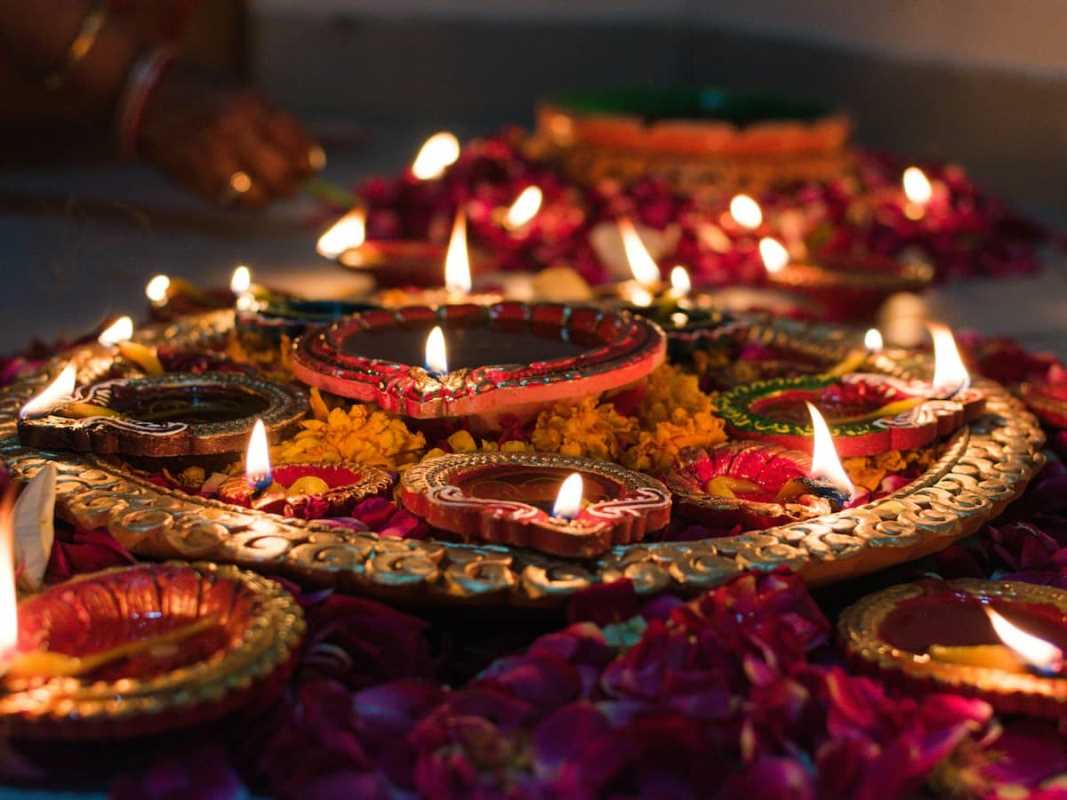
In the agricultural heartland of Punjab, the festival of Lohri is celebrated in mid-January to mark the passing of the winter solstice and the gradual return of longer days. It is primarily a harvest festival dedicated to the ripening of winter crops like sugarcane and mustard. The focal point of the celebration is a large bonfire, around which families gather to toss offerings of sesame seeds, jaggery, and popcorn into the flames, feeding the fire god Agni. This act is a prayer for prosperity and a way to thank the elements for their bounty. Folk songs are sung to the beat of the dhol drum, and traditional dances like Bhangra and Gidda keep the energy high and the bodies warm against the winter chill.
Lohri is a beautiful example of how agrarian societies find hope in the depths of winter. Even though the coldest days may still be present, the festival acknowledges that the light is returning and the earth is waking up. It is especially significant for families who have witnessed a marriage or the birth of a child in the past year, turning the event into a massive community blessing for the new members. The warmth of the fire, the sweetness of the jaggery, and the rhythm of the drums create a cozy, optimistic atmosphere. It teaches us to celebrate the small shifts in nature, finding reasons to gather and share warmth even before the full spring thaw arrives.