 (Image via
In an age of digital streams and curated online personas, the simple, powerful act of gathering in person can feel almost revolutionary. We are wired for connection, yet our modern lives often pull us into our own separate orbits. Community events are the gravity that pulls us back together, reminding us that we are part of something larger than ourselves. But let's be honest: another bake sale or neighborhood block party, while lovely, might not be enough to cut through the noise of our busy schedules.
To truly bring people together, we need events that do more than just occupy the same space. We need experiences that spark curiosity, encourage collaboration, and create shared memories. It’s about moving beyond passive entertainment and designing active, participatory events that give people a reason to talk to each other, learn from one another, and build the kind of genuine relationships that turn a collection of houses into a real neighborhood.
The best community events are often born from a simple, creative twist on a familiar idea. They offer a low barrier to entry, making everyone feel welcome regardless of age, background, or skill level. If you're looking to energize your town, neighborhood, or organization, here are five innovative community event ideas designed to do just that.
Host A Repair Cafe And Skill-Share Fair
We live in a disposable culture. When a toaster stops toasting or a sweater gets a hole, the default solution is often to toss it and buy a new one. A Repair Cafe challenges this mindset head-on. It’s a free community event where people can bring their broken household items, electronics, clothing, bicycles, small furniture, and work alongside volunteer "fixers" to repair them. It’s a hands-on, collaborative, and incredibly empowering experience.
The magic of a Repair Cafe isn't just in fixing things; it's in the connections that are forged over a tangled power cord or a stuck zipper. It brings together people with practical skills and those eager to learn, bridging generational and cultural gaps. The retired engineer showing a teenager how to solder a circuit board, the avid knitter teaching someone to darn a sock, these are the interactions that build resilient, resourceful communities.
To take it a step further, combine the Repair Cafe with a Skill-Share Fair. This expands the concept beyond just fixing. You can set up stations where community members teach short, informal workshops on anything they are passionate about. Some ideas include:
- How to sharpen kitchen knives
- Basic bike maintenance
- How to braid hair
- Simple coding for kids
- How to make the perfect sourdough starter
This model celebrates the hidden talents within a community, reminding everyone that they have something valuable to offer and something new to learn. It fosters a culture of mutual support and turns a simple gathering into a vibrant hub of shared knowledge.
Organize A Human Library Event
Imagine a library where, instead of borrowing books, you borrow people. That’s the concept behind a Human Library. It’s a powerful event designed to challenge stereotypes and foster empathy by creating a space for one-on-one conversations between people who might not otherwise interact. The "books" are volunteers from diverse backgrounds who have experienced prejudice, stereotyping, or social exclusion. The "readers" are community members who can "check out" a book for a 20-minute conversation.
The titles of the human books are often intriguing and direct, such as "Refugee," "Transgender," "Recovering Addict," or "Police Officer." Readers choose a book, sit down with them, and are encouraged to ask the questions they have always wanted to ask but were afraid to. The event creates a safe, respectful framework for dialogue, allowing for honest and open exchanges that can break down barriers in a way that headlines and statistics never can.
Organizing a Human Library requires thoughtful recruitment of volunteer books and a bit of training to ensure everyone feels safe and respected. The impact, however, is profound. It replaces assumptions with personal stories, fostering a deeper understanding of the diverse human experiences within a single community. It is a quiet, intimate event that can lead to loud, transformative shifts in perspective.
Launch A Neighborhood Storytelling Night
Every person and every place has a story, but we rarely create opportunities to share them. A neighborhood storytelling night is a simple, low-tech way to uncover the rich history and personal narratives that make a community unique. It’s like a live-action podcast, but the stars are your own neighbors. The format is simple: you pick a theme and invite people to prepare a short, five-minute true story related to it.
The theme provides a creative constraint that can lead to a wonderful variety of tales. Themes like "My First Job," "A Brush with Fame," "Lost and Found," or "The Best Mistake I Ever Made" can elicit stories that are funny, poignant, and deeply human. You can set up a simple stage with a microphone in a community hall, a local park, or even a backyard. The key is to create a supportive, non-judgmental atmosphere where even reluctant speakers feel comfortable sharing.
This type of event doesn't require a big budget, just a decent sound system and some cozy lighting. It celebrates the art of oral tradition and reminds us that the most compelling stories are often the ones happening right next door. It’s an incredibly effective way to build a sense of shared identity and history, turning a group of strangers into a community with a common narrative.
Create A Community-Wide Scavenger Hunt
A community scavenger hunt takes the familiar concept of a treasure hunt and blows it up to a neighborhood or city-wide scale. It’s an interactive event that encourages teams of friends, families, and neighbors to explore their local area, discover hidden gems, and engage with their surroundings in a new and playful way. This isn’t about finding random objects; it’s about completing challenges and solving clues that are tied to the community's history, landmarks, and local businesses.
A clue might lead a team to a historic plaque, where they have to answer a question about its text. Another might require them to take a creative photo in front of a piece of public art or get a signature from a local shop owner. You can design the hunt to be completed on foot, by bike, or using public transit, promoting active lifestyles and local exploration.
The beauty of a scavenger hunt is its ability to appeal to all ages. It combines teamwork, problem-solving, and physical activity in a fun, competitive format. Organizing it can be a creative endeavor in itself, involving partnerships with local businesses who can act as "stops" or prize donors. The event culminates in a final gathering point where teams submit their completed tasks, share stories from their adventure, and celebrate the winners. It’s an energetic, memorable way to get people out and about, fostering a deeper appreciation for the place they call home.
Host A Potluck With A Purpose
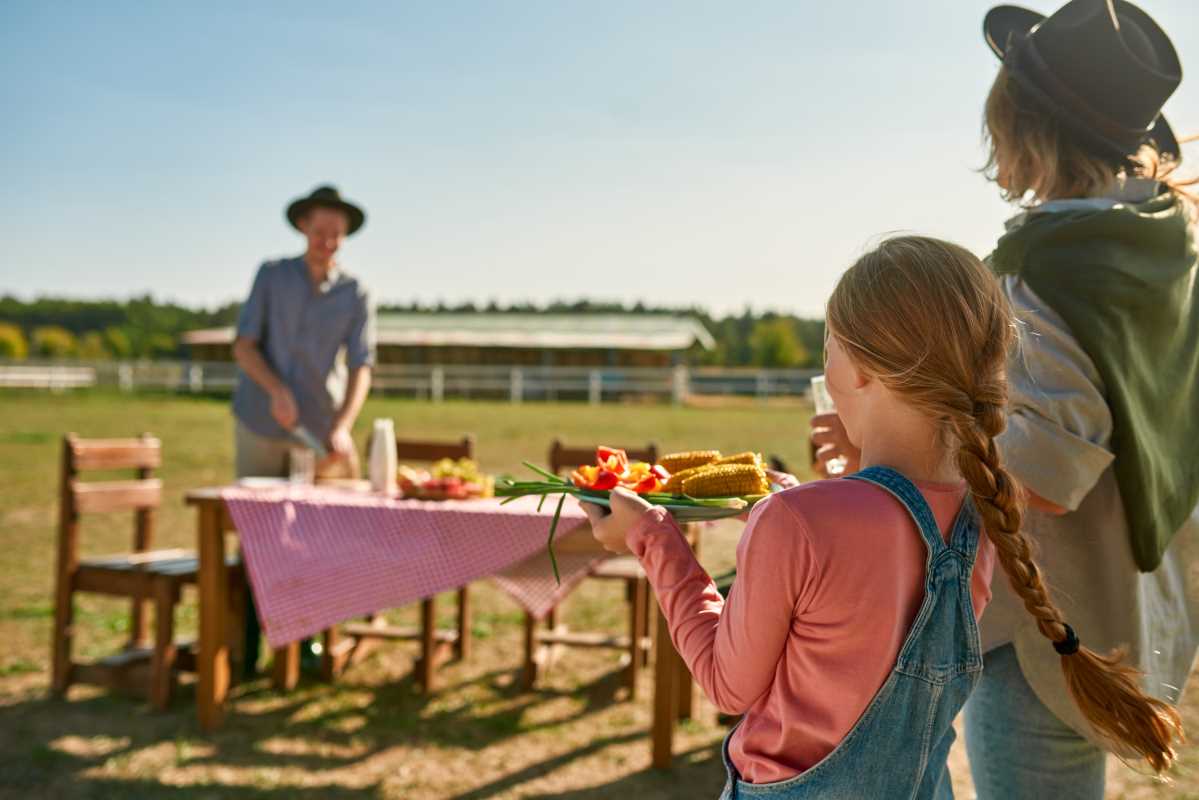
A potluck is a classic community-building event, but you can elevate it from a simple meal to a more meaningful gathering by adding a "purpose." Instead of just bringing a random dish, a Potluck with a Purpose asks attendees to contribute in a way that supports a specific theme or community project. This adds a layer of intention and collective action to the shared meal.
For instance, you could host a "Seed and Recipe Swap Potluck" in the spring. Attendees bring a dish to share, a packet of their favorite garden seeds, and the recipe for their dish. People get to eat, exchange seeds for the upcoming growing season, and go home with a collection of new recipes from their neighbors. It fosters connections around food, gardening, and self-sufficiency.
Another idea is a "Community Project Brainstorm Potluck." The meal serves as the backdrop for a collaborative session focused on a local issue, like improving a neighborhood park or starting a community garden. You can set up large sheets of paper where people can write down ideas while they eat and mingle. The informal, social atmosphere of a potluck can often lead to more creative and inclusive brainstorming than a formal town hall meeting. It combines the simple joy of sharing food with the empowering act of civic engagement.