 (Image via
In an age dominated by industrial agriculture and patented genetics, the humble community seed swap stands as a vibrant act of resistance and connection. These gatherings are far more than simple exchanges of plant material; they are living repositories of history, culture, and neighborly reliance. When a gardener hands over a packet of seeds, they are often passing along a story that stretches back generations, a specific tomato that thrived during the Dust Bowl or a bean variety brought over in a grandmother's pocket from the Old Country. These events remind us that biodiversity is not just a scientific concept but a cultural inheritance that requires active stewardship.
Participating in a seed swap is an induction into a rhythm of life that honors the seasons and the collective wisdom of the community. It is where seasoned elders teach novices the delicate art of saving seeds and where local adaptation is prized over commercial uniformity. The traditions observed at these events foster a deep sense of belonging, grounding participants in the specific soil and climate of their region. By keeping these customs alive, communities ensure food security and maintain a genetic library that is resilient, diverse, and accessible to all. This guide explores five enduring traditions that make seed swaps such a vital part of our gardening heritage.
Sharing the Stories Behind the Seeds
One of the most profound traditions at any seed swap is the oral history that accompanies the exchange. It is rarely enough to simply label a packet with "Pole Bean" or "Yellow Squash." Instead, participants are encouraged to write down or verbally share the provenance of the seed. You might learn that a particular pepper variety has been grown by the same family in the county for fifty years, or that a specific marigold was a favorite of a beloved local teacher. These narratives transform a tiny, dormant seed into a character in a larger community saga, imbuing the act of planting with emotional weight and historical continuity.
This storytelling aspect serves a practical purpose as well as a sentimental one. By sharing the history of a seed, gardeners pass on crucial information about its traits and hardiness. A story about how a pumpkin survived a particularly wet summer or how a lettuce variety resists bolting in the local heat provides invaluable data that you won't find on a commercial seed packet. This tradition ensures that the knowledge of how to grow a plant successfully travels alongside the genetic material itself. It turns every gardener into a historian and every garden into a living museum of local resilience and triumph.
The Potluck of Homegrown Dishes
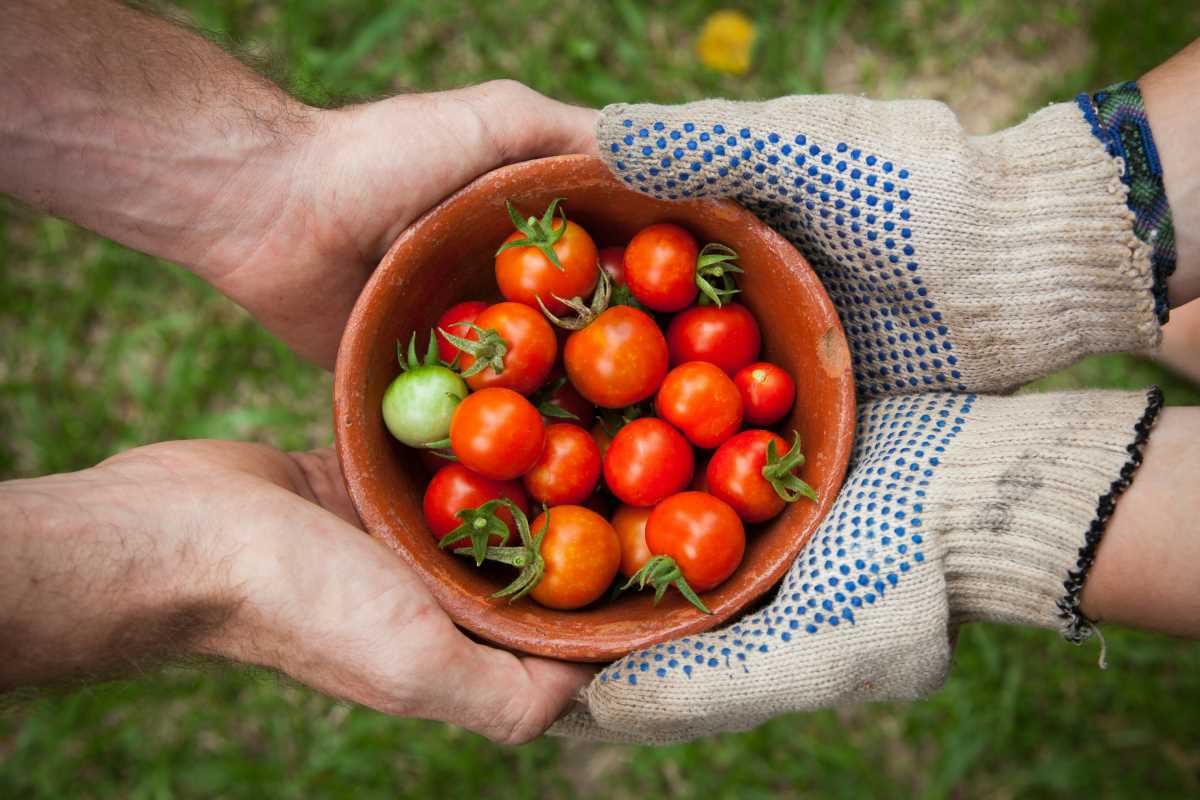
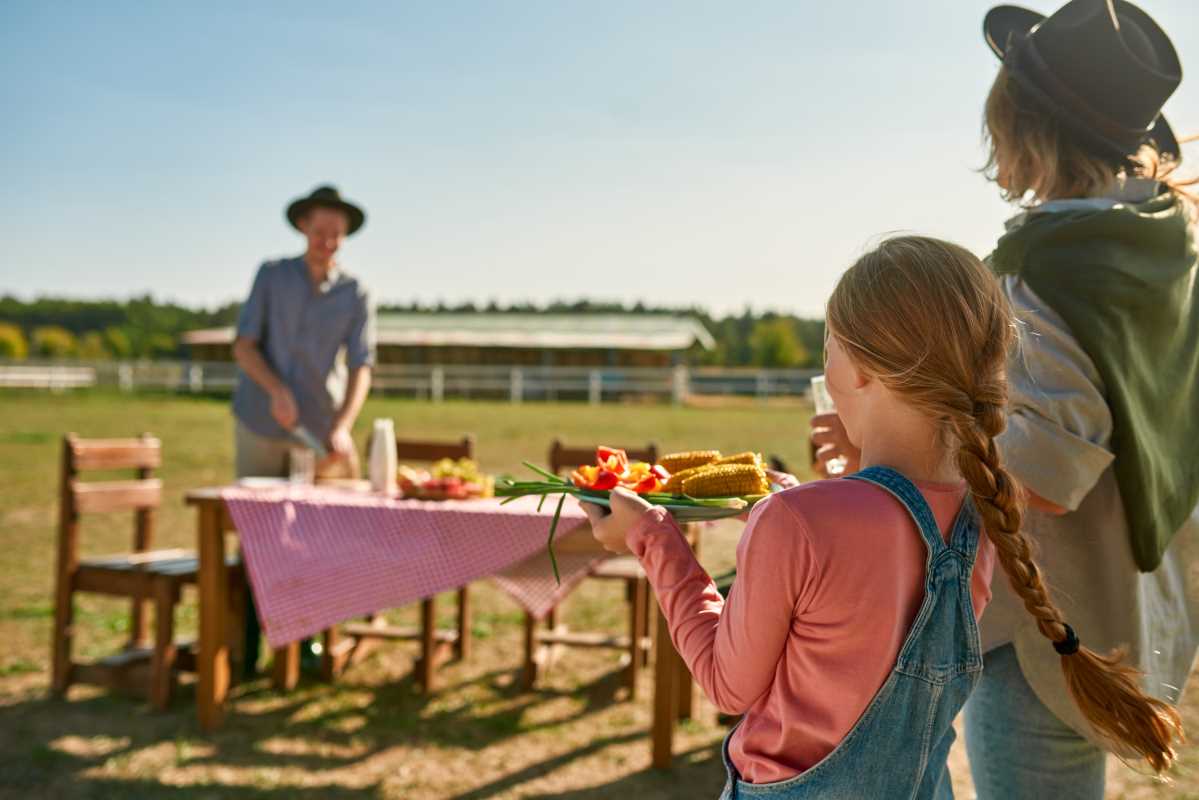
Food is the universal language of community, and it is traditional for seed swaps to feature a potluck where the star ingredients are often grown from the very seeds being exchanged. This practice grounds the abstract potential of a seed in the tangible pleasure of a meal. Seeing, and tasting, a loaf of bread made from locally adapted wheat or a salsa crafted from heirloom tomatoes offers visceral proof of the value of seed saving. It is a celebration of the full cycle of the garden, from the soil to the seed to the table, reinforcing the connection between what we save and what we eat.
The potluck tradition also serves as a vital informal networking session. Over plates of homemade food, barriers break down, and conversation flows more freely than it might over a table of dry goods. Recipes are swapped alongside planting tips, and friendships are forged over shared culinary heritage. In many ways, the food acts as the "proof of concept" for the seeds on the tables. It demonstrates the superior flavor and nutritional value of homegrown produce, inspiring attendees to go home and plant their own gardens with renewed enthusiasm. It transforms the event from a marketplace into a communal feast.
Demonstrations of Seed Cleaning Techniques
A cornerstone of many seed swaps is the live demonstration of seed processing and cleaning skills. While growing the plant is one skill, harvesting and preparing the seed for storage is entirely another. Elders or experienced seed savers often set up stations to show the specific techniques required for different crops, fermenting tomato seeds to remove their gel coating, winnowing chaff from dry beans using the wind, or carefully extracting seeds from dried flower heads. This hands-on education ensures that the technical skills necessary for seed sovereignty are not lost but are instead actively taught to the next generation.
These demonstrations often become collaborative activities where everyone pitches in to shuck corn or thresh pods. The rhythmic, repetitive work provides a space for meditative conversation and shared labor, echoing the communal work parties of the past. Watching a pile of dried plant matter be transformed into clean, viable seed is a magical process that demystifies the source of our food. By teaching these techniques publicly, the community ensures that high-quality seed continues to circulate. It empowers individuals to move beyond being consumers of garden products to becoming producers and guardians of the agricultural cycle.
Creating Community Seed Banks
Many seed swaps have evolved to include the tradition of contributing to a permanent, localized community seed bank or library. Unlike the casual exchange between two individuals, this practice involves setting aside a portion of the seeds to be held in common trust for the future. Participants are often asked to "check out" seeds at the beginning of the season with the promise to return a portion of their harvest's seeds at the next gathering. This formalizes the cycle of reciprocity and ensures that rare or locally important varieties are not lost if a single gardener has a crop failure.
This tradition emphasizes the concept of seeds as a commons, a resource that belongs to everyone and no one. It shifts the mindset from personal ownership to collective stewardship. The seed bank becomes a physical representation of the community's resilience, stocked with varieties that have proven themselves in the local microclimate. Contributing to the bank is seen as a civic duty and an honor. It ensures that even if a gardener moves away or passes on, the genetic legacy they stewarded remains available to nourish their neighbors for years to come.
The Blessing of the Seeds
In many communities, the seed swap opens or closes with a ceremony or blessing of the seeds. This tradition acknowledges the spiritual dimension of agriculture and the mystery of life contained within a seed. Whether it is a formal prayer led by local clergy, an indigenous ceremony honoring the land, or a secular moment of gratitude and intention, this practice centers the group. It is a moment to pause and recognize the dependence of human life on the natural world and to ask for a bountiful and safe growing season.
This ritualistic aspect elevates the event from a simple logistical exchange to a meaningful seasonal milestone. It connects the modern gardener to ancient agricultural rites that have been performed for millennia. The blessing often serves to unite a diverse group of people under a shared purpose: the care of the earth and the feeding of the community. It instills a sense of reverence and responsibility, reminding everyone that while they may do the planting and the watering, the growth itself is a gift. It sets a tone of humility and hope that participants carry back to their own patches of soil.