 (Image via
Community spirit is that intangible, powerful feeling that turns a geographical location into a hometown. It’s the difference between living next to people and living alongside neighbors. It’s the collective pride in a local high school team, the casual wave to a familiar face at the grocery store, and the shared sense of belonging that makes a place feel like home. In our increasingly digital and transient world, however, this spirit can sometimes feel like a fading echo from a bygone era.
But community spirit isn’t something that just happens; it’s something that is actively built. It is cultivated through shared experiences, common goals, and the simple, everyday interactions that weave individual threads into a strong social fabric. It doesn’t require a massive budget or a top-down mandate from city hall. Often, the most impactful initiatives are grassroots efforts, born from a simple desire to connect.
Fostering this sense of connection makes our communities safer, healthier, and more resilient. It creates a support system that we can lean on in tough times and a source of joy to celebrate in good times. If you're looking to boost the morale and connection in your own neighborhood or town, here are five creative ideas to help rekindle that vital community spirit.
Launch A "Little Free" Project Beyond Just Books
The Little Free Library is a brilliant concept that has popped up on curbsides around the world. It encourages literacy and sharing in a simple, accessible way. But why stop at books? The "Little Free" model can be adapted to foster community spirit around almost any shared interest or need. It’s about creating small, localized hubs for exchange that spark joy and interaction.
Imagine a "Little Free Pantry" where neighbors can leave non-perishable food items for those who might be facing food insecurity. It operates on a simple principle: take what you need, leave what you can. It’s a dignified, anonymous way for a community to care for its own. Or consider a "Little Free Art Gallery," a weatherproof box with a glass door where residents can display or trade small pieces of art, a child's drawing, a small sculpture, a photograph. It turns a walk through the neighborhood into a dynamic art tour.
The possibilities are endlessly creative and can be tailored to the unique character of your community.
- Little Free Seed Library: A box for neighbors to swap garden seeds in the spring.
- Little Free Puzzle Exchange: A place to trade jigsaw puzzles.
- Little Free Tool Stand: A spot to borrow a hammer or a screwdriver for a quick job.
- Little Free Pet Pantry: A place to leave extra pet food, toys, or treats for furry neighbors.
Each of these small installations serves as a physical testament to a community's generosity and shared interests, creating delightful little moments of connection for everyone.
Organize A Community-Wide Beautification Project
Shared work towards a common goal is one of the fastest ways to build camaraderie. A community beautification project channels the collective energy of residents into creating a more beautiful, pleasant, and pride-inspiring environment for everyone. This goes beyond a simple litter pickup; it's about making a lasting, visible improvement that everyone can enjoy.
A great example is a community mural project. You could identify a drab, graffiti-prone wall and, with permission, turn it into a canvas for a vibrant piece of public art. You don't need to be a group of professional artists. You can work with a local artist to design the mural and then host a "community paint day" where residents of all ages can help fill in the colors. The process of creating the art together is just as important as the final product. Every time a resident walks past that wall, they’ll feel a sense of ownership and pride.
Another idea is to "adopt" a neglected public space, a forgotten median strip, a small roundabout, or the entrance to the neighborhood. Organize a team of volunteers to clear out the weeds, amend the soil, and plant a perennial garden filled with hardy, low-maintenance native plants. This not only beautifies the area but also creates a valuable habitat for local pollinators. It’s a project that keeps on giving, blooming year after year as a symbol of the community's care.
Host A Skill-Swap Or Workshop Series
Every community is a treasure trove of hidden talents and untapped knowledge. A skill-swap or workshop series is an event that mines this treasure, creating a platform for neighbors to teach and learn from one another. It celebrates the expertise of everyday people and fosters a culture of mutual support and lifelong learning. This moves beyond a simple social gathering and into the realm of practical, valuable exchange.
The format can be as simple or as structured as you like. You could host a one-day "SkillFest" at a local community center or park, with multiple residents leading short, one-hour workshops simultaneously. One person might be teaching basic bike repair, another demonstrating how to bake the perfect chocolate chip cookie, and a third leading a beginner’s yoga class.
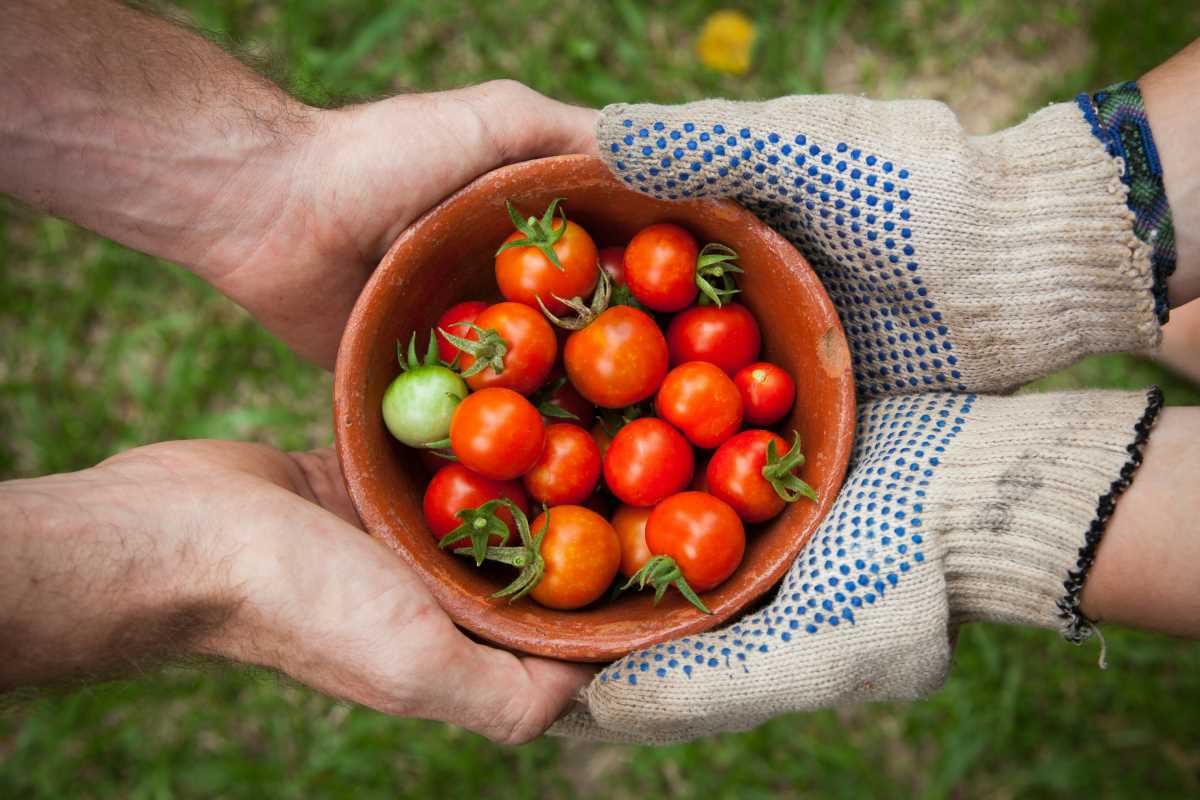
Alternatively, you could organize a recurring monthly workshop series. The topics are limited only by the passions of your neighbors. You might find a retired woodworker willing to teach a birdhouse-building class, a tech-savvy teen eager to show seniors how to use their smartphones, or an avid gardener ready to share their secrets for growing tomatoes. This model reminds us that everyone is both a teacher and a student. It builds respect, forges new friendships based on shared interests, and makes the entire community more resilient and self-sufficient.
Start An Annual "Uniquely Us" Tradition
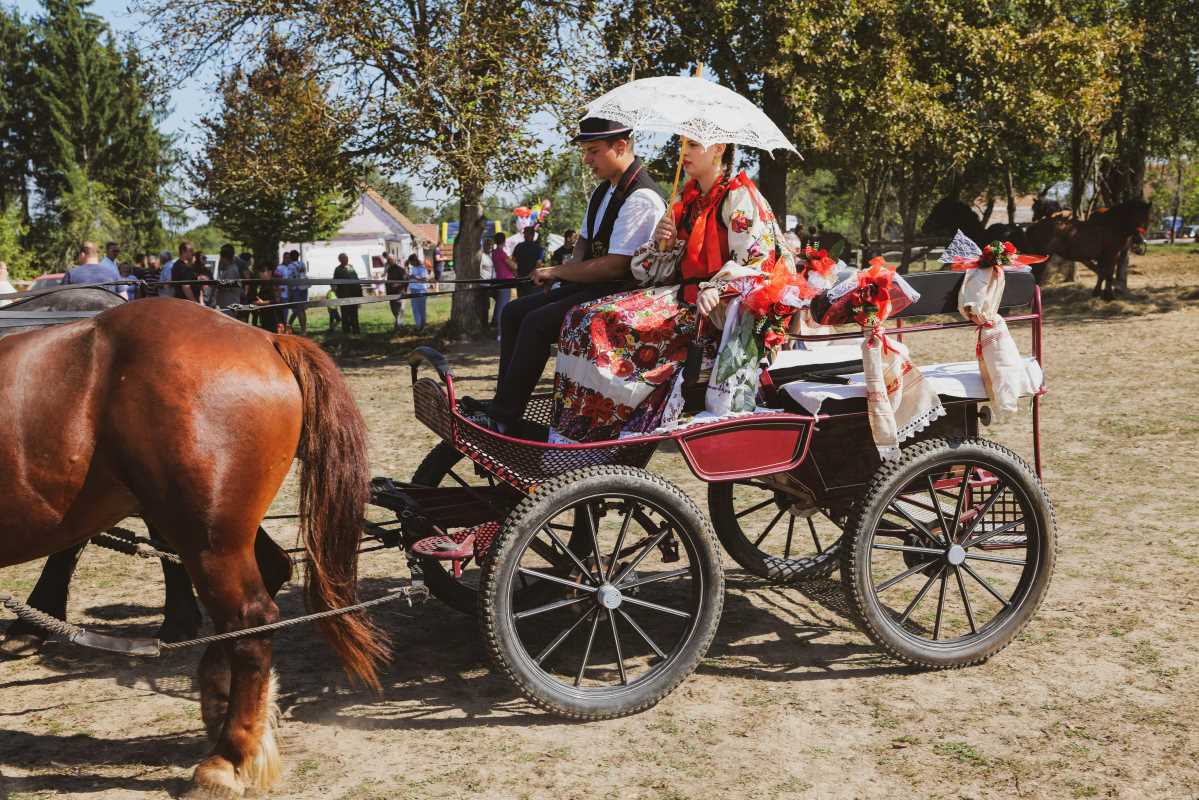
Every memorable town has its own quirky traditions, the annual rubber duck race down the local creek, the summer solstice lantern parade, or the hilariously competitive lawnmower race. These unique, often whimsical, events give a community its distinct character and create a powerful sense of shared identity. They are the stories people tell when they describe where they're from. Creating a new, homegrown tradition can be a powerful way to galvanize community spirit.
The key is to dream up an event that reflects the unique personality or history of your area. If you live in a coastal town, maybe it's an amateur sandcastle-building competition. If your community has a large dog population, perhaps it's an annual "Pooch Parade" with costumes and silly awards. The goal is to create a low-stakes, high-fun event that people of all ages will look forward to year after year.
Think about what makes your community special. Is there a local legend you could celebrate? A historical event you could commemorate in a playful way? A shared passion you could turn into a friendly competition? Starting a new tradition takes a bit of creative energy and organizational effort in the first year, but once it gains momentum, it can become a self-perpetuating source of joy and pride that defines the community for generations to come.
Create A Community Welcome Wagon
For newcomers, breaking into an established community can be an intimidating experience. A "Community Welcome Wagon" is a proactive, organized effort to make new residents feel seen, valued, and connected from the moment they arrive. It’s a simple act of hospitality that can transform a person's entire experience of moving to a new place, setting the stage for them to become an engaged and active community member.
This can be a formal committee or an informal group of friendly neighbors. The group's task is to identify when a new family moves into the neighborhood and to pay them a visit with a small welcome package. This isn't about selling them anything; it's about genuine welcome. The package could contain a list of helpful local information: trash pickup days, the best local pizza place, a map of nearby parks, and contact information for the neighborhood association.
To make it even more special, you could include small gifts or coupons from local businesses. This not only provides value to the new resident but also fosters good relationships with the local economy. The most important part of the visit, however, is the human connection, a friendly face, a warm introduction, and an open invitation to an upcoming community event. It sends a powerful message: "We're glad you're here." This simple gesture can be the spark that ignites a new resident's long-lasting community spirit.