In a modern society that often draws a sharp line between the gallery and the garden, it is easy to forget that art and agriculture share a deep, historical root system. Both disciplines require patience, observation, and a profound respect for the cycles of nature. Fortunately, a growing number of festivals around the world are dedicated to reconnecting these two worlds. These gatherings are not just about observing; they are about participating in the messy, beautiful intersection of creativity and cultivation. They remind us that the farmer and the artist are both creators, shaping the world around them to sustain the body and the soul.
These unique events offer more than just a day out; they provide an immersive experience where hay bales become sculptures and harvest rituals transform into performance art. Visitors can expect to find themselves discussing soil health with a poet or learning weaving techniques from a sheep farmer. By celebrating the bounty of the land alongside the bounty of the human imagination, these festivals foster a deeper appreciation for where our food comes from and the culture that grows alongside it. Here are five exceptional festivals where the plow and the paintbrush meet in perfect harmony.
The Earth and Fire Pottery Festival
Held annually in the historic setting of Nottinghamshire, England, the Earth and Fire Pottery Festival is a vibrant celebration of clay, one of the most fundamental links between art and the earth. This event brings together over a hundred ceramic artists from across Europe to showcase work that is literally born from the soil. The festival emphasizes the raw materials of the craft, often featuring demonstrations of digging local clay and firing techniques that have been used for centuries. It highlights the agricultural origins of pottery, reminding attendees that the vessels we use to store and serve our food are products of the land just as much as the crops themselves.
Beyond the marketplace of stunning ceramics, the festival offers hands-on opportunities for visitors to get their hands dirty. Workshops allow participants to try throwing pots on a wheel or hand-building sculptures, often using themes inspired by the surrounding gardens and parkland. The atmosphere is bustling yet grounded, with the smell of woodsmoke from the kilns mixing with the fresh country air. It is a place where the technical skill of the artist meets the elemental unpredictability of fire and earth. By attending, visitors gain a tactile understanding of the patience and resilience required in both pottery and farming.
The Santa Fe Harvest Festival
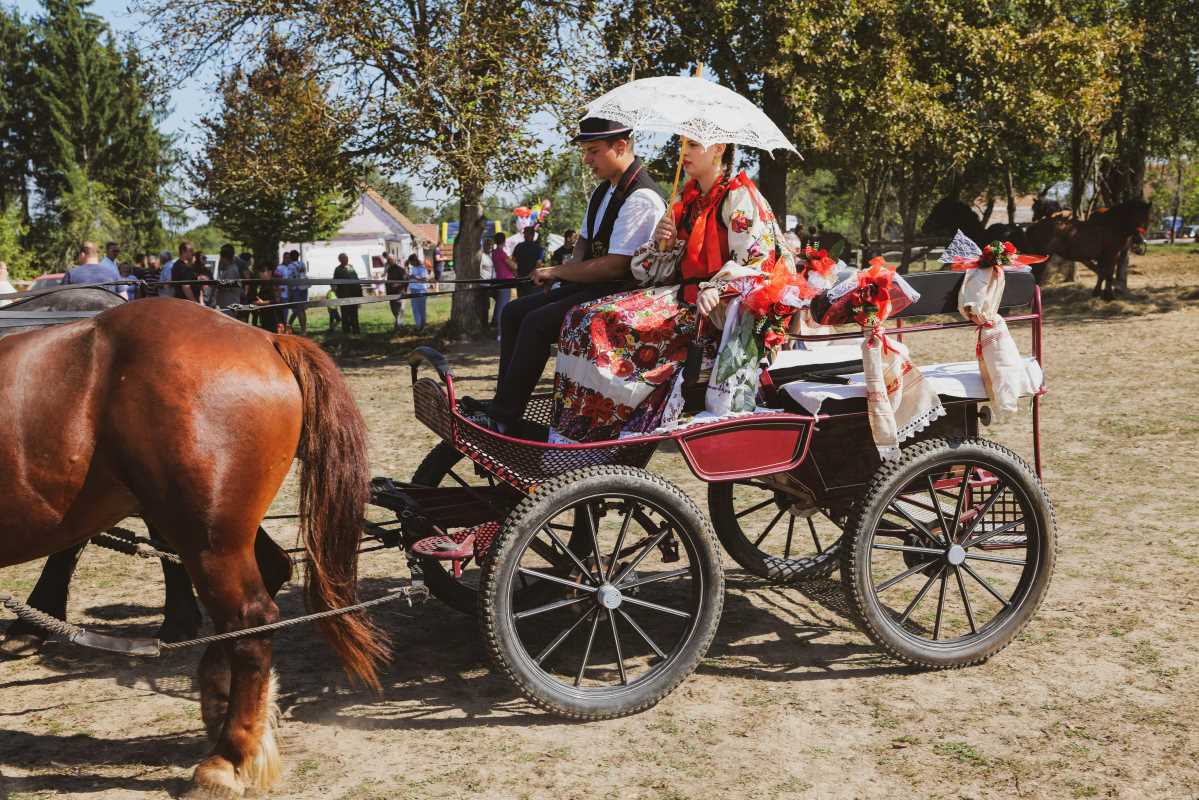
The Santa Fe Harvest Festival at El Rancho de las Golondrinas in New Mexico is a living history event that vividly illustrates the artistic traditions inherent in agricultural life. Set on a historic ranch dating back to the early 1700s, this festival transports visitors to a time when art was a daily necessity rather than a luxury. The event features traditional harvest activities like crushing grapes for wine by foot and stringing red chile peppers into ristras, a practice that is as aesthetically striking as it is practical for preservation. These activities show how the visual culture of the Southwest is inextricably linked to its farming calendar.
In addition to the agricultural demonstrations, the festival is a showcase for traditional Spanish Colonial arts. Artisans display tinwork, weaving, and colcha embroidery, explaining how these crafts utilized materials available on the ranch, from sheep's wool to local pigments. The vibrant colors of the dancers’ costumes swirl against the backdrop of golden fields, creating a moving tableau of heritage and celebration. It is an educational experience that honors the ingenuity of ancestors who made beauty a part of their survival. For visitors, it offers a profound look at how culture and cultivation have sustained each other in the high desert for centuries.
The Echigo-Tsumari Art Triennale
Located in the rural Niigata prefecture of Japan, the Echigo-Tsumari Art Triennale is perhaps the most ambitious example of using art to revitalize an agricultural region. Spanning hundreds of square miles of rice fields, mountains, and villages, this festival invites international artists to create installations that engage directly with the landscape and the local farming community. The artworks are often situated in abandoned houses or rice paddies, drawing attention to the depopulation of rural areas while celebrating the beauty of the agricultural environment. It forces visitors to hike through fields and visit tiny hamlets, effectively turning the entire region into an open-air museum.
The festival is deeply collaborative, with artists often working alongside local farmers to realize their visions. Projects might involve planting specific crops to create patterns visible from above or transforming old farming equipment into kinetic sculptures. This interaction breathes new life into the aging community, fostering a sense of pride and connection between the residents and the global art world. Visitors don’t just see art; they experience the rhythm of life in the Japanese countryside. It is a powerful testament to how creativity can address social issues and highlight the enduring value of working the land.
The Common Ground Country Fair
The Common Ground Country Fair in Unity, Maine, is distinct among American fairs for its rigorous focus on organic agriculture and sustainable living, seamlessly blended with high-quality folk arts. Organized by the Maine Organic Farmers and Gardeners Association, the event rejects the carnival rides and commercialism of typical state fairs in favor of educational exhibits and handmade goods. Here, the "art" is found in the craftsmanship of a timber-frame barn raising, the intricate patterns of a hand-woven basket, and the breeding of heritage livestock. It celebrates the artistry of skill and self-sufficiency.
Workshops at the fair blur the lines between farming and crafting. You might learn how to dye wool using plants foraged from the festival grounds or how to carve a wooden spoon from a tree felled on a local farm. The aesthetic of the fair is one of functional beauty, where every object has a purpose and a story. The farmers' market is a visual feast of heirloom vegetables arranged with the care of a still-life painting. For attendees, the Common Ground Country Fair is an inspiring demonstration of how living close to the land encourages a creative, hands-on approach to every aspect of life.
The Land Art Generator Initiative
While not a traditional weekend festival, the Land Art Generator Initiative (LAGI) hosts biennial design competitions and public events that reimagine renewable energy infrastructure as public art. These gatherings often take place in urban-agricultural settings or reclaimed industrial sites, challenging designers to create solar and wind power generators that are also beautiful sculptures. The "harvest" here is energy, but the connection to the land is vital. These events push the boundaries of how we view our resources, asking why our utilitarian needs cannot be met with aesthetic wonder.
The public exhibitions associated with LAGI allow communities to interact with these futuristic concepts, often set within parks or community gardens. Visitors can walk through solar-paneled pathways that mimic the structure of leaves or sit beneath wind turbines designed to look like swaying stalks of wheat. These designs often incorporate actual plant growth, merging technology with biology. It is a forward-looking celebration that asks us to cultivate our energy just as carefully as we cultivate our food. By merging engineering, art, and ecology, LAGI inspires a vision of a future where our infrastructure enhances the natural landscape rather than dominating it.