In an age of two-day shipping and sprawling superstores, it is easy to forget the simple, profound pleasure of shopping as a communal act. But in small towns across the country, a timeless tradition endures: the local market. This is where commerce sheds its corporate shell and becomes personal again. It is where you can buy a tomato from the person who grew it, a piece of pottery from the hands that shaped it, and a vintage chair from someone who can tell you its history.
More than just places to buy and sell, these markets are the social and cultural heartbeats of their communities. They are the unofficial town squares where neighbors catch up over coffee, where kids run freely, and where the unique character of a place is put on full display. They are vibrant, chaotic, and deeply human, offering an experience that no algorithm or automated checkout can replicate.
These gatherings remind us that community is built on face-to-face interactions and shared experiences. They are living, breathing ecosystems that support local economies, celebrate craftsmanship, and, most importantly, bring everyone together. Here are five types of small-town markets that masterfully blend commerce with community.
The Quintessential Saturday Morning Farmers Market
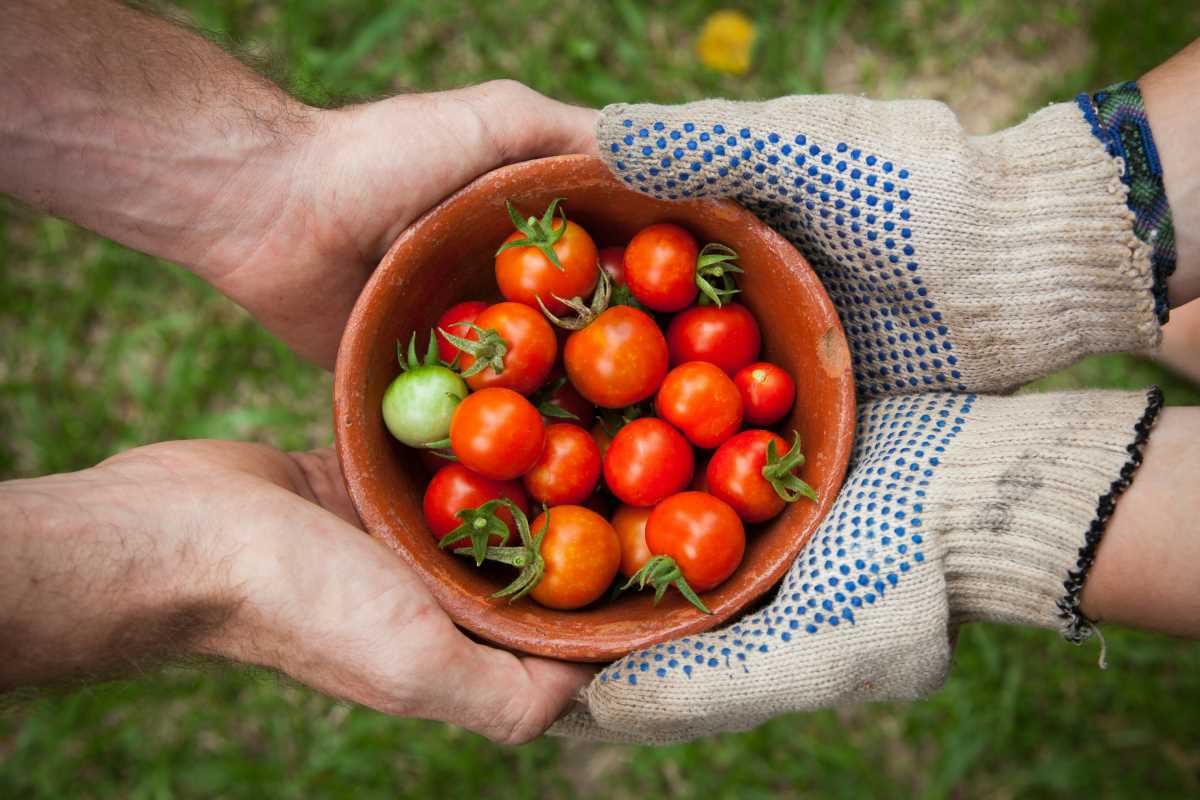
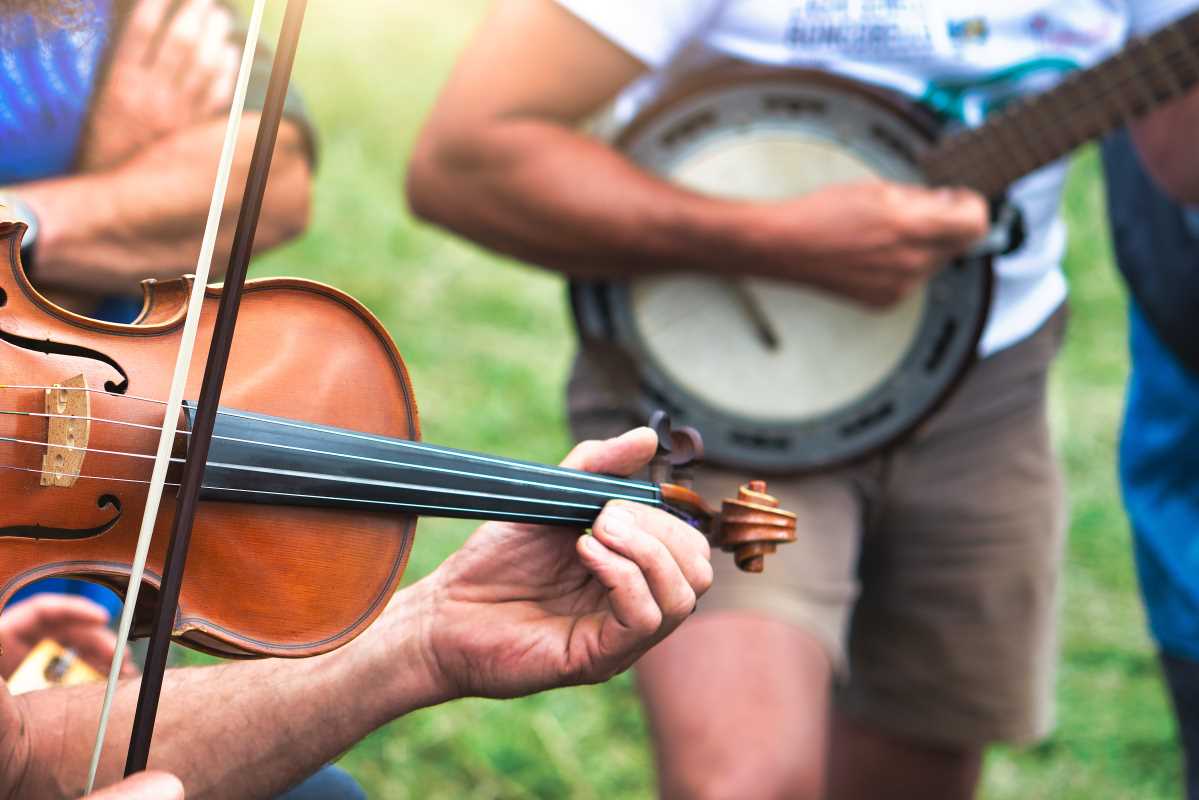
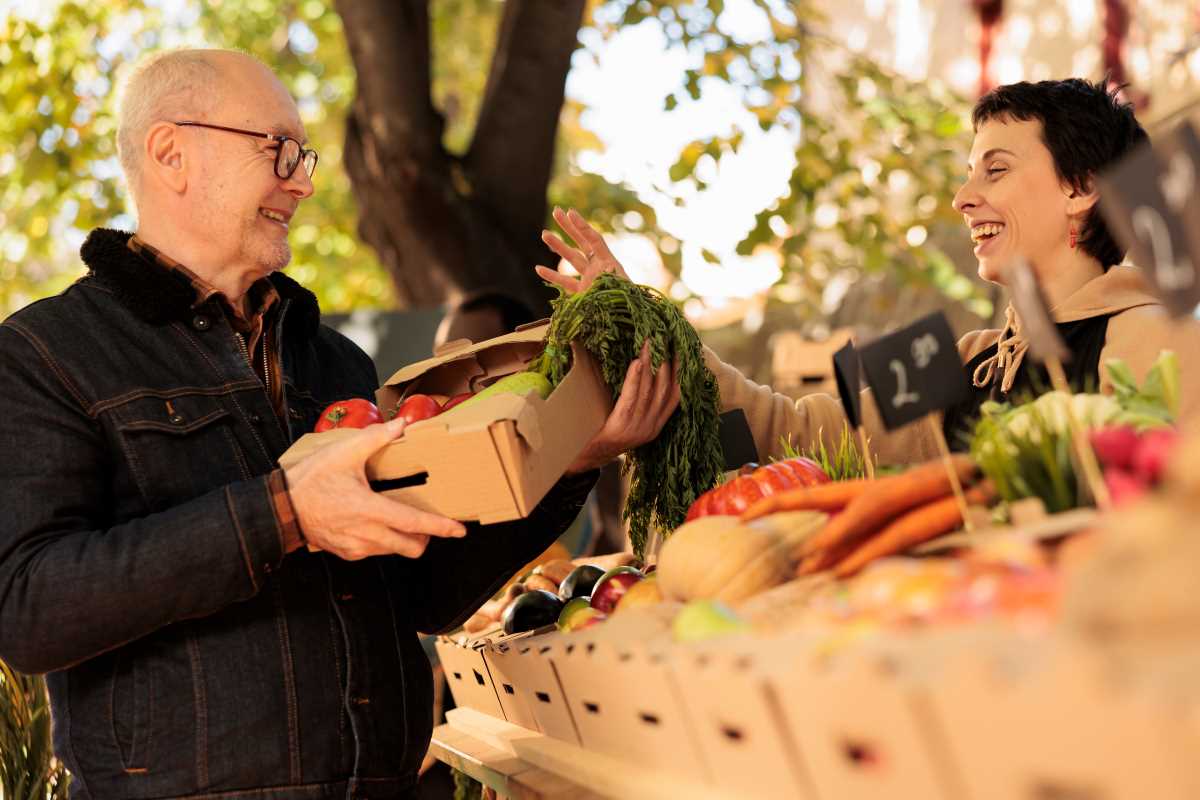
There is no institution more central to small-town life than the Saturday morning farmers market. It is a sensory explosion: the scent of ripe peaches, the vibrant colors of heirloom tomatoes, the sound of a local musician strumming a guitar, and the cheerful din of neighbors greeting one another. This is where the connection between the land and the table is made tangible. You are not just buying food; you are shaking hands with the farmer who battled a late frost to save the strawberries or the beekeeper who can tell you which flowers her bees visited to make that particular jar of honey.
The farmers market is a weekly pilgrimage. It becomes a ritual, a reason to get out of the house and participate in the life of your town. It is where you discover what is truly in season, forcing a creativity in the kitchen that you just do not get when everything is available year-round. You learn to appreciate the fleeting glory of sweet corn in August or the earthy richness of winter squash in October.
Beyond the produce, these markets are incubators for small-scale food artisans. You will find the baker with the perfect sourdough, the cheesemaker with a tangy goat cheese, and the young couple selling small-batch pickles. It is a direct investment in the local economy, ensuring that your money stays within the community and supports the families who make your town a delicious place to live.
The Eclectic And Surprising Flea Market
If a farmers market is about fresh starts, a flea market is about second chances. Part treasure hunt, part open-air museum, the small-town flea market is a glorious jumble of history, nostalgia, and pure, unadulterated stuff. Here, under rows of tents or spread out on blankets, you will find the accumulated possessions of generations, each item waiting for a new story. It is a place where a chipped enamelware bowl can sit beside a dusty collection of vinyl records and a beautifully worn leather armchair.
The charm of a flea market lies in its unpredictability. You never know what you are going to find, and that is the whole point. You might go in looking for a picture frame and come out with a vintage typewriter and a cast-iron skillet. It is a rebellion against the curated, uniform aesthetic of modern retail.
Flea markets are also incredible social equalizers. They attract everyone from serious antique dealers and trendy designers to young families looking for affordable furniture and retirees simply enjoying a day out. Here are some of the characters you are guaranteed to meet:
- The Lifelong Collector: An expert in a hyper-specific niche, like Depression-era glassware or pre-war tools.
- The Upcycler: Someone with a vision for turning a rusty piece of metal into a chic industrial light fixture.
- The Haggler: The person who truly enjoys the sport of negotiating a good deal.
- The Storyteller: The vendor whose main goal seems to be sharing the history of every single item on their table.
This is where you learn the art of the "slow look," training your eye to see the potential in what others have discarded.
The Festive And Creative Craft Fair
A craft fair is a vibrant celebration of local talent and human ingenuity. This is where the town’s makers, artists, and hobbyists come out of their workshops and studios to showcase their skills. Unlike the anonymous goods in a big-box store, every item at a craft fair has a human touch. You can feel the texture of hand-thrown pottery, admire the intricate stitches of a handmade quilt, and smell the natural beeswax in a hand-poured candle.
These events are often themed around seasons or holidays, like a Christmas market or a fall harvest festival, adding a layer of festive excitement. They become annual traditions that families look forward to, marking the passage of time with opportunities to buy unique, meaningful gifts. Supporting these artisans is a direct vote for creativity and small-scale entrepreneurship.
More than just a place to shop, a craft fair is an exchange of inspiration. You get to talk to the jewelry maker about her process or ask the woodworker where he sources his lumber. Often, these fairs include live demonstrations, allowing you to watch a glassblower at work or a weaver at the loom. This transparency connects us to the process of making things, fostering a deeper appreciation for the skill and patience required to create something beautiful by hand.
The Nostalgic Charm Of The Seasonal Antique Show
While a flea market is a chaotic free-for-all, a seasonal antique show is a more curated and focused affair. Often held just a few times a year, these events bring together reputable dealers from across the region, transforming a town hall, fairground, or historic main street into a temporary haven for history buffs. Here, the quality is generally higher, and the items are presented with more care. Each booth is a carefully arranged vignette, a small, walk-in world of a particular era or style.
These shows are educational. Dealers are typically passionate experts who are happy to share their knowledge about the provenance of a piece of furniture, the history of a particular silver pattern, or the tell-tale signs of a genuine 18th-century painting. It is a living history lesson where you can touch the exhibits.
Antique shows are about investing in items with permanence and a past. In a world of disposable goods, there is something deeply satisfying about buying a dining table that has already hosted a century of family dinners or a chest of drawers that has held the clothes of generations. These objects bring a sense of gravity and soul to a home. They have survived, and by bringing them into our lives, we become the next chapter in their long story.
The Pop-Up Night Market Under The Stars
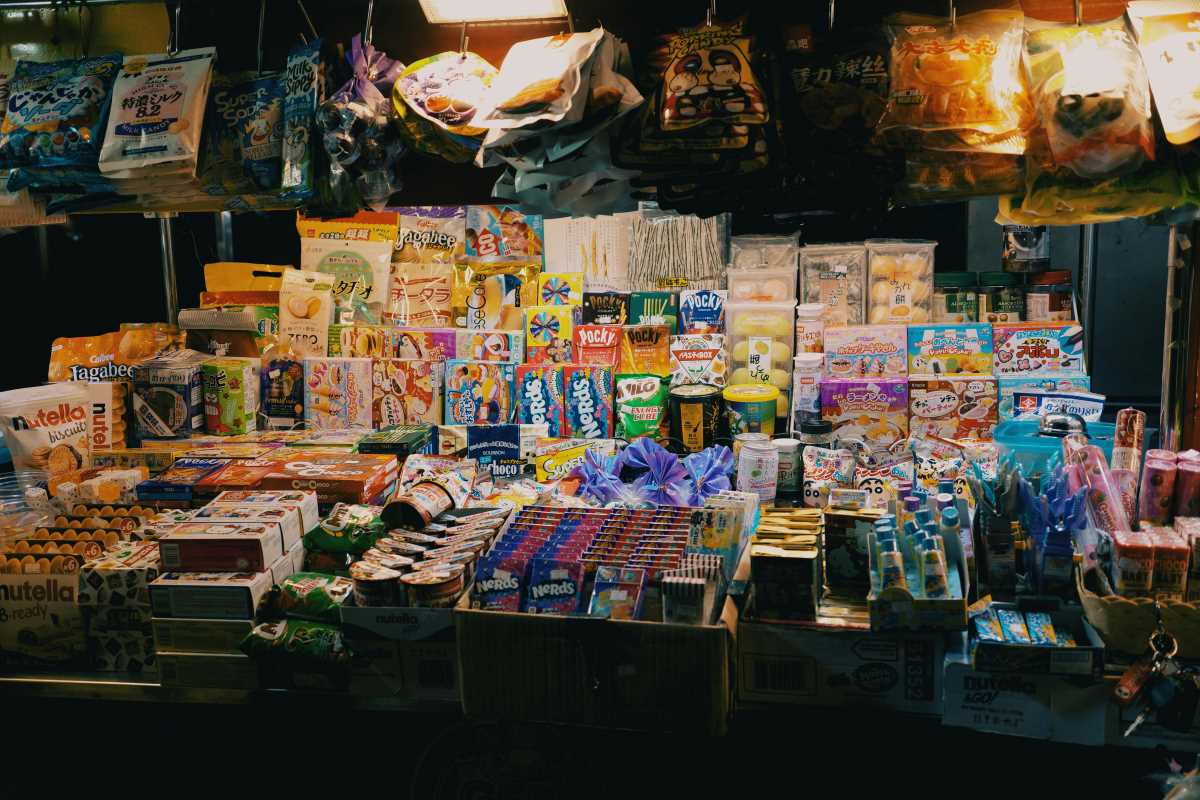
A newer but rapidly growing tradition in many small towns is the pop-up night market. By shifting the event to the evening, the entire atmosphere changes. Twinkling string lights are hung between trees, the heat of the day subsides, and a more relaxed, celebratory vibe takes over. These markets often focus on a combination of street food, local breweries, and live music, making them a perfect destination for a casual Friday or Saturday night.
The night market feels less like a shopping trip and more like a town-wide block party. It is a place to grab a taco from a food truck, sip a craft beer, and listen to a local band while browsing stalls of handmade goods. It draws a diverse crowd, from families with young children to couples on a date night.
This format provides a platform for a different kind of vendor. You might find a budding chef testing out a new restaurant concept, a mixologist selling artisanal syrups, or a designer showcasing their edgier, modern creations. The night market proves that small-town life does not have to shut down after 5 p.m. It creates a vibrant, social, and safe public space for people to gather after dark, fostering a sense of community that lasts long after the last food truck has packed up.