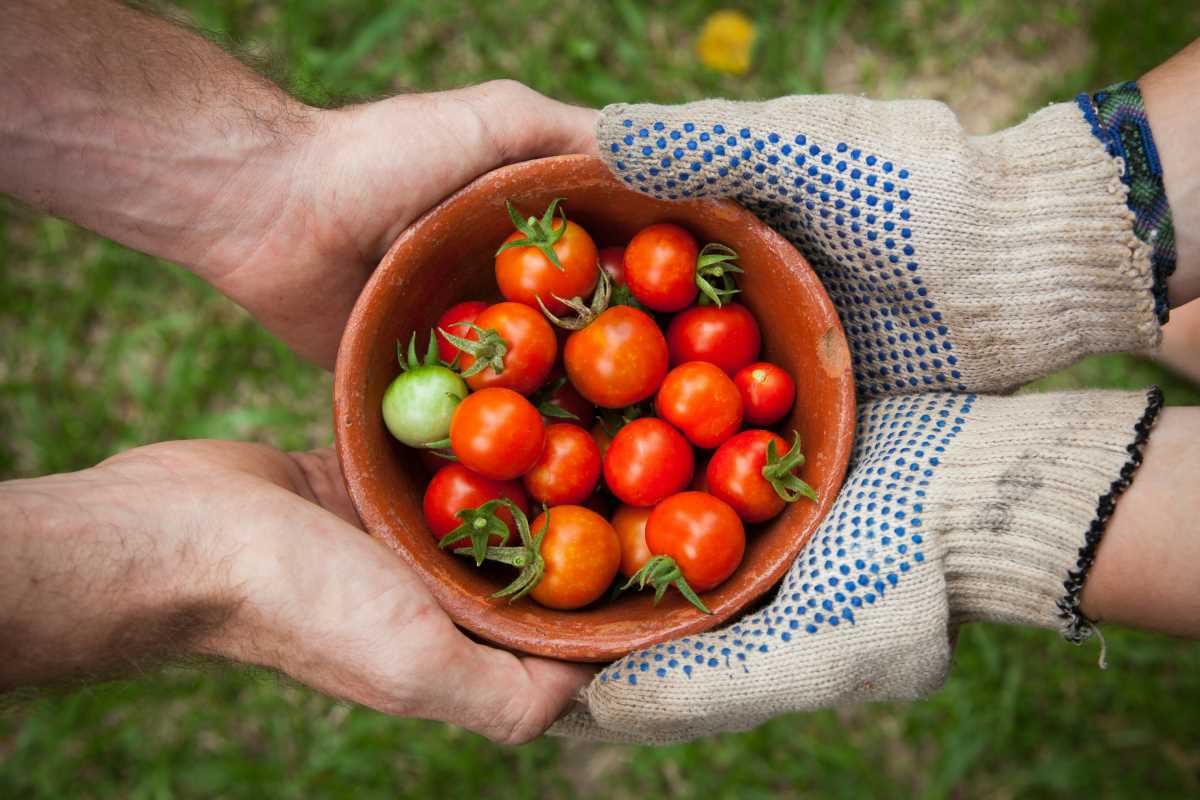
The concept of "farm-to-table" often evokes images of high-end restaurants and rustic wedding venues, but at its core, it is about rebuilding the broken connection between a community and its food source. For decades, our food systems have become increasingly centralized and opaque, distancing us from the growers who nourish us. However, a local revolution is brewing. Towns across the country are discovering that by implementing simple, community-led initiatives, they can foster a vibrant local food economy that benefits everyone. This isn't just about eating better; it's about building resilience, supporting local agriculture, and strengthening the social fabric of our neighborhoods.
Taking action doesn't require a government mandate or a massive budget. Many of the most impactful changes start with a small group of dedicated citizens who see a need and fill it. Whether you are a town council member, a concerned parent, or just someone who loves fresh tomatoes, you have the power to spark change. This guide outlines five practical initiatives you can launch in your town to promote farm-to-table living. These projects range from educational programs to infrastructure improvements, all designed to make local food more accessible, affordable, and celebrated in your community.
Establishing a Weekly Farmers Market
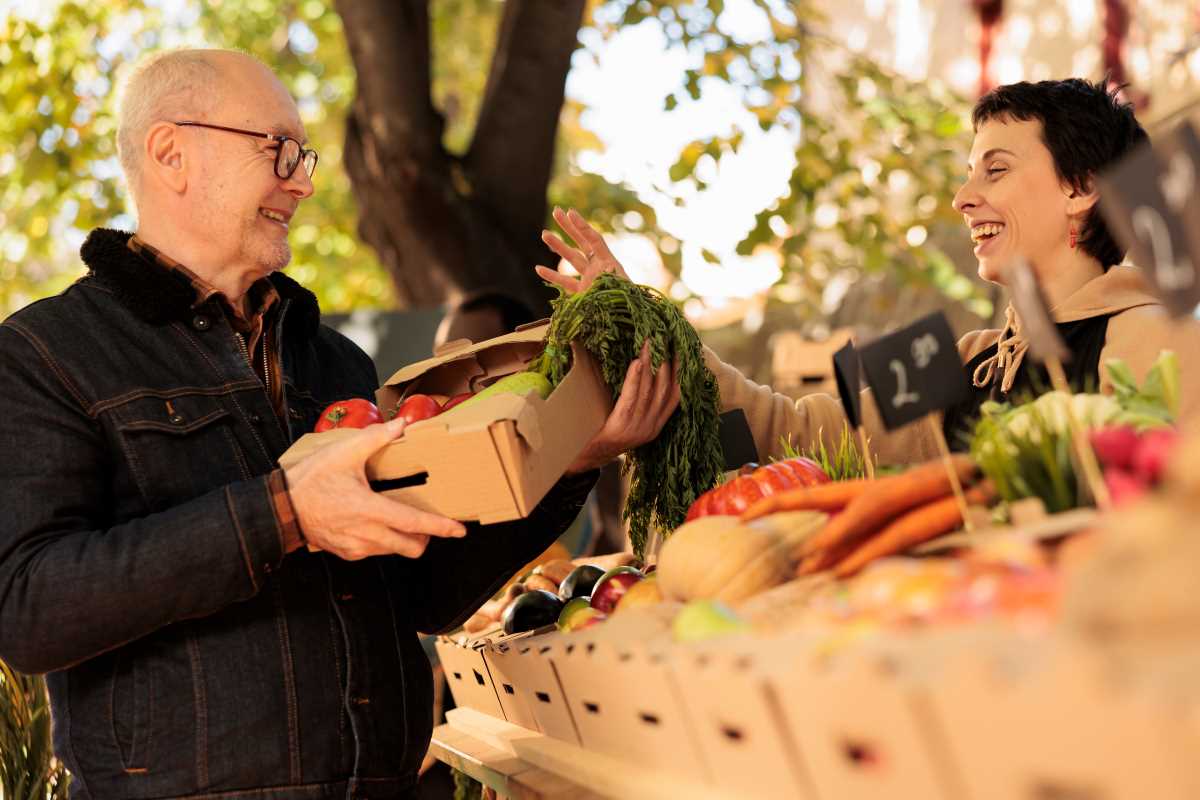
Starting a farmers market is perhaps the most visible and effective way to jumpstart a local food movement. It creates a centralized hub where producers can sell directly to consumers, eliminating the middlemen that drive up costs and reduce freshness. To begin, you need to identify a accessible location, such as a town square, park, or parking lot, and secure the necessary permits from local authorities. Form a committee to manage vendor applications, ensuring a diverse mix of vegetable growers, meat producers, and artisan bakers. It is crucial to establish clear guidelines that prioritize local production over resale to maintain the integrity of the market. Marketing the event heavily within the community is essential to ensure strong foot traffic on opening day.
The benefits of a thriving farmers market extend far beyond the exchange of goods. It transforms food shopping from a solitary chore into a social event, fostering connections between neighbors and farmers. This direct interaction allows consumers to ask questions about growing practices, deepening their understanding of seasonality and sustainability. Economically, it keeps money circulating within the local area, supporting small family farms that might otherwise struggle to compete with industrial agriculture. Successful markets often become the heartbeat of a town, spurring downtown revitalization and attracting visitors from neighboring communities who are eager for a taste of authentic local flavor.
Creating a Community Garden Network
While many people want to eat locally, not everyone has the space or knowledge to grow their own food. A community garden network solves this problem by turning underutilized public or private land into productive green spaces. To launch this initiative, scout for vacant lots, schoolyards, or church grounds that get plenty of sunlight and have access to water. Partner with local organizations or the municipal government to secure land use agreements. You will need to organize volunteer days to build raised beds, spread soil, and set up composting systems. Establish a simple membership structure where residents can rent a plot for a nominal fee, which helps cover maintenance costs and ensures buy-in from participants.
These gardens serve as living classrooms where knowledge is passed down from seasoned gardeners to novices. They provide fresh, nutritious produce to families who might lack access to high-quality groceries, promoting food security and better health outcomes. Furthermore, community gardens are powerful engines for social cohesion. They bring together people of different ages, backgrounds, and socioeconomic statuses who share a common goal of cultivation. Success stories from cities like Detroit and New York show that these spaces can reduce crime, improve mental health, and beautify neighborhoods. By creating a network, you ensure that these benefits are distributed throughout the town, making urban agriculture accessible to all.
Launching a Farm-to-School Program
One of the most impactful ways to change food culture is to start with the youngest generation. A Farm-to-School program connects local farmers with school cafeterias, ensuring that children have access to fresh, healthy meals while learning where their food comes from. The first step is to open a dialogue between school administrators, food service directors, and local agricultural producers. It often helps to start small, perhaps by introducing a "Harvest of the Month" feature where one locally sourced item is highlighted on the menu. Accompany these menu changes with educational components, such as farmer visits to the classroom, school garden activities, or field trips to nearby farms.
The benefits of this initiative are twofold: it improves student health and supports the local agricultural economy. Studies have shown that when children participate in growing and preparing food, they are more likely to eat fruits and vegetables. For farmers, schools represent a consistent, high-volume market that can provide financial stability. Beyond the cafeteria, these programs instill lifelong healthy eating habits and environmental stewardship values in students. Towns that have successfully implemented these programs often see a ripple effect, as students bring their newfound knowledge and enthusiasm home, influencing their families' purchasing habits and driving broader demand for local food.
Organizing Local Food Festivals
Celebration is a potent tool for community building, and a local food festival puts the region's agricultural bounty center stage. These events can revolve around a specific crop famous in your area, like a strawberry festival, a corn roast, or a garlic gathering, or be a broader celebration of the harvest season. To organize one, collaborate with local chefs, brewers, and artists to create an experience that appeals to all senses. Include cooking demonstrations using local ingredients, workshops on canning and preserving, and tasting booths where farmers can showcase their best products. Securing sponsorship from local businesses can help cover the costs of entertainment and logistics.
These festivals do more than just provide a fun day out; they educate the public about the culinary possibilities of local ingredients. They highlight the distinct flavors of the region, building a sense of "terroir" and local pride. By bringing chefs and farmers together, you foster professional relationships that can lead to lasting sourcing partnerships for local restaurants. Economically, festivals draw tourism dollars into the community and give farmers a high-profile platform to market their brand. A successful festival can become a signature event for your town, branding it as a destination for food lovers and reinforcing the community's identity as a hub of agricultural excellence.
Developing a Food Hub or Co-op
For a more structural approach to farm-to-table living, consider developing a food hub or a consumer cooperative. A food hub acts as an aggregation and distribution center, allowing smaller farmers to pool their products to meet the volume requirements of larger buyers like hospitals, universities, and grocery stores. Alternatively, a co-op is a grocery store owned by the community members who shop there, typically prioritizing local and organic products. Implementing either requires a solid business plan, fundraising efforts, and a dedicated steering committee. It is a longer-term project that often involves securing grants or community investment loans to lease a warehouse or retail space.
The impact of this infrastructure is transformative. It removes the logistical barriers that often prevent local food from reaching mainstream markets. For farmers, it provides access to wholesale markets that would be impossible to reach individually, allowing them to scale their operations sustainably. For the community, it ensures a consistent, year-round supply of local food that isn't dependent on the weekly schedule of a farmers market. Towns with food hubs or co-ops often see increased resilience in their local food supply chain, making them less vulnerable to global disruptions. It solidifies the commitment to a localized economy, keeping food dollars within the community and creating local jobs.