 (Image via
In the popular imagination, the worlds of art and agriculture can seem miles apart. One is associated with galleries, studios, and conceptual expression, while the other is grounded in soil, seasons, and the tangible work of producing food. Yet, in rural communities across the country, a powerful partnership is flourishing between artists and farmers. These creators are moving beyond the studio walls and into the fields, using their skills to celebrate, preserve, and sustain the agricultural way of life. They are proving that art is not a luxury but a vital tool for storytelling, community building, and economic resilience.
This movement is about more than just painting pretty landscapes of barns and pastures. It is an active collaboration where artists become advocates, documentarians, and economic partners for their farming neighbors. By embedding themselves in the agricultural landscape, they are creating work that honors the labor, challenges, and profound beauty of farming. This guide explores five inspiring ways rural artists are championing the farming way of life, demonstrating that a paintbrush, a camera, or a lump of clay can be as essential to a thriving rural community as a tractor.
Documenting and Preserving Agricultural Heritage
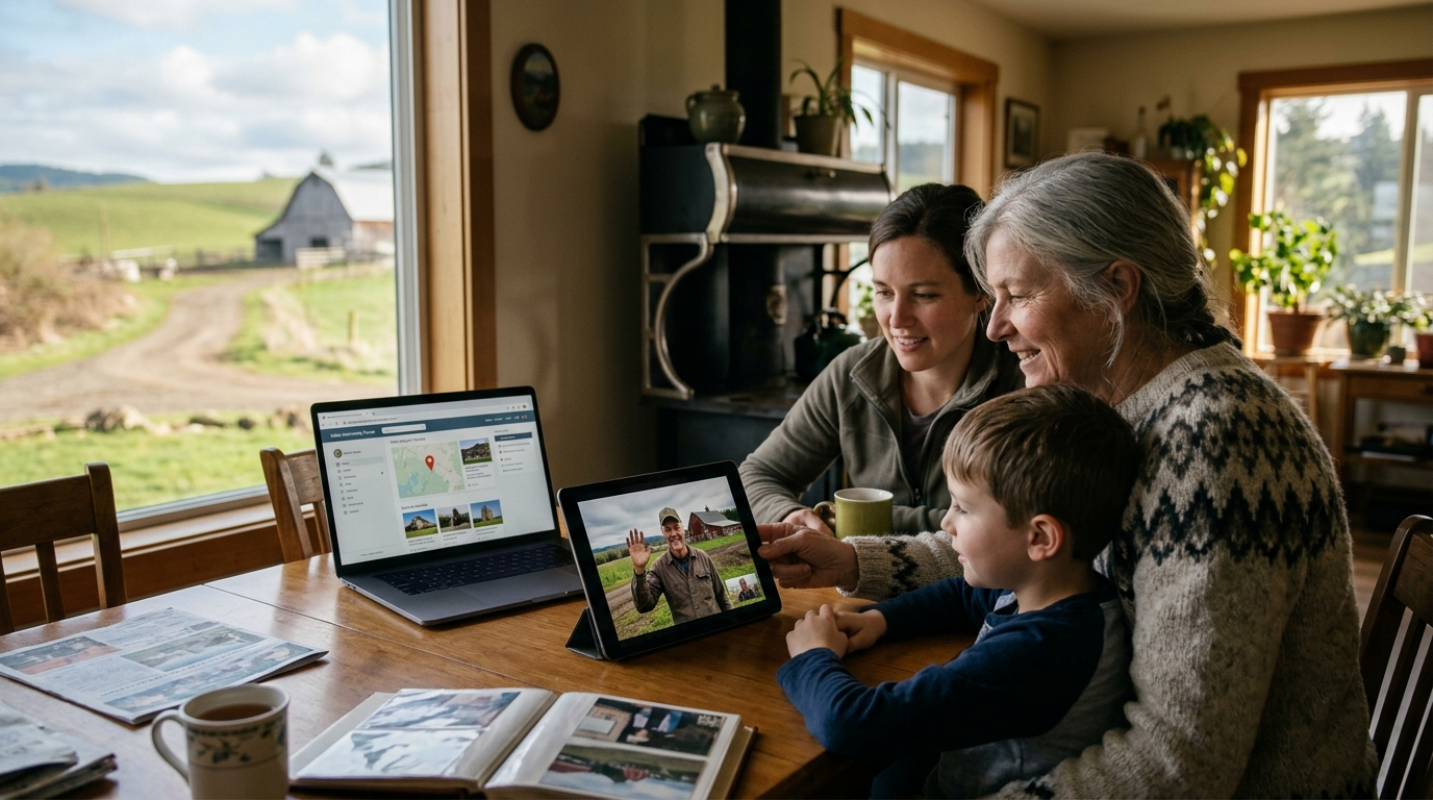
One of the most crucial roles rural artists play is that of historian and storyteller. As small family farms face increasing pressure from development and industrial agriculture, their unique histories are at risk of being lost. Artists are stepping in to document these stories through photography, painting, oral history projects, and filmmaking. They capture the weathered hands of a multi-generational farmer, the fading paint on a heritage barn, or the intricate details of heirloom seed varieties. This work transforms the abstract concept of "saving the family farm" into a compelling, human-centered narrative that resonates with a broader audience.
These documentary projects do more than just create a historical record; they generate a sense of pride and validation within the farming community itself. When farmers see their daily, often grueling, labor portrayed with the dignity and respect of fine art, it reinforces the value of their work. Exhibitions, books, and films based on these projects can bring regional and even national attention to the challenges facing rural America. This visibility can galvanize support for local food initiatives, land preservation efforts, and policies that favor small-scale agriculture, ensuring the stories captured by the artists do not become relics of a bygone era.
Creating New Revenue Streams for Farms
Artists are using their creativity to help farms diversify their income streams, a critical factor for financial stability in a volatile industry. This collaboration often takes the form of agritourism initiatives where art is a central attraction. For instance, a farm might host a "sculpture on the farm" trail, inviting visitors to wander through fields and forests while viewing installations made from natural or recycled farm materials. Others partner with artists to host workshops on their property, such as plein air painting classes in a wildflower meadow or pottery sessions using clay dug from the farm's own soil.
These initiatives create a symbiotic relationship. The farm gains a new revenue source from ticket sales or workshop fees and attracts a new demographic of visitors who might not otherwise seek out an agricultural experience. The artist, in turn, gains a unique venue to display and sell their work, as well as inspiration from the surrounding landscape. This model turns the farm into a dynamic cultural destination, not just a place of production. It helps farmers monetize their most valuable, non-extractive asset: the beauty and authenticity of their land.
Building Community Through Creative Events
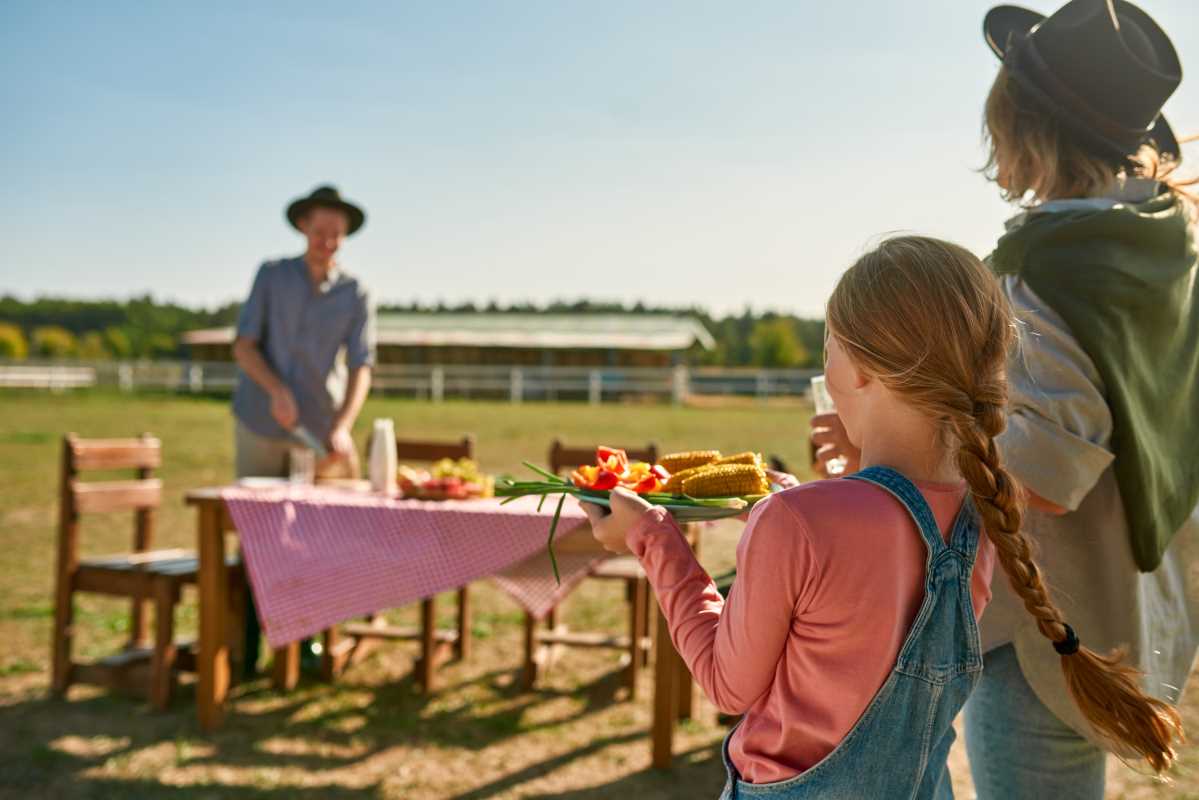
Art has a unique power to bring people together, and rural artists are harnessing this to strengthen the social fabric of farming communities. They organize events that bridge the gap between farmers and their non-farming neighbors, fostering a deeper understanding and appreciation for local agriculture. A great example is the "art and agriculture" tour, where a community can visit a series of farms and artists' studios over a weekend, seeing firsthand how the landscape inspires the local creative economy. Another popular initiative is the farm-to-table dinner featuring artist-made plates and décor, turning the meal into a holistic celebration of local creation.
These events combat the isolation that both farmers and rural artists can sometimes feel. They create a festive, low-pressure environment where conversations can flow freely between people who might not otherwise interact. A farmer might explain the challenges of a drought to a potter, while the potter shares insights on marketing handcrafted goods. These shared experiences build empathy and create a more cohesive community that is better equipped to support its members. The arts become the catalyst for a stronger, more interconnected local network that values both its food producers and its cultural creators.
Advocating for Land and Environmental Issues
Many rural artists are passionate environmentalists, and their work often becomes a powerful form of advocacy for sustainable farming and land conservation. Through large-scale land art, photography exhibits, or public murals, they can draw attention to critical issues like soil erosion, water rights, or the loss of biodiversity in a way that data charts and scientific reports cannot. An artist might create a sculpture from plastic waste found in a river to highlight pollution or use natural pigments from native plants to celebrate the importance of preserving local ecosystems.
This form of creative activism makes abstract environmental threats tangible and emotionally resonant. A powerful image can spark public dialogue and inspire community action far more effectively than a pamphlet. Artists often partner directly with conservation trusts and sustainable farming organizations to create campaigns that raise awareness and funds for their causes. By translating the ecological concerns of farmers into a universal visual language, these artists act as crucial allies in the fight to protect the rural landscapes that sustain both agriculture and creative inspiration.
Reimagining Rural Identity and Aesthetics
Finally, rural artists are helping to challenge outdated stereotypes about what it means to live in the country. They are pushing back against the narrative of rural decline and instead presenting a vision of these communities as vibrant, innovative, and culturally rich places. This is often reflected in public art projects that revitalize a town's main street or in the design of modern, beautifully crafted farm stands and product labels that elevate the aesthetic of local goods. They are showing that "rural" is not synonymous with "unsophisticated."
By infusing contemporary design and art into the agricultural landscape, these artists are helping to build a new identity for their communities, one that honors tradition while embracing the future. This can be a powerful tool for attracting younger generations to both farming and rural living. When a town celebrates its creative culture alongside its agricultural roots, it sends a message that it is a place of opportunity and growth. This reimagined identity fosters a sense of optimism and pride, encouraging residents to invest in their community's future and ensuring that the farming way of life continues to evolve and thrive.