 (Image via
There is a certain kind of magic that happens when you gather people outdoors. Walls disappear, formalities drop, and the open sky seems to invite a more relaxed and genuine kind of interaction. Open-air events, from neighborhood block parties and park concerts to outdoor movie nights and riverside markets, are powerful tools for weaving the social fabric of a community. They pull us away from our screens and into shared public spaces, reminding us that we are part of something larger than our own four walls.
Planning an outdoor event, however, is more than just setting up a few folding tables and hoping for good weather. To create an event that truly encourages local connection, you need to be intentional. The goal isn't just to entertain a crowd but to create a temporary village where neighbors can meet, strangers can chat, and a shared sense of place can take root. It is about designing an experience that feels less like a ticketed performance and more like a collective celebration.
But where do you begin? Between navigating permits, planning for rain, and figuring out where everyone will park, the logistics can feel overwhelming. If you are ready to bring your community together under the sun or stars, here is a guide to planning an open-air event that fosters connection.
Grounding Your Event In A Purpose And Place
Before you book a food truck or design a flyer, the first step is to answer two fundamental questions: "Why are we gathering?" and "Where should we gather?" The "why" is your event's purpose, its soul. A clear purpose acts as your North Star, guiding all your subsequent decisions. Are you trying to celebrate a local historical milestone, showcase local artists, activate an underused park, or simply give neighbors a reason to hang out on a summer evening? A generic "community festival" is far less compelling than a "Founders' Day Picnic" or a "Riverfront Music Showcase." A strong theme gives people a reason to care and a story to tell.
The "where" is just as important. The location of your event is not just a backdrop; it is a key participant. The right place can do half the work of creating a welcoming atmosphere. Look for public spaces that are accessible, visible, and perhaps a little neglected. Transforming a forgotten town square or a scruffy park demonstrates a commitment to the community and creates a sense of discovery. Consider the natural features of a site. A location with a gentle slope is perfect for watching a performance, while a spot with large shade trees is ideal for a daytime market. Always ensure you have permission to use the space, which often means navigating the wonderful world of municipal permits.
Designing The Space For Mingling Not Just Watching
The physical layout of your event has a profound impact on how people interact. The typical setup for an outdoor concert, a big stage at one end and rows of people facing it, is great for watching a performance but terrible for encouraging connection. To get people to talk to each other, you need to design a space that encourages movement and spontaneous encounters. Think less like a theater director and more like a town planner.
Create distinct "zones" or "neighborhoods" within your event space. You might have a "Food Truck Alley," a "Makers Market," a "Kids' Corner" with simple games, and a "Chill Zone" with blankets and low seating away from the main hustle. This variety gives people reasons to wander and explore.
One of the most effective ways to foster connection is to break down the barrier between the performer and the audience. Instead of one massive stage, consider having multiple smaller performance spots. A solo guitarist under a tree or a poet on a soapbox creates a much more intimate experience. Most importantly, give people places to sit and talk. Arrange hay bales, picnic tables, or clusters of chairs in circles to facilitate conversation. An event designed for connection ensures that the spaces between the main attractions are just as engaging as the attractions themselves.
Weaving In The Local Flavor
An event that could happen in any town, USA, will not create a deep sense of local connection. To make your gathering feel uniquely "yours," you must intentionally weave in the flavors, sounds, and talents of your specific community. This is your chance to turn the spotlight away from generic entertainment and onto the incredible resources you have right in your own backyard. This authenticity is what makes an event memorable and fosters a sense of local pride.
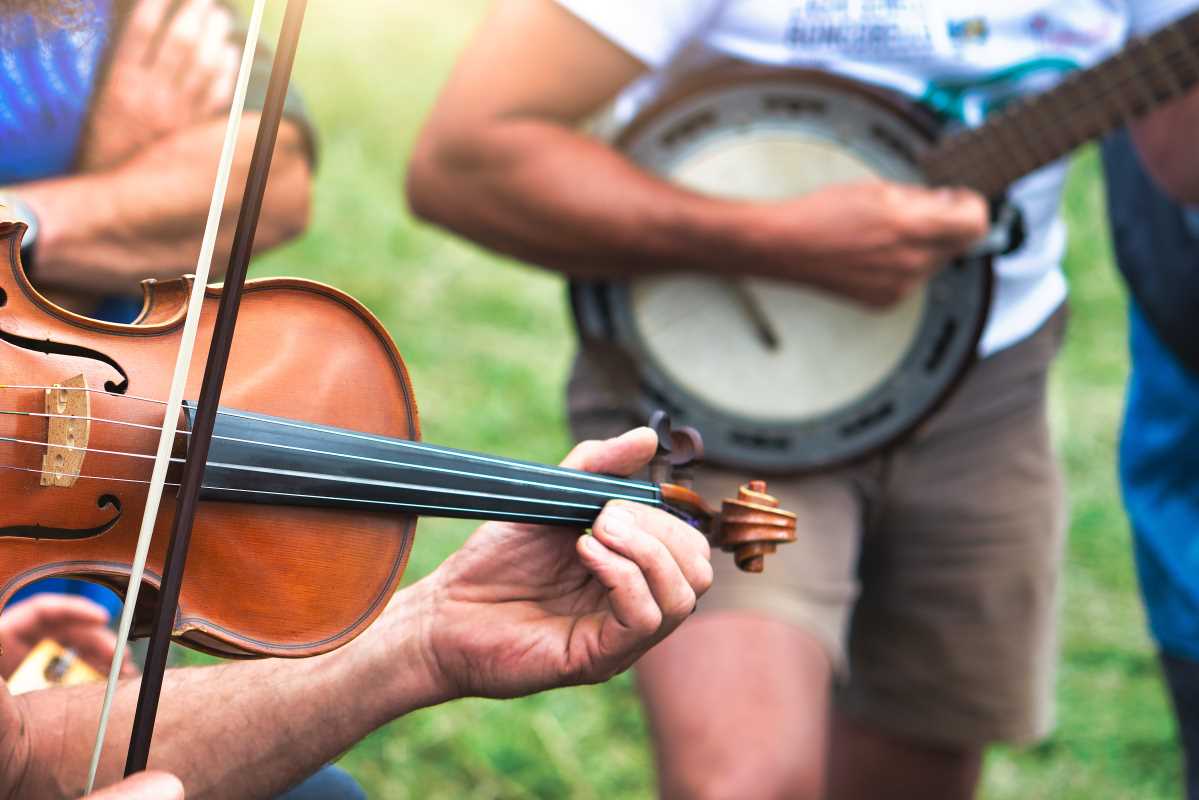
Think about all five senses when curating your event. Instead of a generic catering company, invite a diverse lineup of local food trucks or home-based cooks who represent the cultural makeup of your neighborhood. Instead of a Top 40 cover band, book local musicians who are writing original songs about your region.
Here are some ways to infuse your event with authentic local character:
- The Marketplace: Dedicate space for local farmers, artists, and craftspeople to sell their goods. This provides a direct economic benefit to the community.
- The Workshop Tent: Partner with local experts to offer short, hands-on workshops. This could be anything from a knot-tying class led by a local sailor to a pickling demonstration from a community garden member.
- The History Booth: Collaborate with your local historical society to create a simple, interactive display about the history of the event's location or the town itself.
- The Community Stage: Designate an "open mic" period where local residents can share a song, a poem, or a story.
When people see their neighbors, their favorite bakery, and their town’s history reflected in the event, their connection to it, and to each other, deepens immensely.
Preparing For People And The Planet
The success of an outdoor event hinges on attending to the basic human needs of your guests. A comfortable guest is a happy guest who will stay longer and be more open to connection. This means thinking through the less glamorous, but absolutely essential, details. Where will people go to the bathroom? Is there enough shade if it is hot, or a covered area if it rains? Is the site accessible for people with mobility challenges?
A solid plan for waste management is also crucial. An event that leaves a mountain of trash in its wake sends a message of disrespect to the very public space you are trying to celebrate. Make it easy for people to do the right thing. Set up clear, well-marked stations with bins for compost, recycling, and trash. Recruit a "Green Team" of volunteers to help guests sort their waste and to keep the site tidy throughout the event. Consider partnering with a local composting service or community garden to handle the organic waste.
Planning for the weather is the great gamble of any open-air event. Always have a contingency plan. This could mean having large tents on standby, a designated indoor rain location, or simply a clear communication plan for announcing a cancellation. Being prepared for these practicalities shows your guests that you value their comfort and safety, freeing them up to relax and enjoy the experience.
Building Momentum And Keeping The Fire Lit
A truly successful community event doesn't just end when the last vendor packs up. It leaves behind a positive echo, a renewed sense of connection that inspires people to get more involved in their community. Your job as an organizer extends beyond the day of the event to harnessing that energy and building on it for the future.
During the event, create opportunities for people to connect with ongoing community efforts. Have a "community hub" table where local non-profits, volunteer groups, and clubs can share information. Use a simple, low-tech method like a "Get Involved" bulletin board where people can post or find volunteer opportunities. Collect email addresses (with permission, of course) to build a list for future events and community news.
After the event, follow up. Send a thank-you email to all volunteers, vendors, and performers. Share photos and stories on social media to keep the good vibes going. Most importantly, start the conversation about "next time." A one-off event is a pleasant memory; a recurring event becomes a beloved tradition. It creates a rhythm in the life of a community, a predictable moment in the calendar when people know they will come together to celebrate their shared home. It is in this repetition that the deepest and most lasting connections are forged.