 (Image via
In our increasingly digital and often isolated lives, the power of a simple, real-world connection can feel revolutionary. The concept of "neighbors helping neighbors" is as old as communities themselves, yet it has never been more vital. It is the idea that the people living closest to us are our first line of support, a network of care that can withstand challenges big and small. From borrowing a cup of sugar to checking in during a storm, these small acts of reciprocity weave the fabric of a strong, resilient neighborhood. Building this culture of mutual aid doesn't require a grand plan, just a series of intentional, compassionate actions.
This guide is about rediscovering that power and putting it into practice. We will explore five practical ways you can help create a more connected and supportive environment right on your own street. These ideas move beyond a simple wave from the driveway, offering tangible steps to foster collaboration, share resources, and build genuine friendships. By harnessing the collective strength of your neighbors, you can help cultivate a community where everyone feels seen, valued, and supported.
Start with Simple, Consistent Communication
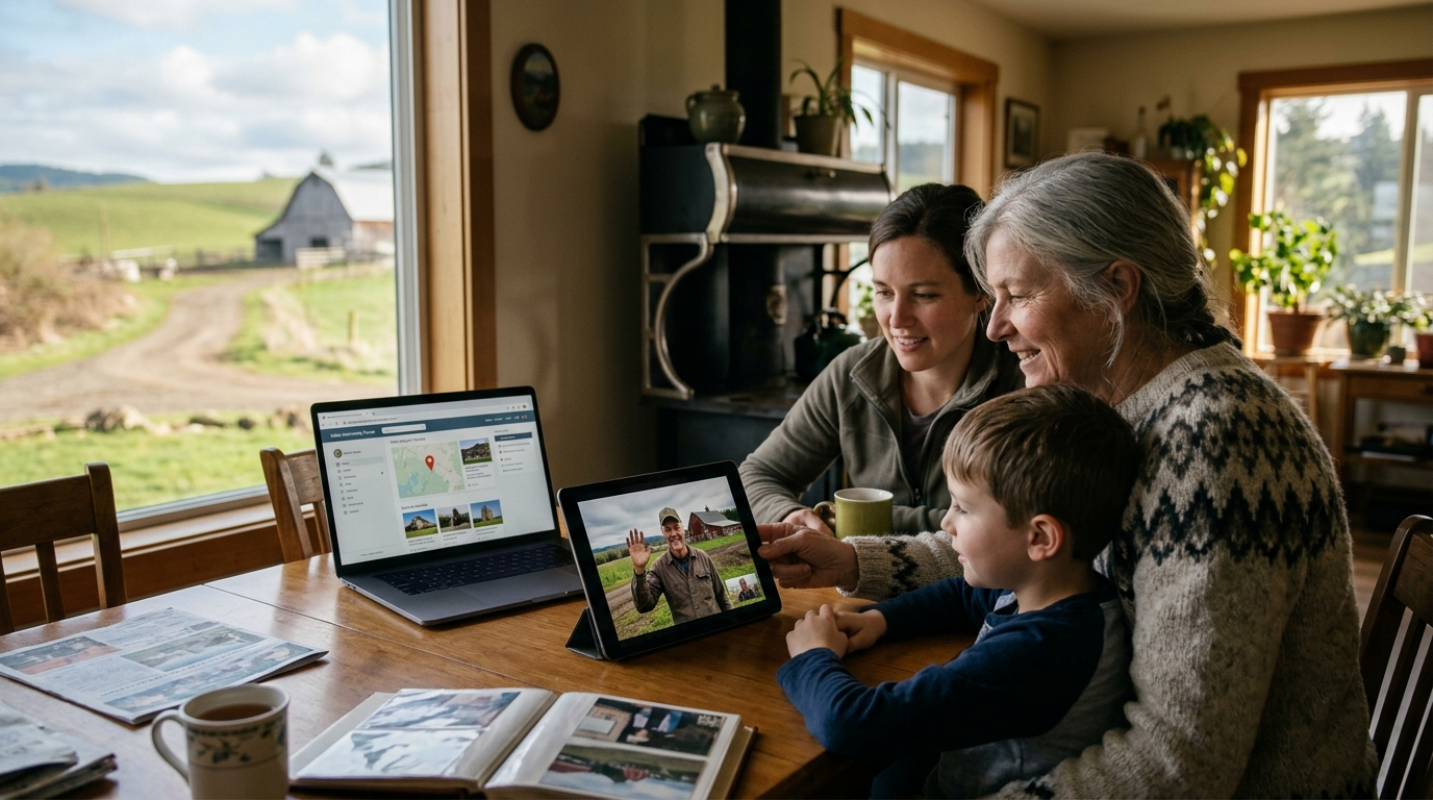
The foundation of any strong community is communication. A neighborhood where people know each other's names and feel comfortable reaching out is one where support can flow freely. One of the easiest ways to foster this is by creating a simple, low-pressure communication channel. This could be a private social media group, a group text thread, or even an old-fashioned email list. The key is to make it an inclusive and positive space. Use it to share helpful information like warnings about a fallen tree, recommendations for a local plumber, or a heads-up about a neighborhood block party.
Keeping communication consistent but not overwhelming is crucial. The goal is to build a habit of connection, not to spam everyone with constant updates. Encourage others to post and participate, making it a truly collaborative forum. A simple "Hello" to a new family that moves in, shared via the group, can make them feel instantly welcome. Over time, this digital channel will start to mirror real-life relationships, making it natural to ask for help or offer it when the need arises. It turns a collection of houses into a connected and informed community.
Organize a Skill and Resource Share
Every person in your neighborhood has unique skills, tools, and knowledge that could benefit others. One person might be an expert gardener, another might have a power washer they rarely use, and a third might be a wiz at setting up home tech. Organizing a skill and resource share formalizes this pool of talent and equipment. You can start by creating a simple, voluntary directory. Using a shared digital document or a dedicated channel in your neighborhood group, people can list skills they are willing to share or items they are happy to lend.
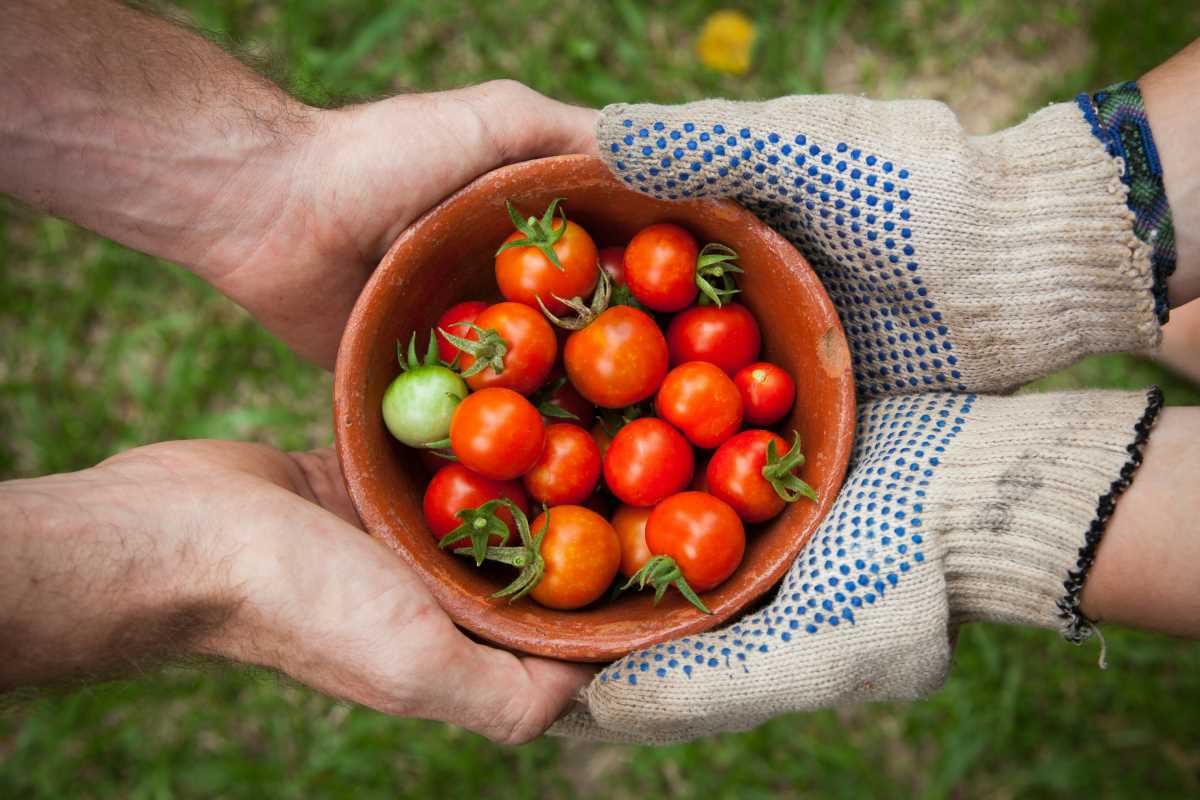
This practice is not about providing free professional services but about neighborly assistance. It might mean someone helps you figure out why your rose bushes are struggling, or you lend your ladder to the person next door. The benefits are immense; it reduces consumption by discouraging everyone from buying items they'll only use once, it saves money, and it builds powerful bonds through acts of service. It recognizes that everyone has something valuable to contribute, transforming your neighborhood into a collaborative and self-sufficient ecosystem where people rely on each other.
Establish a Mutual Aid Network for Emergencies
When a crisis hits, whether it’s a power outage, a severe storm, or a personal family emergency, the immediate response from neighbors can make all the difference. Establishing a mutual aid network formalizes this support system before it's needed. Start by identifying who in your neighborhood might be most vulnerable, such as elderly residents, families with infants, or individuals with mobility issues. Create a voluntary contact list and a simple "check-in" plan that can be activated during an emergency. This ensures no one is forgotten when the power goes out or roads become impassable.
This network can also function for non-urgent needs. For example, it can be used to organize meal trains for a family welcoming a new baby or dealing with an illness. The system can be as simple as a group chat dedicated to urgent requests, where people can ask for help picking up groceries or getting a ride to a doctor's appointment. By creating this structure ahead of time, you build a safety net of care and demonstrate a collective commitment to everyone's well-being. It transforms neighborly concern into effective, organized action.
Create Regular, Low-Key Social Gatherings
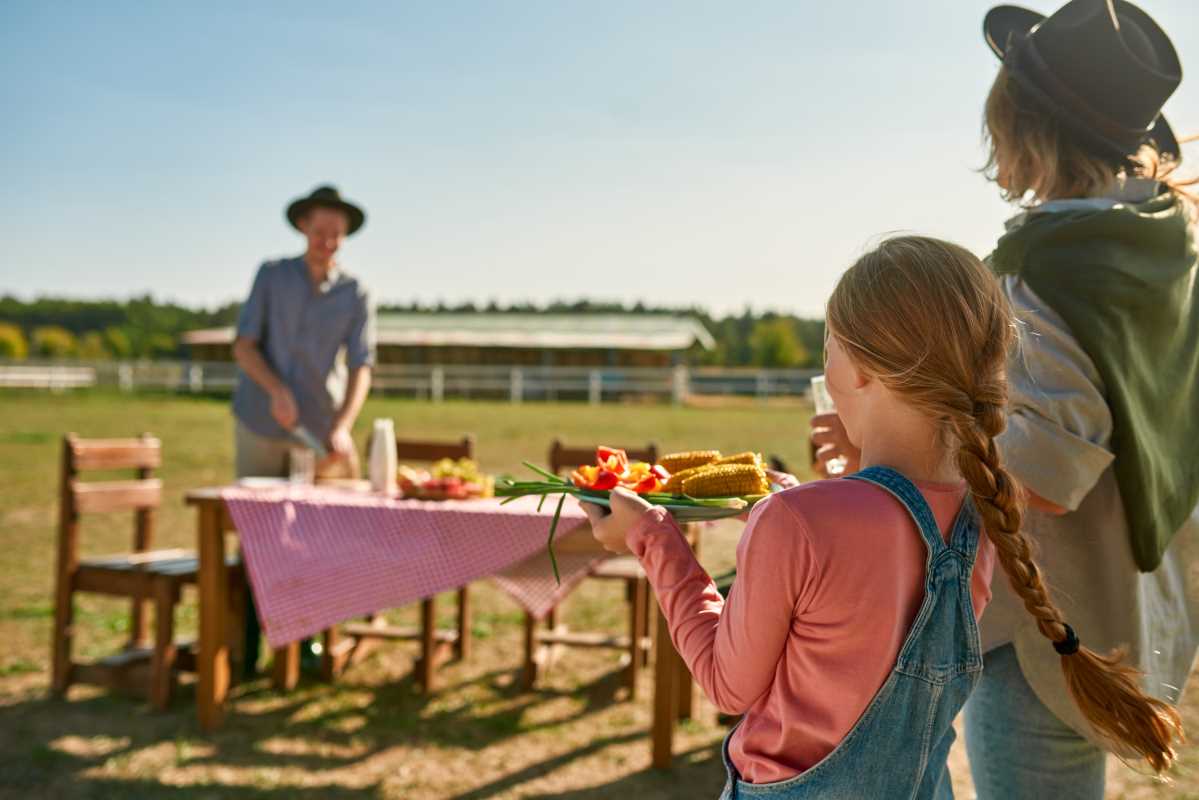
Strong relationships are built on shared experiences, and creating opportunities for neighbors to interact socially is essential. These gatherings don’t need to be elaborate or expensive. The most successful events are often the simplest ones. Consider organizing a monthly "driveway happy hour" where people can bring their own chairs and drinks to a designated spot. Or, plan a seasonal potluck in a local park where everyone contributes a dish. The goal is to create a regular, low-pressure rhythm for social connection.
These informal events provide a relaxed setting for people to chat and get to know one another beyond a quick wave. They are particularly effective at welcoming new residents and integrating them into the community fabric. You can also theme the gatherings around a shared activity, like a neighborhood-wide garage sale or a holiday decorating day. The consistency of these events is what matters most. They create a reliable space for connection, turning acquaintances into friends and laying the social groundwork for a community that genuinely cares for one another.
Initiate a Shared Community Project
Working together toward a common goal is one of the most powerful ways to build community spirit and solidarity. A shared project channels the collective energy of the neighborhood into creating something tangible that everyone can enjoy. The idea could be as simple as organizing a neighborhood cleanup day to beautify a common area or as ambitious as building a small community garden on a vacant patch of land. Start by polling your neighbors to see what ideas generate the most excitement and what skills people can contribute.
The process of planning and executing the project is just as important as the final result. It requires communication, collaboration, and compromise, all of which strengthen communal bonds. When neighbors spend a Saturday planting flowers, painting a mural, or building a little free library together, they are also building trust and shared memories. The finished project becomes a lasting symbol of what the community can accomplish when it works together. It fosters a sense of collective ownership and pride that is the very essence of a thriving neighborhood.