In an age of curated dinner parties and restaurant reservations made weeks in advance, the humble potluck often gets overlooked. It suffers from a bit of an image problem, evoking memories of mystery casseroles in Pyrex dishes and lukewarm potato salad. But beneath that slightly chaotic surface lies one of the most powerful tools for community building and cultural preservation we have. A potluck is the culinary equivalent of a quilt; it stitches together disparate households, flavors, and histories into something warm, comforting, and greater than the sum of its parts.
When we invite neighbors to bring a dish that means something to them, we aren't just asking for food; we are asking for stories. We are creating a space where a grandmother’s recipe for empanadas sits next to a newcomer’s attempt at sourdough bread. These gatherings keep traditions alive not by freezing them in a museum, but by eating them, sharing them, and celebrating them in the noisy, messy, joyful present. If you are ready to revive this timeless tradition in your own neighborhood, here is where to begin planning a potluck that feeds both the stomach and the soul.
Defining The Theme And The "Why" Behind The Gathering
The difference between a disjointed buffet and a memorable feast often comes down to intention. While an "anything goes" potluck has its charm, setting a theme, even a loose one, can elevate the event from a simple meal to a cultural exchange. This doesn't mean you need to demand everyone cooks from the same cookbook. Instead, think of the theme as a conversation starter. It gives your guests a creative prompt that encourages them to dig a little deeper into their own culinary heritage.
Start by asking yourself what you want this gathering to achieve. Are you trying to welcome new immigrants to the neighborhood? Are you celebrating the harvest of a local community garden? Or are you simply trying to get the people on your street to actually learn each other's names? Your "why" will dictate your theme.
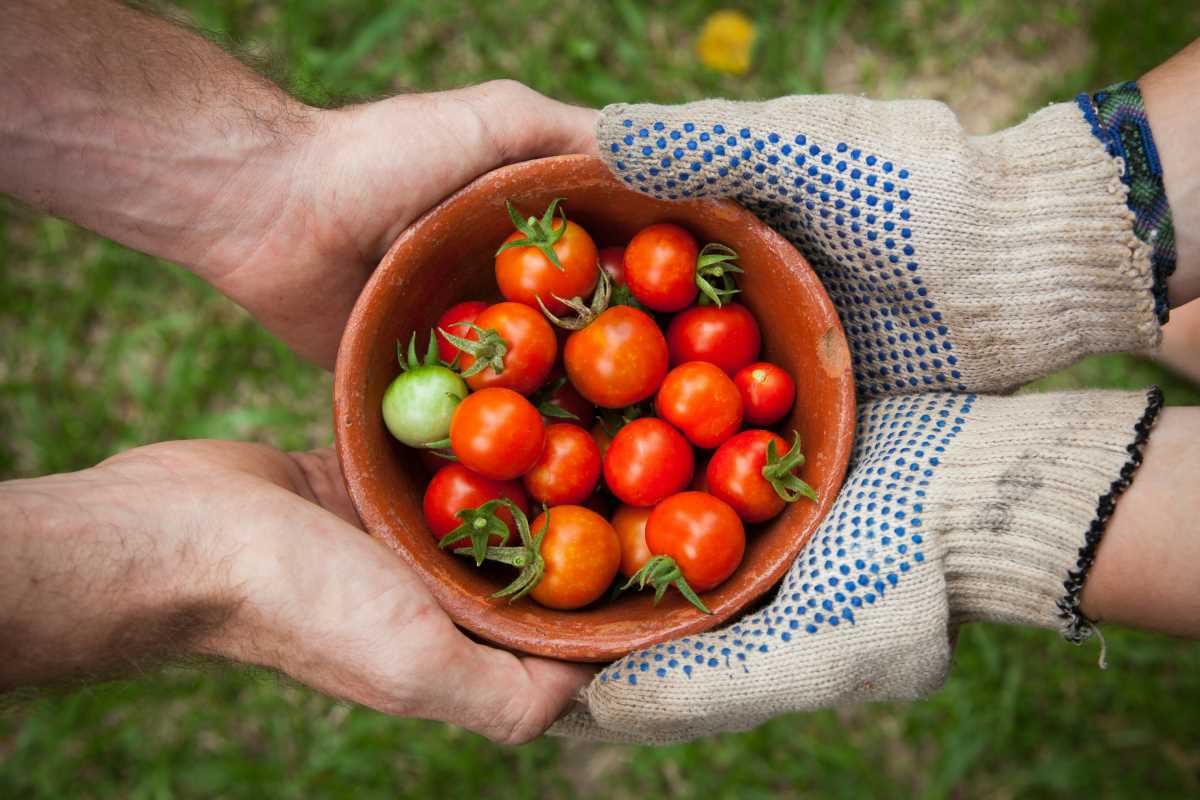
If the goal is preserving tradition, consider themes like "Family Heirlooms," where guests bring a dish passed down through generations, or "Comfort Foods of Childhood," which invariably sparks nostalgic conversations. A "Local Harvest" theme challenges cooks to use ingredients grown within a specific radius, celebrating the region's agricultural roots. By giving your potluck a narrative anchor, you transform the food from mere sustenance into a collection of edible stories. It signals to your guests that their contributions matter, not just as calories, but as cultural artifacts worthy of being shared and savored.
Curating The Guest List And Sending The Invitation
There is an art to the potluck invite. It needs to be welcoming enough to encourage participation but specific enough to avoid the dreaded "Oops, All Chips" scenario. When building your guest list, aim for diversity. The magic of a community potluck lies in the cross-pollination of cultures and generations. Invite the young couple who just moved in, the elderly widower down the street, and the family with the noisy toddlers. A mix of ages and backgrounds ensures a richer spread of food and a more dynamic energy in the room.
The invitation itself sets the tone. In a digital world, a physical flyer in a mailbox or a handwritten note carries a weight that a Facebook event simply cannot match. It says, "I took time for this, and I hope you will too." Be clear about the logistics, but focus on the spirit of the event. Explicitly state that the goal is to share traditions and connect.
Crucially, the invitation is your first opportunity to manage the menu without micromanaging the cooks. Ask guests to RSVP with what category of dish they plan to bring (Main, Side, Salad, Dessert). This allows you, the organizer, to spot gaps early. If you see ten desserts and no vegetables, you can gently nudge the late responders toward a salad. It is also the perfect place to address dietary restrictions. Create a culture of inclusivity from the start by asking guests to label their dishes with ingredients, ensuring that everyone can eat safely and without anxiety.
Setting The Stage For Connection And Comfort
Hosting a potluck requires a different mindset than hosting a dinner party. You are not the star chef; you are the stage manager. Your job is to create an environment where the food shines and the guests feel comfortable enough to linger. This starts with the physical space. You don't need a mansion or a perfectly manicured lawn. You just need flow.
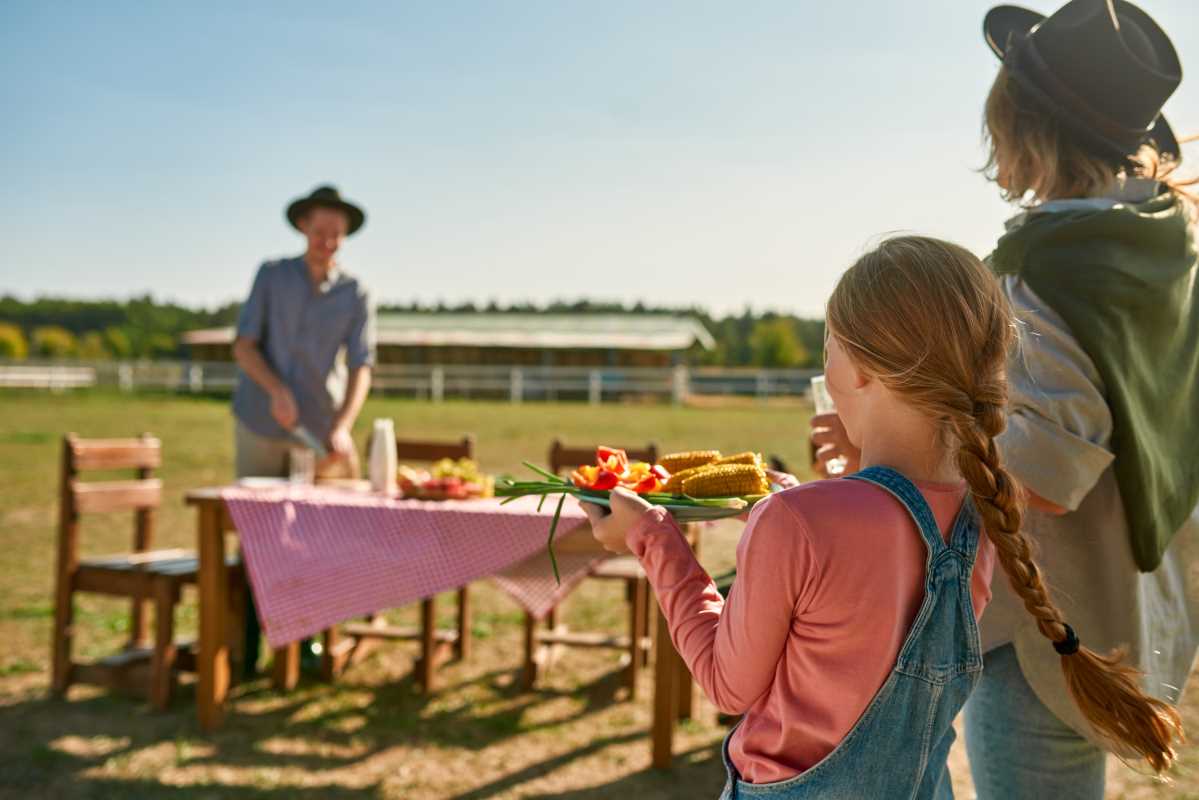
Think about the journey of a guest with a full plate. Is there a bottleneck at the buffet table? Is there a place to set down a drink? Arrange the food table so it is accessible from both sides if possible, or create distinct stations for drinks, savory foods, and desserts to prevent congestion. This encourages movement and mingling. If you are short on seating, don't panic. Borrow folding chairs from neighbors, spread blankets on the grass for a picnic vibe, or embrace the "standing and chatting" dynamic with plenty of high surfaces for resting plates.
The "stage" also includes the necessary infrastructure for a zero-waste or low-waste event. If you want to honor the tradition of stewardship, avoid disposable plastics. Ask guests to bring their own reusable plate and fork, a "kit" that was standard practice at old-school church socials. Alternatively, raid local thrift stores for an eclectic mix of real plates and silverware. It adds character to the table and keeps bags of trash out of the landfill.
Here is a checklist of logistical items that often get forgotten but can save the day:
- Extension Cords: For the inevitable slow cooker that needs to stay warm.
- Serving Spoons: Guests always forget these; have a backup stash ready.
- Label Cards and Markers: Essential for identifying dishes and allergens.
- To-Go Containers: Encourage guests to bring their own, or provide some, to ensure no food goes to waste.
- A "Trash and Treasure" Station: Clearly marked bins for compost, recycling, and trash.
Facilitating The Storytelling Aspect Of The Meal
The food is on the table, the drinks are poured, and the buzz of conversation has started. Now comes the most critical part of keeping traditions alive: the storytelling. Food without context is just nutrients. To truly honor the "potluck" concept, you need to facilitate a moment where the dishes are introduced. This doesn't have to be a formal speech from every guest, which can let the food get cold and the mood get stiff.
Instead, try a more organic approach. Use the label cards you provided earlier not just for ingredients, but for history. Ask guests to write the name of the dish and a brief note, like "Grandma’s Sunday Roast" or "The Soup We Eat When We’re Sick." These little placards act as museum labels, inviting curiosity.
If the group is small enough, take five minutes before everyone digs in to go around the circle. Ask everyone to say their name and one sentence about what they brought. You will be amazed at what surfaces: a recipe survived a war, a dish that was a happy accident, or a pie made with berries picked that morning. This brief ritual transforms the act of eating into an act of listening. It honors the effort each cook put in and validates their personal history. For larger groups, you can designate a "Story Corner" or simply encourage guests to ask, "What did you bring and what’s the story behind it?" as they mingle.
Creating A Legacy That Lasts Beyond Dessert
The best potlucks don't end when the last brownie is eaten; they spark a desire for repetition. If the evening was a success, if people felt fed and seen, capitalize on that energy to turn a one-off event into a recurring tradition. Continuity is the secret ingredient to building deep community bonds. It moves relationships from polite acquaintanceship to genuine friendship.
Before people leave, float the idea of the next gathering. It doesn't have to be you hosting every time. The beauty of the potluck model is that it is decentralized. Rotate the hosting duties among different neighbors. Maybe the next one is a "Soup Swap" in the winter or a "Backyard BBQ" in the summer. Establishing a rhythm, say, the first Sunday of every season, gives people something to look forward to.
To truly preserve the traditions shared, consider documenting the feast. With permission, take photos of the spread and the people. Even better, start a neighborhood cookbook. It can be a simple shared Google Doc or a physical binder passed from host to host. Ask guests to submit the recipes for the dishes that were hits. Over time, this collection becomes a historical document of your specific community, a snapshot of who lived there, where they came from, and how they cared for each other through food. It becomes a tangible legacy that proves that in a fast-paced, often disconnected world, you took the time to slow down, break bread, and keep the fire of tradition burning bright.