 (Image via
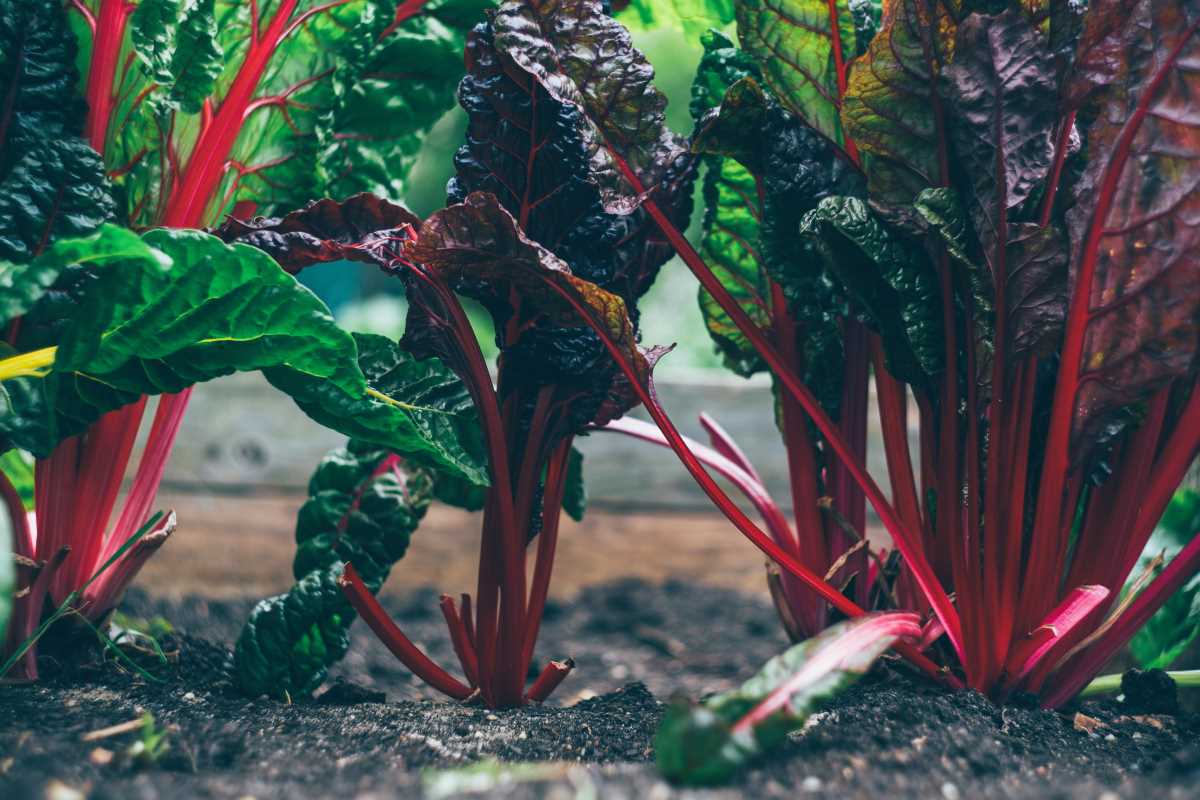
We tend to think of the ground beneath our feet as just, well, dirt. It is the stuff that tracks into the kitchen on muddy boots or the annoying layer of dust on a windowsill. But if you zoom in, past the pebbles and the roots, what you find is not inert matter, but a bustling metropolis. A single teaspoon of healthy soil contains more microorganisms than there are people on Earth. This underground universe of bacteria, fungi, nematodes, and earthworms is the engine room of our entire food system. When that engine sputters, crops fail, and dust bowls happen. When it purrs, plants thrive, and fertility lasts for generations.
For decades, the standard agricultural playbook treated soil like a chemistry set: pour in nitrogen, phosphorus, and potassium, and extract a harvest. It worked, for a while. But treating a living ecosystem like a math equation has consequences. Organic matter vanished, erosion accelerated, and the natural fertility of the land began to tank. Today, a quiet revolution is happening in fields and gardens everywhere. Growers are realizing that long-term fertility isn't bought in a bag; it is built, season by season, by stewarding the life in the soil.
If you are ready to stop feeding the plant and start feeding the soil, you need to think less like a chemist and more like a biologist. Building soil health is a long game, but the payoff is a resilient, productive patch of earth that can weather droughts, resist pests, and grow nutrient-dense food with less fuss. Here are five practices that will help you build a foundation of fertility that lasts.
Ditch The Tiller And Embrace Minimal Disturbance
For centuries, the plow was the ultimate symbol of farming. Turning over the earth was seen as the first, essential step of the season. It buried weeds, aerated the soil, and created that fluffy, chocolate-cake texture that looks so good in photos. But looking good and being healthy are two very different things. We now know that aggressive tilling is essentially a natural disaster for the soil ecosystem. It shreds the fungal networks that transport nutrients, exposes buried organic matter to oxygen (causing it to burn off as carbon dioxide), and destroys the soil structure that holds water.
Imagine if someone came into your house, took the roof off, and put the furniture in a blender every spring. You probably wouldn't get much work done. The same applies to soil microbes. Minimizing disturbance allows these microscopic workers to build stable homes. Over time, they create soil aggregates, little clumps of soil particles glued together, that act like a sponge, absorbing water during heavy rains and holding onto it during droughts.
Switching to no-till or low-till methods requires a shift in mindset. Instead of churning the soil, you might use a broadfork to gently aerate it without flipping the layers. You might use a drill to plant seeds directly into the residue of the previous crop. It takes patience, as the soil structure needs time to repair itself, but the result is a living soil that does the hard work of aeration for you.
Keep The Soil Covered With Armor
Nature abhors a vacuum, and it absolutely hates bare soil. If you leave a patch of dirt exposed, nature will try to cover it immediately, usually with plants we call weeds. Bare soil is vulnerable soil. It bakes in the sun, killing off beneficial biology near the surface. It gets pounded by rain, leading to compaction and erosion. It freezes deeper and harder in the winter. To build fertility, you need to keep the soil armored at all times.
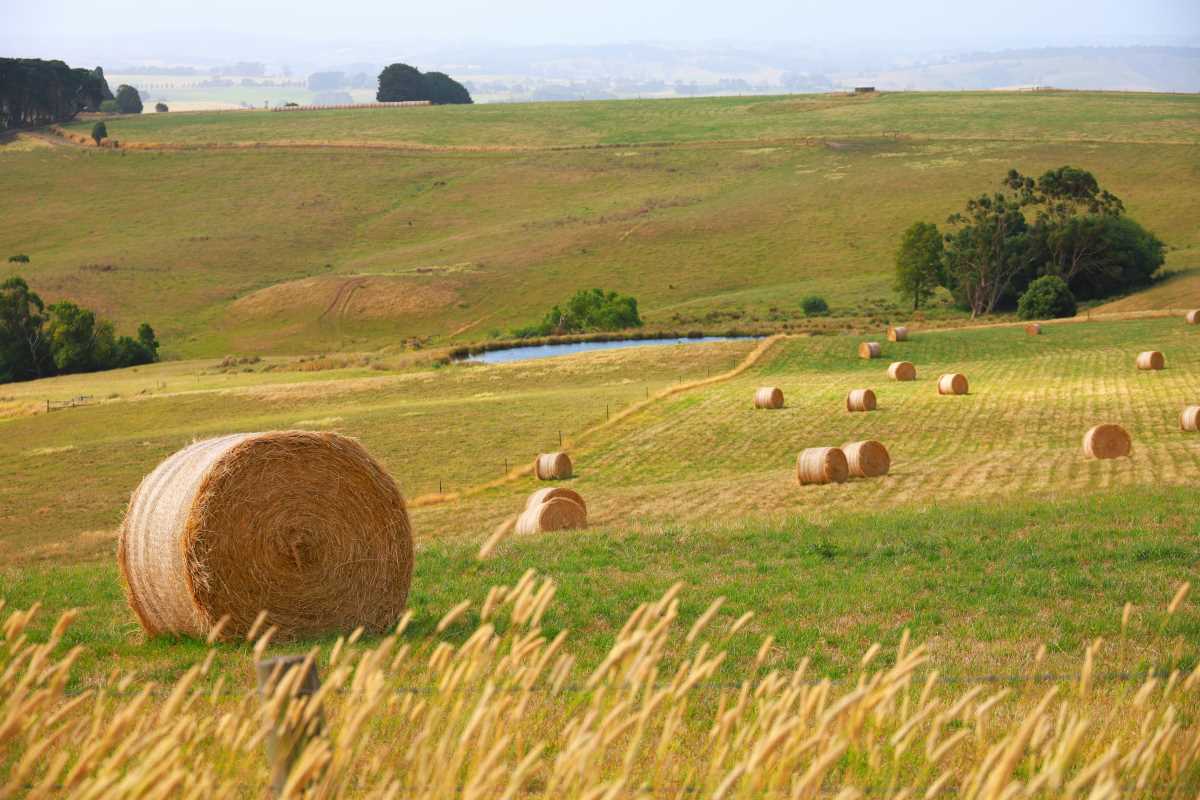
The concept is simple: never let the soil see the sun. In a garden setting, this usually means heavy mulching. Straw, wood chips, shredded leaves, or even cardboard can serve as a protective blanket. This layer buffers temperature swings, retains moisture, and eventually breaks down to feed the soil. In a larger agricultural context, this practice often involves leaving crop residue on the field after harvest. Instead of clearing the corn stalks or wheat stubble, you leave them to rot in place.
This armor provides habitat for surface-dwelling predators like ground beetles and spiders, which help keep pest populations in check. It also creates a buffet for earthworms. As they come up to pull organic matter down into their burrows, they aerate the soil and leave behind nutrient-rich castings. It is a passive way to fertilize that requires zero heavy lifting on your part, just a commitment to keeping the ground clothed.
Keep Living Roots In The Ground Year Round
Photosynthesis is the original solar power, but it is also a sugar factory. Through this process, plants convert sunlight into carbon-based sugars. Surprisingly, they don't keep all that energy for themselves. They pump a significant portion of these sugars, sometimes up to 40%, out through their roots and into the soil. These "root exudates" are essentially cakes and cookies for soil microbes. The plant is bartering: it trades sugar to the bacteria and fungi in exchange for minerals and water that the microbes can extract from the soil.
This underground economy stops the moment a plant dies or is harvested. If a field sits empty from October to May, the soil microbes starve. To maintain high fertility, you want to keep that sugar flowing for as many days of the year as possible. This is where cover crops come in. Instead of leaving a garden or field fallow over the winter, you plant a "catch crop" like winter rye, hairy vetch, or clover.
These plants act as solar panels during the off-season, harvesting sunlight and pumping energy into the soil food web when cash crops aren't growing. Their roots keep the soil open and porous. Legumes, like clover or vetch, have the added superpower of fixing nitrogen from the atmosphere, effectively growing your own fertilizer for the spring. When spring arrives, you terminate the cover crop (by crimping, mowing, or tarping) and let its biomass feed the next generation of plants.
maximize Diversity Through Crop Rotation And Polycultures
Walk into a prairie or a forest, and you won't find acres of just one plant. Nature thrives on diversity. Yet, modern agriculture often relies on monocultures, planting the same crop in the same place year after year. This simplifies management, sure, but it invites problems. Pests that love that specific crop build up in the soil. Specific nutrients get depleted. The soil biology becomes specialized and less resilient.
To build long-term fertility, you need to mix it up. Different plants have different root structures and different chemical relationships with the soil. Taproots like tillage radishes punch deep holes to break up compaction. Fibrous roots like grasses hold surface soil together. Legumes add nitrogen, while heavy feeders like corn or tomatoes take it up. By rotating crops, you ensure that the soil is never taxed in the same way twice in a row.
But you can go further than just rotation over time; you can rotate in space through interplanting or polycultures. This mimics a natural ecosystem more closely.
Here are a few ways to introduce diversity into your planting plan:
- Companion Planting: Pairing plants that benefit each other, like basil with tomatoes or marigolds with squash.
- Multi-Species Cover Crops: Instead of just planting rye, plant a "cocktail" of rye, clover, radishes, and peas to stimulate a wider range of soil microbes.
- Strip Cropping: Alternating rows of different crops to confuse pests and create diverse root zones.
- Buffer Strips: Planting native wildflowers and grasses on the edges of fields to attract pollinators and beneficial insects.
The more diverse the plants above ground, the more diverse the community of microbes below ground. A diverse microbial community is a healthy immune system for your soil, capable of suppressing disease and cycling nutrients more efficiently.
Integrate Livestock For The Ultimate Nutrient Cycle
For most of agricultural history, animals and crops were inseparable. Cows, sheep, pigs, and chickens were the mobile fertility units of the farm. They ate the crop residues and weeds, and in return, they deposited manure, gold standard fertilizer, right where it was needed. In the last century, we separated the animals from the crops, creating two problems: feedlots drowning in manure and grain fields starving for nutrients.
Reintegrating livestock is one of the fastest ways to jumpstart soil health. It closes the nutrient loop. Grazing animals stimulate plant growth. When a cow takes a bite of grass, the plant responds by shedding some root mass to balance its energy. This shed root material becomes instant food for soil microbes. The physical action of hooves (in moderation) presses seeds into the soil and breaks up capped surfaces.
You don't need a herd of cattle to practice this. In a garden, a "chicken tractor", a movable coop, can be used to clear a bed after harvest. The chickens scratch up the soil (light tillage), eat weed seeds and pests, and leave behind nitrogen-rich manure. On a larger scale, farmers are grazing cattle on cover crops, turning that biomass into meat while fertilizing the field for the next cash crop. It transforms waste into a resource and turns a static field into a dynamic, cycling ecosystem.
Building soil health isn't a quick fix. It is a biological process that takes time, observation, and a willingness to work with nature rather than trying to dominate it. But the result is a legacy of fertility that doesn't just sustain the next harvest, it improves the land for the next generation. By disturbing less, covering more, planting diversely, keeping roots living, and bringing back the animals, we can turn our soil from a depleting resource into a regenerative powerhouse.