 (Image via
There is a quiet, tireless workforce that keeps our world fed and blooming. It is not powered by fossil fuels or managed by complex algorithms. It is powered by nectar and pollen, and it buzzes, flits, and flutters from flower to flower. This workforce is made up of pollinators, bees, butterflies, moths, hummingbirds, and a host of other creatures, and they are responsible for the reproduction of over 85% of the world's flowering plants, including more than two-thirds of the world's crop species.
Unfortunately, this essential workforce is in trouble. Habitat loss, pesticide use, and climate change are putting immense pressure on pollinator populations worldwide. The good news is that you don’t need to be a large-scale farmer or a professional conservationist to be part of the solution. You just need a small patch of earth, a sunny balcony, or even a window box. By planting the right flowers, you can create a vital refueling station for these crucial creatures, turning your own backyard into a pocket-sized nature preserve.
Creating a pollinator-friendly garden is about more than just planting pretty flowers. It’s about providing a complete habitat: a reliable source of food from spring through fall, a safe place to rest, and a chemical-free environment. If you’re ready to roll out the welcome mat for bees and butterflies, here are some of the best pollinator-friendly flowers to get you started.
The Early Spring Bloomers That Kickstart The Season
When the first warm days of spring arrive, pollinators emerge from hibernation hungry and weak. For a queen bumblebee just starting a new colony or a butterfly that has overwintered as an adult, finding an early source of nectar can be a matter of life and death. Unfortunately, early spring is often a time of scarcity in many manicured landscapes. Planting early-blooming flowers is one of the most impactful things you can do to support pollinators.
Bulbs are the undisputed champions of the early season. Crocuses, snowdrops, and glory-of-the-snow often push their way up through late snow, providing a critical first meal. Their simple, open-cup shapes are easily accessible to a wide range of bees. Perennials like Lenten rose (Helleborus) and lungwort (Pulmonaria) also provide crucial early nectar and pollen before many other plants have even woken up.
Another fantastic choice for the early season are flowering trees and shrubs. A pussy willow, with its fuzzy catkins laden with yellow pollen, is a magnet for early native bees. Serviceberry trees, red maples, and fruit trees like apples and cherries offer a massive burst of blossoms that can support a huge number of pollinators at once. By planting these early bloomers, you are providing the fuel that pollinators need to build up their populations for the busy season ahead.
The Native Wildflowers That Speak The Local Language
While a honeybee might happily visit a wide range of flowers, many of our native pollinators have more specific tastes. Over thousands of years, native bees and butterflies have co-evolved with native plants, developing specialized relationships. Some bees can only feed their young with pollen from a single genus of plant. Planting native wildflowers is like speaking the local dialect; it ensures you are providing exactly what your local pollinators need to thrive.
Native plants are also perfectly adapted to your local climate and soil conditions, meaning they generally require less water, fertilizer, and fuss once established. They are the foundation of a healthy local food web. A great place to start is with coneflowers (Echinacea). Their large, sturdy landing pads are perfect for butterflies, while the prominent cones provide a rich source of pollen for bees. As the seeds mature, they also become a food source for birds like goldfinches.
Milkweed (Asclepias) is another essential native. It is the sole host plant for the monarch butterfly caterpillar. Without milkweed, monarch butterflies cannot complete their life cycle. Planting varieties like common milkweed, swamp milkweed, or butterfly weed is a direct investment in the future of this iconic species. Other powerhouse native wildflowers include:
- Blazing Star (Liatris): Its tall, fuzzy purple spikes are like a magnetic landing strip for butterflies.
- Joe Pye Weed (Eutrochium): This tall, late-summer bloomer produces massive flower heads that are mobbed by a dizzying array of pollinators.
- Wild Bergamot (Monarda fistulosa): A member of the mint family, its unique, tubular flowers are perfectly shaped for bees and hummingbirds.
You can find out which plants are native to your specific region by checking with your local extension office or native plant society.
The Long-Blooming Perennials That Provide A Steady Buffet
A single burst of bloom is great, but a garden that offers a continuous food supply from spring to fall is even better. Long-blooming perennials are the workhorses of the pollinator garden. They provide a reliable, season-long buffet that keeps bees and butterflies coming back day after day.
Catmint (Nepeta) is a top-tier choice for a long-blooming pollinator plant. Starting in late spring, it sends up clouds of small, lavender-blue flowers that are irresistible to honeybees and bumblebees. If you shear it back after its first flush of bloom, it will often re-bloom straight through to the first frost. It’s also drought-tolerant and deer-resistant, making it a low-maintenance superstar.
Another fantastic option is ornamental sage, particularly cultivars of Salvia nemorosa like 'Caradonna' or 'May Night.' Their deep purple flower spikes are a favorite of bumblebees and other long-tongued bees. Like catmint, they will re-bloom vigorously if deadheaded. Black-eyed Susans (Rudbeckia) provide a splash of golden-yellow from mid-summer into fall, offering both pollen and nectar to a wide variety of bees and butterflies. Planting a mix of these dependable perennials ensures there are no "nectar deserts" in your garden, providing a consistent food source throughout the growing season.
The Annuals That Offer An Instant Nectar Fix
While perennials form the backbone of a pollinator garden, annuals are a fantastic way to fill in the gaps and provide an instant, high-impact source of nectar. Because they complete their entire life cycle in one season, annuals tend to flower profusely, putting all their energy into producing as many blossoms as possible. They are perfect for containers, hanging baskets, or for tucking into bare spots in a young perennial bed.
Zinnias are perhaps the best annual for pollinators. They are easy to grow from seed, come in a rainbow of colors, and their flat, open flower heads are perfect for butterflies to land on. Choose single-petaled varieties over the frilly double-flowered types, as the nectar and pollen are much more accessible in the simpler forms. Cosmos is another easy-to-grow annual with daisy-like flowers that attract a variety of bees and hoverflies.
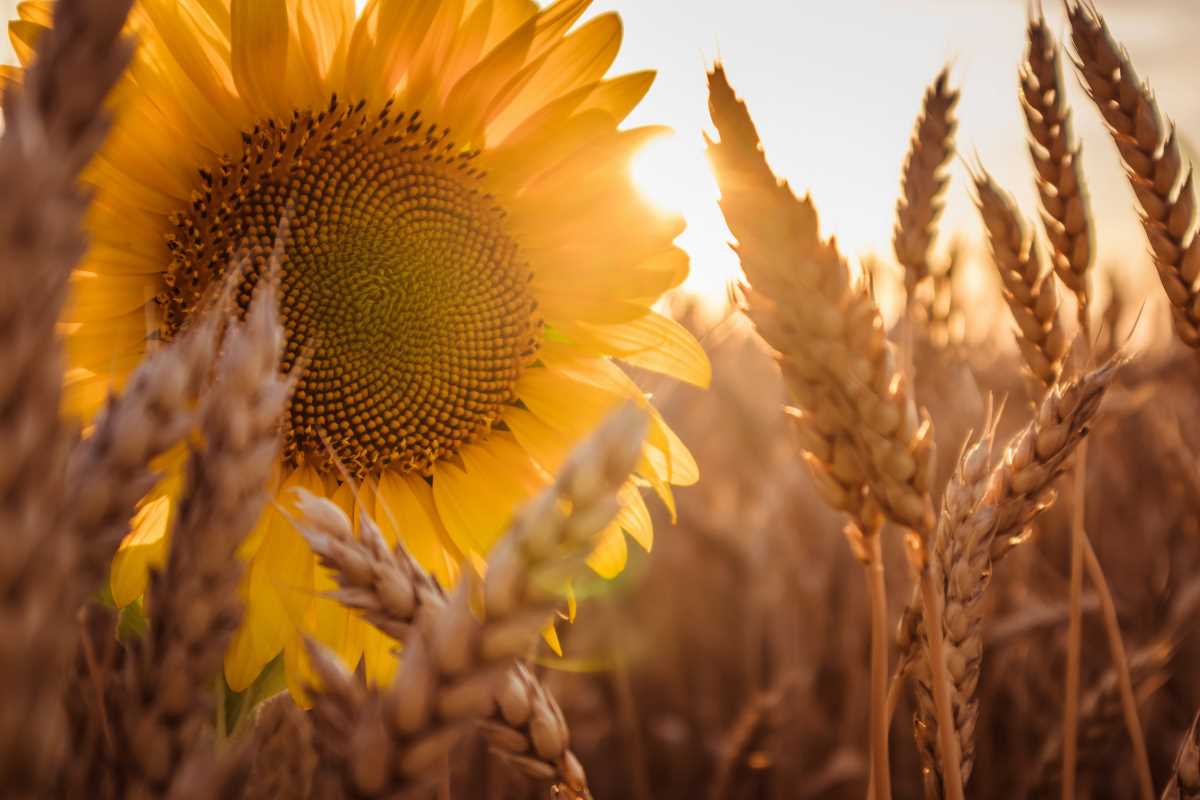
For a plant that does double duty, consider planting sunflowers. They provide a massive amount of pollen and nectar for bees while they are in bloom. Later in the season, their seed heads become a natural bird feeder for finches, chickadees, and cardinals. When choosing annuals, look for "heirloom" or open-pollinated varieties, as they often produce more nectar and pollen than highly hybridized modern cultivars.
The Aromatic Herbs That Feed Pollinators And People
Some of the best plants for pollinators are the ones you can eat. Many common culinary herbs produce flowers that are absolute magnets for bees. By allowing some of your herbs to flower, you can create a garden that feeds both your family and the local insect population. This is a perfect strategy for those with limited space, as every plant serves at least two purposes.
Herbs in the mint family are particularly attractive to pollinators. A flowering oregano or thyme plant will be absolutely buzzing with tiny native bees and honeybees. Borage is another must-have. This fuzzy-leafed herb produces beautiful, blue, star-shaped flowers that bees adore. The flowers are edible for humans, too, with a slight cucumber flavor that makes them a fun addition to salads or summer drinks. Borage is also known for being a "dynamic accumulator," meaning its deep roots pull nutrients up to the soil surface.
Letting your dill, fennel, and cilantro go to flower is another excellent strategy. The umbrella-shaped flower clusters of these herbs are particularly attractive to beneficial predatory insects like parasitic wasps and hoverflies, which help to control pests in your garden naturally. By planting a diverse herb garden, you are not only enhancing your cooking but also creating a rich, multi-functional habitat for a wide array of helpful insects.