 (Image via
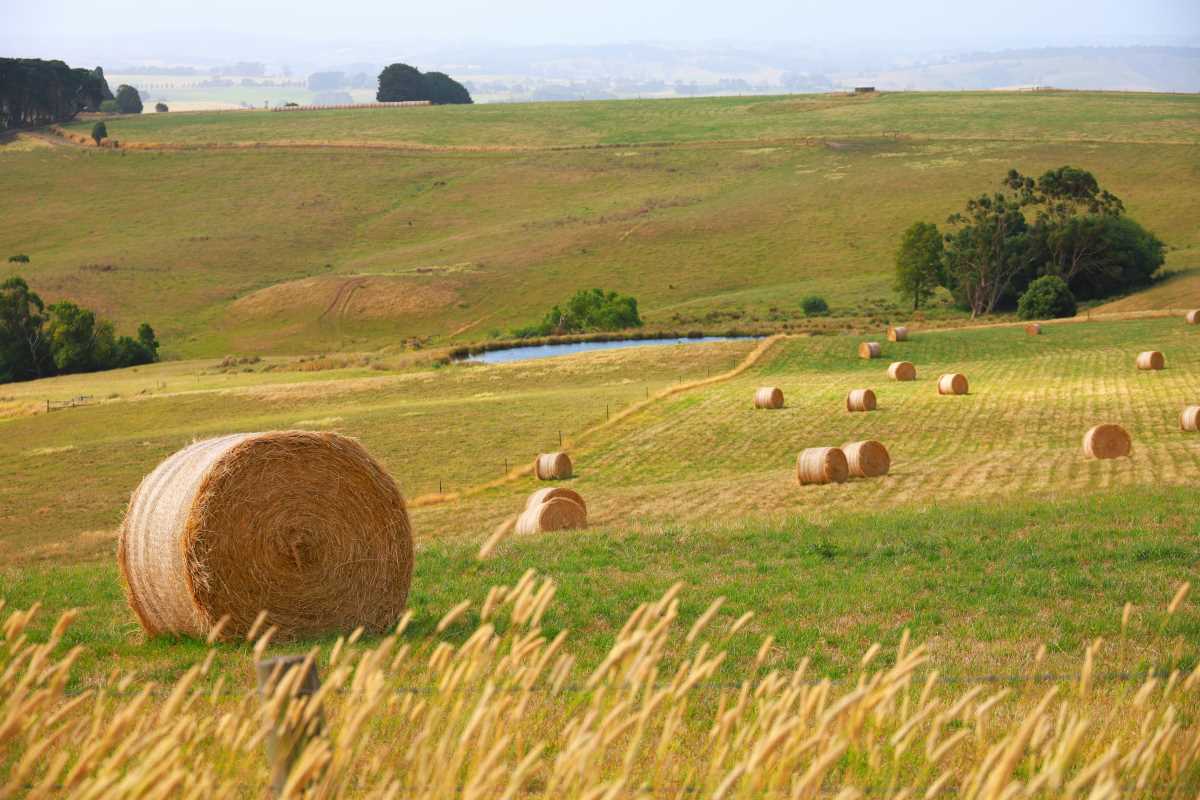
A pasture is often seen as a simple, static thing: a field of grass where animals go to eat. It’s the backdrop of a pastoral painting, a green carpet for livestock to wander upon. But this view misses the bigger picture. A pasture is not just a buffet; it is a dynamic, living ecosystem. It is a complex interplay of soil, microbes, plants, and animals. When managed poorly, it degrades, becoming a dusty or muddy lot that struggles to support life. When managed well, it becomes a regenerative powerhouse that builds soil, sequesters carbon, and produces healthy, thriving animals.
The shift from passive grazing to active pasture management is one of the most significant changes happening in sustainable agriculture today. It is a move away from simply using the land to actively partnering with it. Good management recognizes that the health of the animal is inseparable from the health of the pasture it stands on. By working with nature’s patterns, farmers can dramatically increase the productivity of their land while reducing their reliance on expensive inputs like feed and fertilizer.
This approach requires more than just opening a gate; it requires observation, planning, and a willingness to see the land as a collaborator. For farmers ready to transform their fields from mere holding pens into vibrant, productive ecosystems, here are five pasture management techniques that benefit both the livestock and the land.
The Power Of Rotational Grazing
If you let your livestock have access to the entire pasture all the time (a method called continuous grazing), they will do what any sensible creature does at a buffet: they’ll eat their favorite foods first and ignore the rest. They will repeatedly graze the tastiest, most tender grasses, never giving those plants a chance to recover, while the less palatable weeds grow tall and go to seed. Over time, the desirable plants are weakened and die out, leaving a field of weeds and bare soil.
Rotational grazing is the elegant solution to this problem. It involves dividing a large pasture into smaller paddocks with temporary fencing and moving the animals through them in a planned sequence. The livestock are concentrated in one small area for a short period, where they graze everything more or less evenly. Then, they are moved to the next paddock, leaving the previous one to rest and regrow.
This "graze and rest" cycle is a game-changer. The rest period allows the desirable grasses to recover their root systems, making them more resilient to drought and future grazing. The concentrated hoof action of the animals lightly tramples manure and organic matter into the soil, while the short duration prevents the over-compaction that happens with continuous grazing. It is a system that mimics the way wild herds of bison or wildebeest moved across grasslands, building deep, fertile soils over millennia.
The Strategy Of High Stock Density Grazing
High Stock Density Grazing, often called "mob grazing," takes the principles of rotational grazing and turns the dial up to eleven. Instead of just dividing a pasture, you put a large number of animals in a very small paddock for a very short period, sometimes just for a few hours. The idea is not just to feed the animals, but to use them as a tool to actively manage the landscape.
In a mob grazing scenario, the animals are packed together tightly enough that they eat, trample, and manure everything in their path. They are less selective because of the competition. They trample a significant portion of the forage onto the ground, creating a thick mat of organic matter that acts as "soil armor." This armor protects the soil from the sun, feeds the microbial life, and dramatically improves water infiltration. The massive dose of manure and urine they leave behind is an instant fertility boost.
This technique is particularly effective for restoring degraded land or managing tall, overgrown pastures. While it requires more frequent moves and careful management to avoid overgrazing, the results can be transformative. It is a powerful way to accelerate the soil-building process, turning a weedy, unproductive field into a diverse, thriving pasture in just a few seasons.
Integrating Multiple Species For A Cleaner Pasture
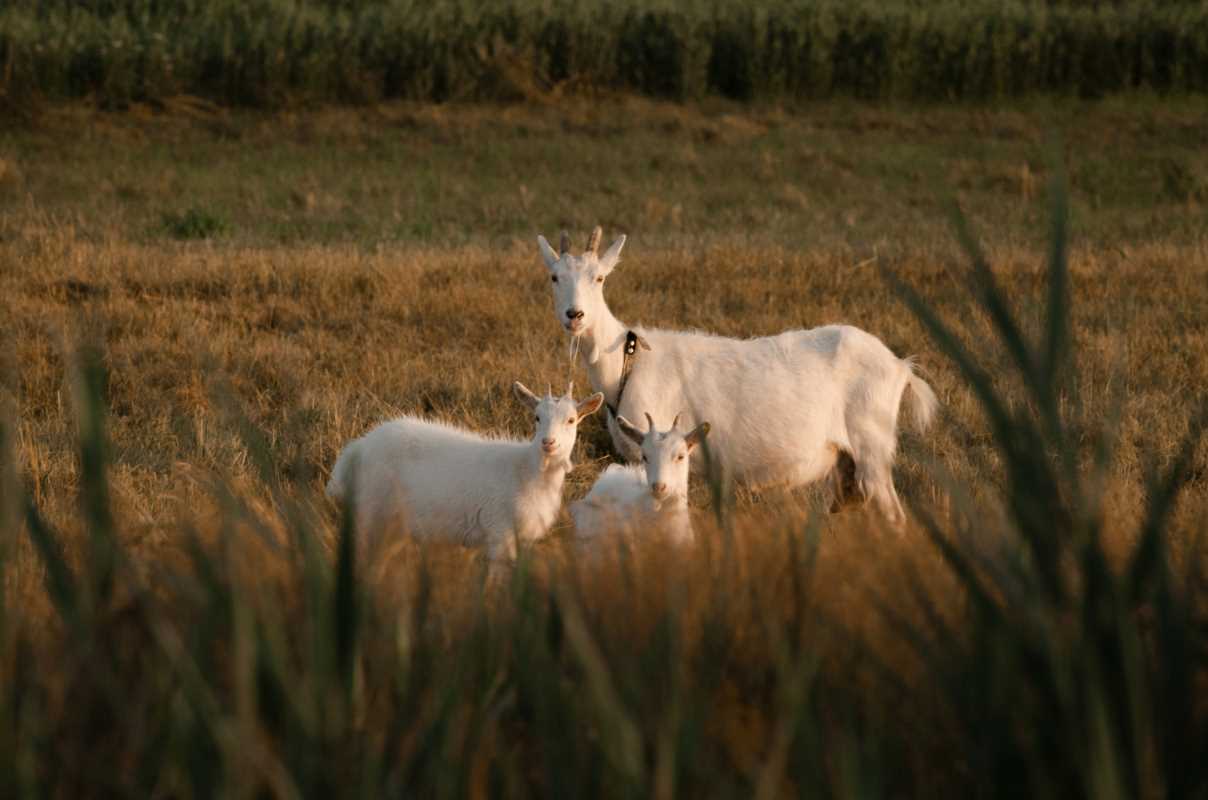
In nature, you rarely find just one species of animal grazing an area. Different animals have different grazing styles and dietary preferences. Cattle are grazers that use their tongues to wrap and tear taller grasses. Sheep are browsers that prefer to eat weeds and forbs. Goats will eat woody brush that cattle and sheep won't touch. Chickens scratch for insects and seeds in the soil.
Multi-species grazing, or "flerd" (a flock-herd), takes advantage of these differences. By running different types of livestock together or in sequence, you can achieve a much cleaner, more evenly grazed pasture. A common practice is to have cattle graze a paddock first, and then follow them a few days later with a flock of sheep. The sheep will eat the weeds the cattle ignored and graze the grass down to a different level.
This strategy offers several key benefits:
- Parasite Control: Many internal parasites are species-specific. The parasites that affect cattle cannot survive in a sheep’s gut, and vice versa. Following one species with another breaks the parasite life cycle naturally.
- Improved Forage Utilization: You get more out of your pasture because different animals are eating different plants, turning potential weeds into valuable forage.
- Enhanced Soil Fertility: Each animal species provides a different manure profile, contributing to a more diverse and balanced soil ecosystem.
- Increased Productivity: You are getting multiple yields (beef and lamb, for example) from the same acre of land.
Extending The Grazing Season With Stockpiled Forage
One of the biggest costs for any livestock operation is winter feed. The moment you have to start feeding hay, your profitability plummets. Stockpiling is a management technique that allows you to extend your grazing season deep into the fall and winter, saving a significant amount of money and labor.
The process is simple. In late summer, you select a few pastures and remove the animals from them completely. You allow the grass and legumes in these fields to grow tall and accumulate biomass throughout the fall. This "stockpiled" forage then stands in the field, acting as a living haystack. After the first hard frosts, which often improve the sugar content of the grasses, you can begin grazing these stockpiled fields.
This technique works best with grasses that hold their nutritional quality well after maturity, like fescue. The animals can graze this standing hay, often even through a few inches of snow. It is a far more natural and cost-effective way to winter animals than confining them and feeding them processed hay. It keeps the animals on the land, spreading their own manure and maintaining their health, while keeping your money in your pocket.
Incorporating Trees For A Silvopasture System
Silvopasture is an ancient practice that fully integrates trees, forage, and livestock into a single, multilayered system. It is one of the neatest and most productive forms of agriculture, creating a landscape that is both ecologically resilient and economically profitable. Instead of a wide-open field, a silvopasture might look like a savanna, with widely spaced trees scattered throughout a healthy pasture.
The benefits of this system are immense. The trees provide shade and shelter for the livestock, reducing heat stress in the summer and protecting them from wind in the winter. This comfort translates directly into better animal health and weight gain. The trees themselves can be a source of income, producing nuts (like chestnuts or walnuts), fruit, or timber. Their deep roots pull up nutrients from the subsoil, which are then cycled back to the surface when their leaves drop, fertilizing the pasture grass.
From an ecological perspective, silvopasture is a superstar. It sequesters far more carbon than an open pasture because you are storing it in both the soil and the woody biomass of the trees. It creates valuable habitat for birds and other wildlife. It is a perfect example of stacking functions on a farm, creating multiple yields from a single acre while building a more beautiful, diverse, and resilient landscape for future generations.