 (Image via
In our modern quest for efficiency, industrial agriculture has often decoupled food production from the natural rhythms of the earth. We force crops to grow out of season and harvest them with machines that prioritize speed over stewardship. However, looking back at traditional harvesting methods reveals a deep wisdom, a recognition that working in harmony with seasonal cycles yields not just sustenance, but long-term ecological balance. These age-old practices were developed over centuries by communities that understood their survival depended on the health of the land.
Revisiting these methods is not merely an exercise in nostalgia; it is a vital step toward creating a more sustainable food system. Traditional harvesting respects the biological clock of plants and the regeneration of soil, ensuring that resources are not depleted faster than they can replenish. By understanding the cultural and ecological significance of these techniques, modern growers can find inspiration for adapting them to contemporary needs. This guide explores five traditional harvesting methods that honor the seasons, offering a pathway back to a more connected and respectful relationship with our food sources.
The Art of Selective Hand Harvesting
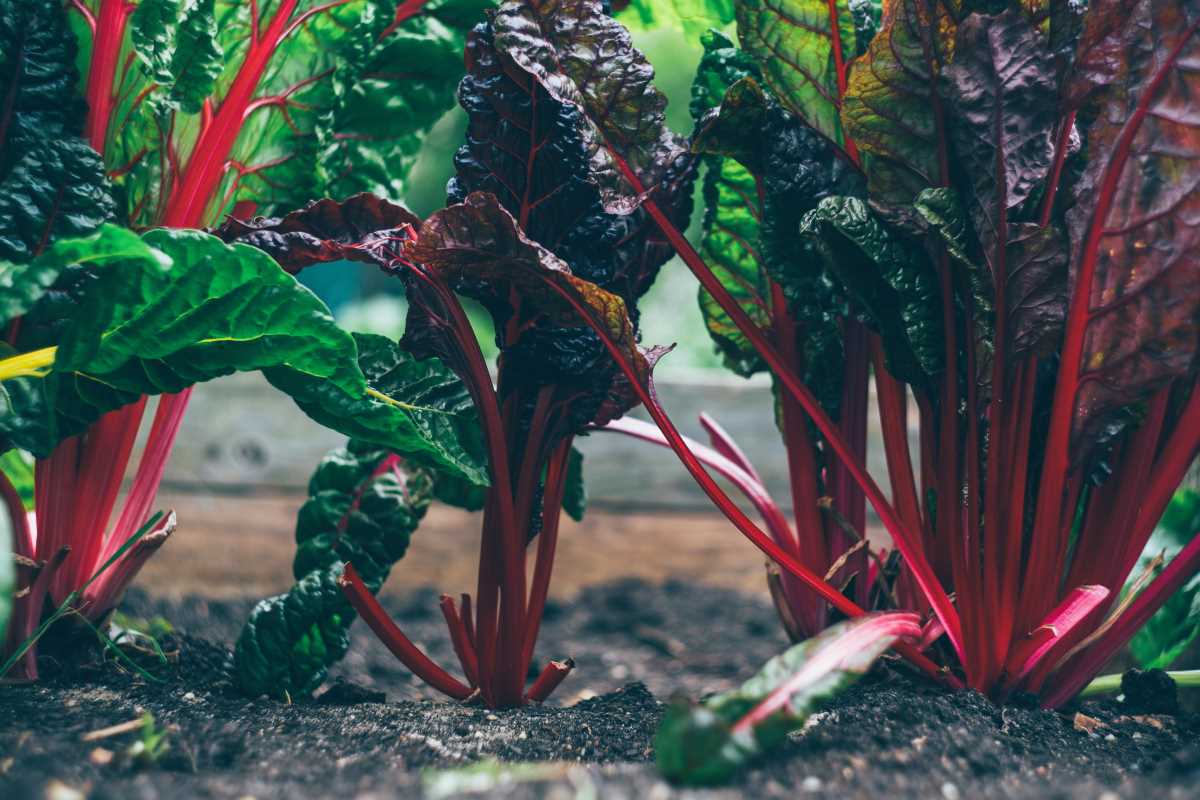
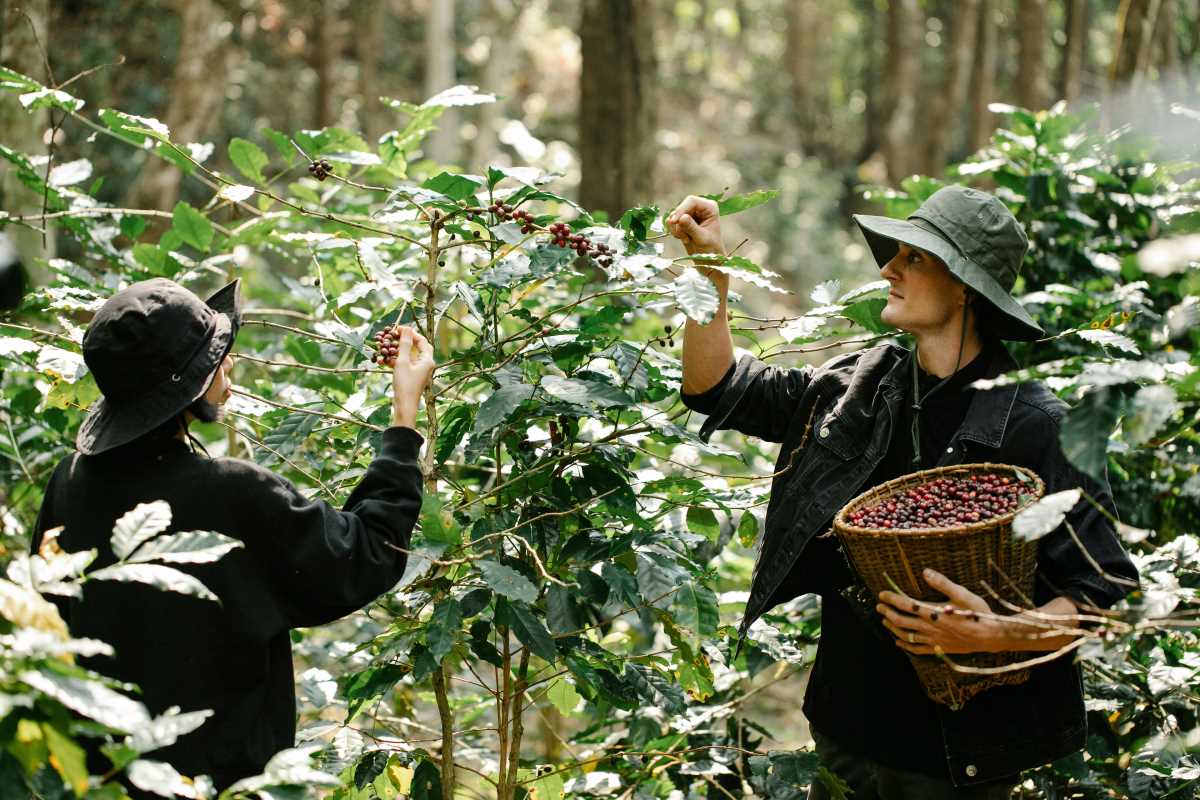
Selective hand harvesting is one of the oldest and most intimate forms of gathering food, standing in stark contrast to the clear-cutting methods of industrial machinery. In this practice, farmers walk through the fields and pick only the produce that is at the peak of ripeness, leaving the rest to mature further. This method honors the individual life cycle of each plant, ensuring that nothing is wasted by being harvested too early. It allows for a continuous harvest over several weeks or months, rather than a single, destructive event. This approach preserves the nutritional quality and flavor of the crop, as fruits and vegetables are allowed to develop their full sugar and nutrient profiles naturally on the vine or stalk.
Ecologically, selective harvesting minimizes soil disturbance and protects the surrounding habitat. Because heavy machinery is not required, the soil structure remains uncompacted, allowing for better water retention and root growth for future plantings. For modern small-scale farmers or gardeners, adopting this method means spending more time in the field, but the payoff is significant in terms of produce quality and waste reduction. Practical adaptation involves training the eye to recognize the subtle signs of ripeness, color changes, firmness, or ease of detachment, and harvesting frequently, perhaps every few days. This rhythm connects the grower deeply to the daily changes in the garden, fostering a keen awareness of the season's progression.
The Practice of Coppicing for Sustainable Wood
Coppicing is a traditional woodland management technique that dates back to the Stone Age, designed to harvest timber without killing the trees. It involves cutting specific tree species, such as hazel, chestnut, or willow, down to a stump or "stool" during their dormant winter phase. In the spring, the tree regenerates by sending up multiple fast-growing shoots, which can be harvested again in a cycle ranging from a few years to a couple of decades. This method respects the tree's natural growth cycle and seasonal dormancy, ensuring a renewable supply of wood for fuel, fencing, and crafting while keeping the parent tree alive for potentially hundreds of years.
The ecological benefits of coppicing are immense, as it creates a diverse woodland structure with varying light levels reaching the forest floor. This "mosaic" habitat supports a wider range of flora and fauna, including spring wildflowers and butterflies, than a closed-canopy forest. For modern landowners, coppicing offers a way to produce sustainable material while boosting local biodiversity. To adapt this practice, one must identify suitable native tree species that respond well to cutting and establish a rotation cycle where different sections of the woodlot are harvested in different years. This ensures a continuous supply of wood and maintains a balanced ecosystem where wildlife always has a sanctuary in the uncut sections.
The Wisdom of Dry Field Harvesting
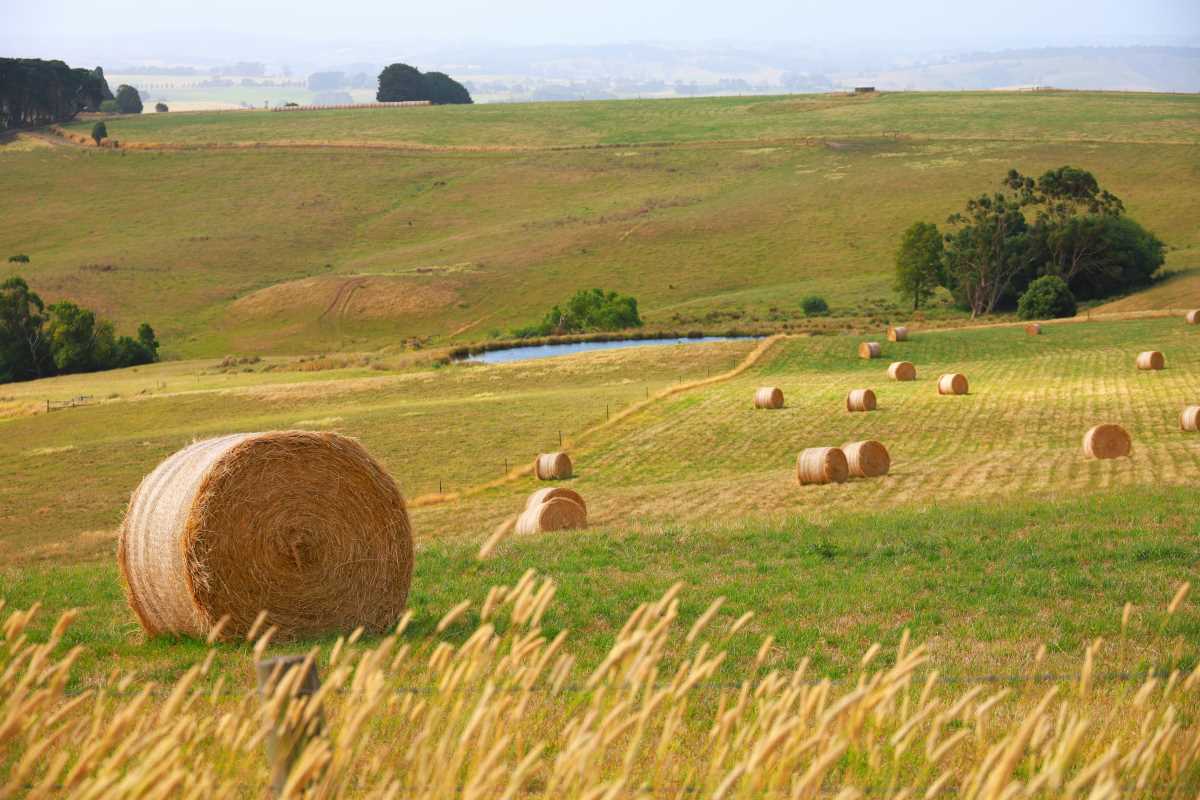
In many arid and semi-arid cultures, harvesting crops like grains and legumes involves waiting for the plants to dry completely in the field before gathering. This method utilizes the natural dry season to cure the crop, reducing the moisture content to levels safe for long-term storage without the need for artificial energy inputs. Farmers monitor the weather patterns closely, timing the harvest to coincide with the peak of the dry season to prevent mold and spoilage. This synchronization with the local climate reduces the carbon footprint associated with mechanical drying and leverages the sun and wind as primary agricultural tools.
This technique is deeply rooted in the preservation of food security for the winter months. By allowing the crop to complete its lifecycle in the field, the seeds harden and mature fully, ensuring viability for next year's planting as well. Modern adaptation involves selecting crop varieties that are naturally suited to dry down in the field, such as dent corn, dry beans, or sorghum. It requires patience and a willingness to work with the weather forecast, harvesting during low-humidity windows. For homesteaders, this method simplifies post-harvest processing and honors the natural end-of-life phase of annual plants, returning dry organic matter to the soil as mulch during the collection process.
The Tradition of Gleaning and Second Harvests
Gleaning is the ancient practice of gathering leftover crops from farmers' fields after the commercial harvest has been completed. Historically protected by law or custom in many societies to support the poor, gleaning respects the season's abundance by ensuring that no food goes to waste. It acknowledges that mechanical harvesting is imperfect and often misses valuable produce. This "second harvest" serves as a community-based safety net and a celebration of the land's generosity. It connects people directly to the source of their food and emphasizes gratitude for the surplus that nature provides, reinforcing social bonds through shared labor and distribution.
From an ecological perspective, gleaning prevents rotting food from releasing methane in the fields and maximizes the caloric output of the land and water resources used to grow the crop. Today, gleaning is seeing a revival through volunteer organizations that recover surplus food for food banks. On a smaller scale, gardeners can practice this by doing a final sweep of their beds before winter, collecting green tomatoes or small root vegetables that might otherwise be tilled under. Adapting this mindset means viewing the "imperfect" or small produce as valuable. It encourages a thoroughness that respects the energy invested in every single plant, extending the season of availability for fresh food.
The Ritual of Lunar Cycle Harvesting
Many traditional agricultural systems, from Biodynamics to indigenous farming practices, time their harvests according to the phases of the moon. The belief is that the gravitational pull of the moon affects moisture levels in the soil and plants, much like it affects the tides. For example, harvesting crops for storage (like root vegetables) is often done during the waning moon when the energy and sap are thought to descend into the roots, enhancing shelf life. Conversely, crops meant for immediate consumption, especially fruits and above-ground vegetables, might be harvested during the waxing moon when moisture content is higher in the leaves and stems.
While scientific consensus on lunar gardening varies, the practice fosters a disciplined observation of natural cycles that goes beyond the solar calendar. It encourages farmers to pay attention to subtle environmental cues and establishes a rhythmic schedule for farm tasks. Implementing this method involves using a lunar calendar to plan harvest days, adding a layer of intentionality to the work. It prompts the grower to pause and consider the broader cosmic influences on their land. Whether strictly adhered to or used as a general guide, lunar harvesting instills a sense of connection to the larger rhythms of the universe, reminding us that agriculture is an interplay between the earth and the sky.