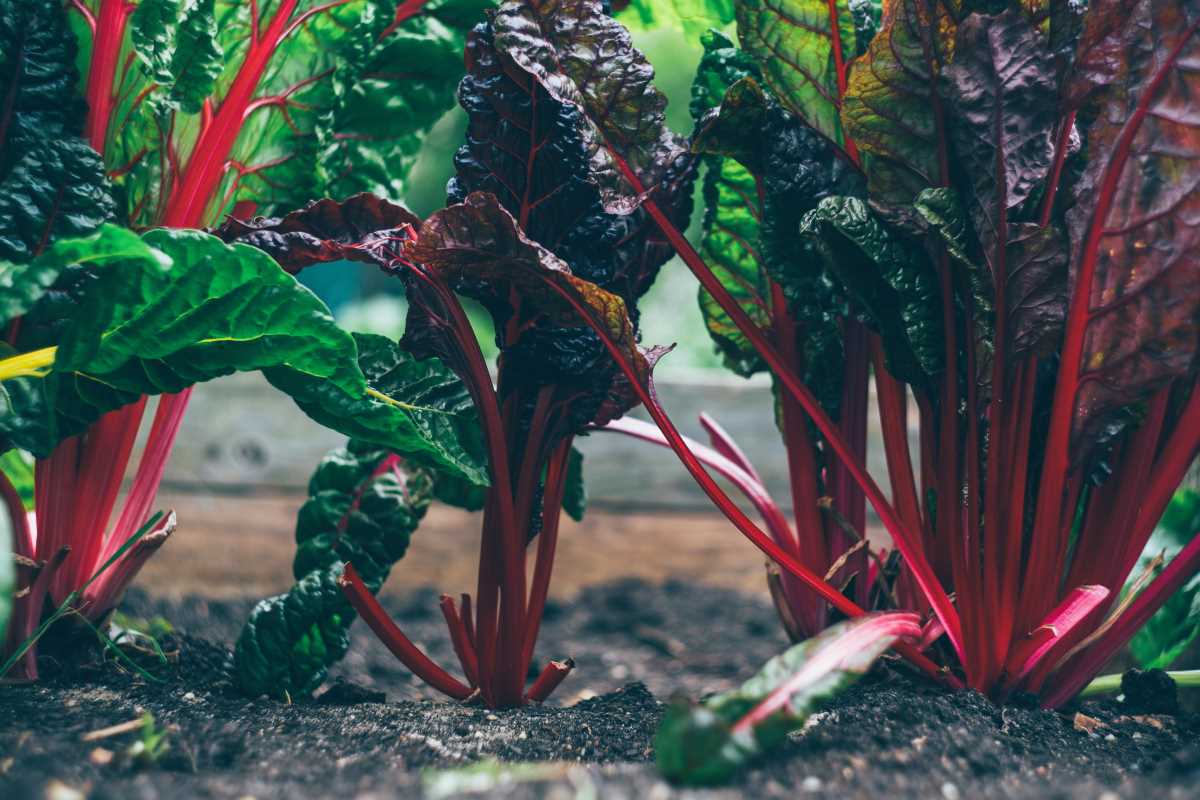
For many of us, the idea of growing our own food conjures images of sprawling acreage, heavy machinery, and endless summer days spent weeding under the hot sun. But a quiet revolution is happening on kitchen counters and windowsills everywhere. Microgreens and small crops prove that you don't need a farm, or even a backyard, to produce incredible amounts of nutrition. These tiny plants are harvested just days or weeks after germination, capturing the plant's energy at its most potent peak. They offer a density of vitamins and minerals that mature vegetables often struggle to match, all while requiring minimal space and effort.
Embracing these miniature crops is about more than just garnishing a salad; it is a step toward food sovereignty and everyday wellness. Whether you live in a high-rise apartment or have a small suburban plot, integrating microgreens into your routine provides a constant connection to nature's cycles. The barrier to entry is delightfully low, often requiring nothing more than a shallow tray, some soil or a grow mat, and a sunny spot. This guide explores five powerhouse microgreens and small crops that deliver maximum nutritional impact, offering simple growing advice to help you cultivate a vibrant, edible garden right inside your home.
The Protein Punch of Sunflower Shoots
Sunflower shoots are the heavyweights of the microgreen world, offering a satisfying crunch and a surprisingly nutty flavor that feels substantial enough to be the base of a meal. Unlike delicate herbal greens, these shoots are robust and hearty. Nutritionally, they are a powerhouse, packed with high-quality plant protein, essential fatty acids, and a rich array of vitamins, including A, B complex, D, and E. They are also an excellent source of minerals like calcium and iron. Eating a handful of sunflower shoots is like consuming a concentrated burst of the energy intended to grow a massive flower, providing sustained fuel for the body.
Growing sunflower shoots is a gratifying process because of their rapid and dramatic growth. You start by soaking untreated black oil sunflower seeds overnight to kickstart germination. Spread them densely on soil, cover them to keep them in the dark for a few days, and then expose them to light. Within 10 to 12 days, you will be harvesting a lush forest of green. It is crucial to harvest them before the true leaves emerge, as the flavor can turn bitter if they mature too much. In the kitchen, their sturdy texture makes them perfect for sandwiches, wraps, or blending into a creamy, nutrient-dense pesto that rivals traditional basil versions.
The Spicy Kick of Radish Microgreens
If you are looking for flavor that wakes up the palate, radish microgreens are the undisputed champion. These tiny seedlings pack all the peppery heat of a full-grown radish bulb but in a delicate, leafy form. They are incredibly rich in vitamins C, E, and K, helping to support immune function and skin health. Additionally, they contain vital antioxidants and glucosinolates, compounds known for their potential to support detoxification processes in the body. Their vibrant colors, ranging from deep purple and coral pink to bright green, add visual drama to any dish, making healthy eating feel like a gourmet experience.
Radish microgreens are arguably the easiest and fastest crop for beginners to grow. They are vigorous germinators that do not require pre-soaking and are often ready to harvest in as little as five to seven days. They thrive in standard potting soil or hydroponic pads and are forgiving of minor watering mistakes. Because they grow so quickly, they are rarely bothered by mold or pests. Culinary uses are endless; sprinkle them over avocado toast for a spicy contrast, toss them into tacos for freshness, or use them to add a zesty bite to mild soups. They offer a high-reward introduction to indoor gardening with near-instant gratification.
The Nutrient Density of Broccoli Microgreens
Broccoli microgreens have gained fame in health circles for good reason; they are scientifically proven to be denser in nutrients than their mature counterparts. Specifically, they are loaded with sulforaphane, a sulfur-rich compound that has been extensively studied for its anti-inflammatory and cancer-fighting properties. In fact, these tiny greens can contain up to 40 times more sulforaphane by weight than adult broccoli heads. Beyond this unique compound, they are also an excellent source of vitamin C and beta-carotene. The flavor is surprisingly mild, fresh, crisp, and slightly brassica-like, making them easy to hide in smoothies for picky eaters who might reject a plate of steamed broccoli.
Cultivating broccoli microgreens is straightforward and efficient. They grow well on a variety of mediums, from hemp mats to organic soil. After scattering the seeds and keeping them moist and covered for a few days, they will shoot up quickly once exposed to light. They are typically ready to harvest around day 10, just as the first set of heart-shaped cotyledons fully opens. To maximize their health benefits, it is best to eat them raw, as cooking can degrade the enzyme myrosinase, which is necessary for sulforaphane absorption. Add a generous handful to salads, use them as a bed for grilled salmon, or fold them into omelets just before serving.
The Sweet Tendrils of Pea Shoots
Pea shoots offer a taste of spring regardless of the season, delivering a sweet, fresh flavor that tastes exactly like freshly shelled garden peas. These delicate tendrils are aesthetically beautiful, often curling in elegant spirals that add sophistication to plating. Nutritionally, they are rich in vitamin C, beta-carotene, and folate, making them excellent for heart health and cellular repair. They also provide a good amount of fiber, aiding in digestion. Unlike some stronger-tasting microgreens, pea shoots have a universal appeal with their mild sweetness and crisp, juicy texture, making them a favorite among children and adults alike.
To grow pea shoots, use dried field peas (often sold as "speckled peas") rather than expensive garden pea seeds. Soak them for up to 24 hours before planting them densely on top of an inch of soil. They are vigorous growers that can even regrow after a cut, potentially offering a second, albeit smaller, harvest. They prefer cooler temperatures, making them ideal for a drafty windowsill or a basement setup. In the kitchen, they are versatile enough to be eaten raw in salads or quickly wilted in stir-fries. Their sweetness pairs beautifully with citrus vinaigrettes, soft cheeses, and seafood dishes, bringing a light, airy crunch to heavier meals.
The Colorful Vitality of Amaranth Microgreens
Amaranth microgreens are the jewels of the indoor garden, prized primarily for their stunning, neon-magenta color. But their value goes far beyond aesthetics; these tiny leaves are a nutritional powerhouse. Amaranth is a complete protein source and is rich in vitamins K, C, and E. It also boasts a high mineral content, including calcium, iron, and magnesium, which are essential for bone health and energy levels. The flavor is unique, earthy and slightly sweet, reminiscent of beet greens but with a more delicate texture. Adding a pinch of amaranth greens to a dish instantly elevates its nutritional profile and visual appeal.
Growing amaranth can be slightly more challenging than radish or broccoli, as the seedlings are delicate and sensitive to overwatering. They prefer a warm environment and need plenty of light to develop their signature vivid red or pink hues. The seeds are tiny, so they should be surface-sown and misted gently to avoid burying them too deep. Patience is key, as they may take a few days longer to mature than other fast-growing varieties. Once harvested, use them as a striking garnish on soups, grain bowls, or desserts. Their brilliant color makes them a festive addition to holiday salads, proving that healthy food can be as beautiful as it is nourishing.