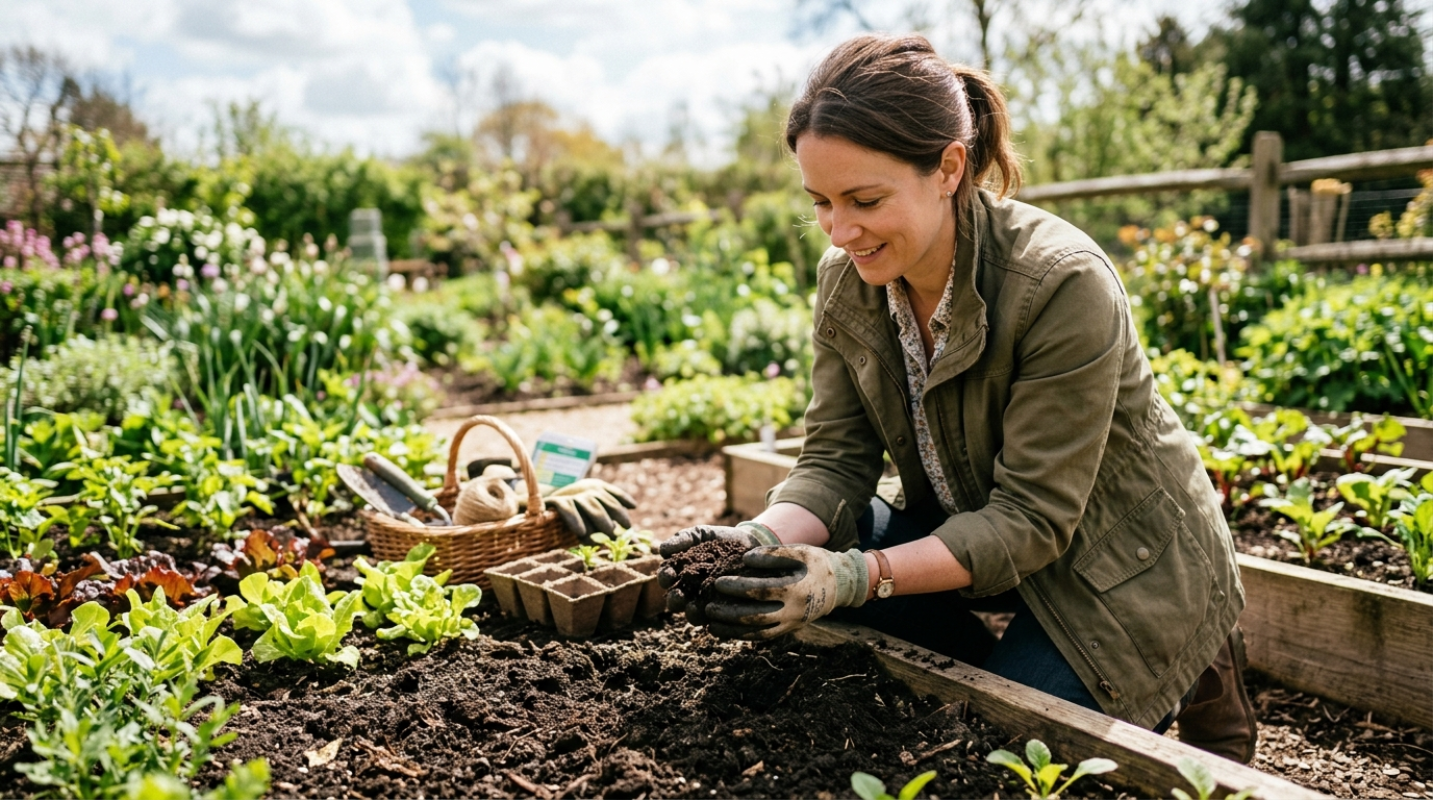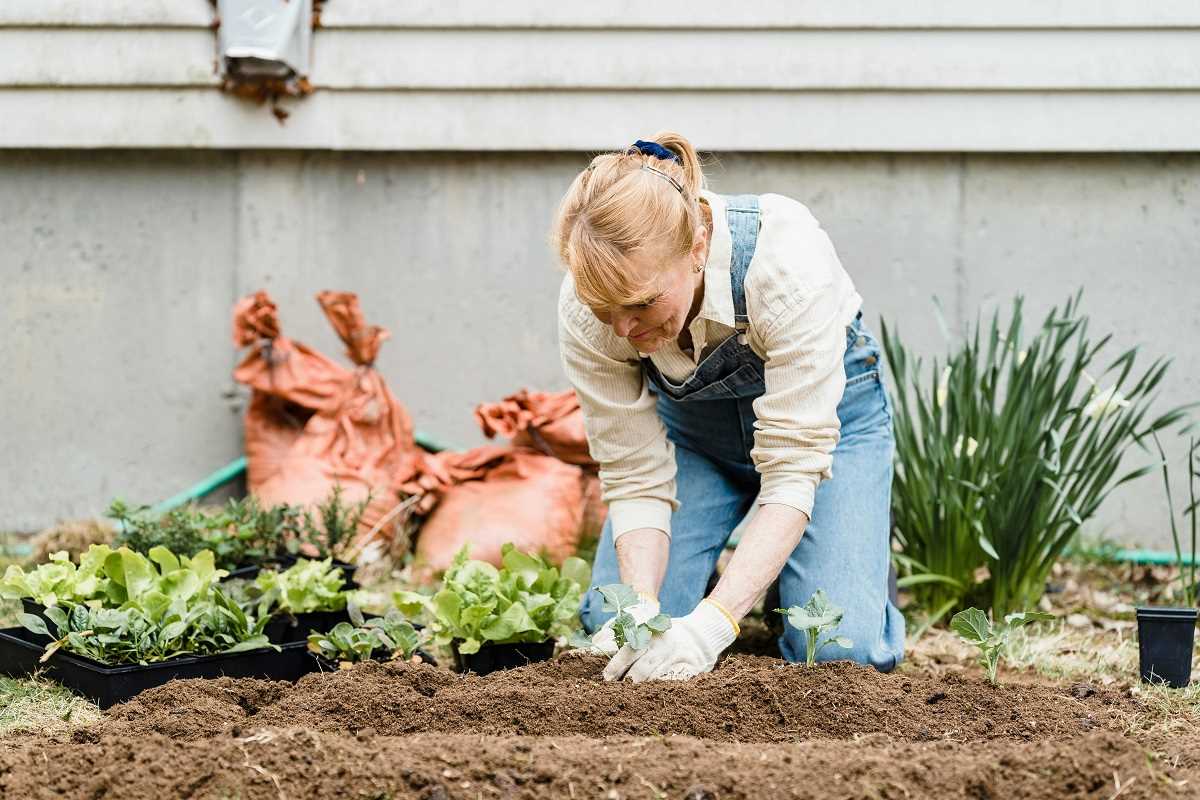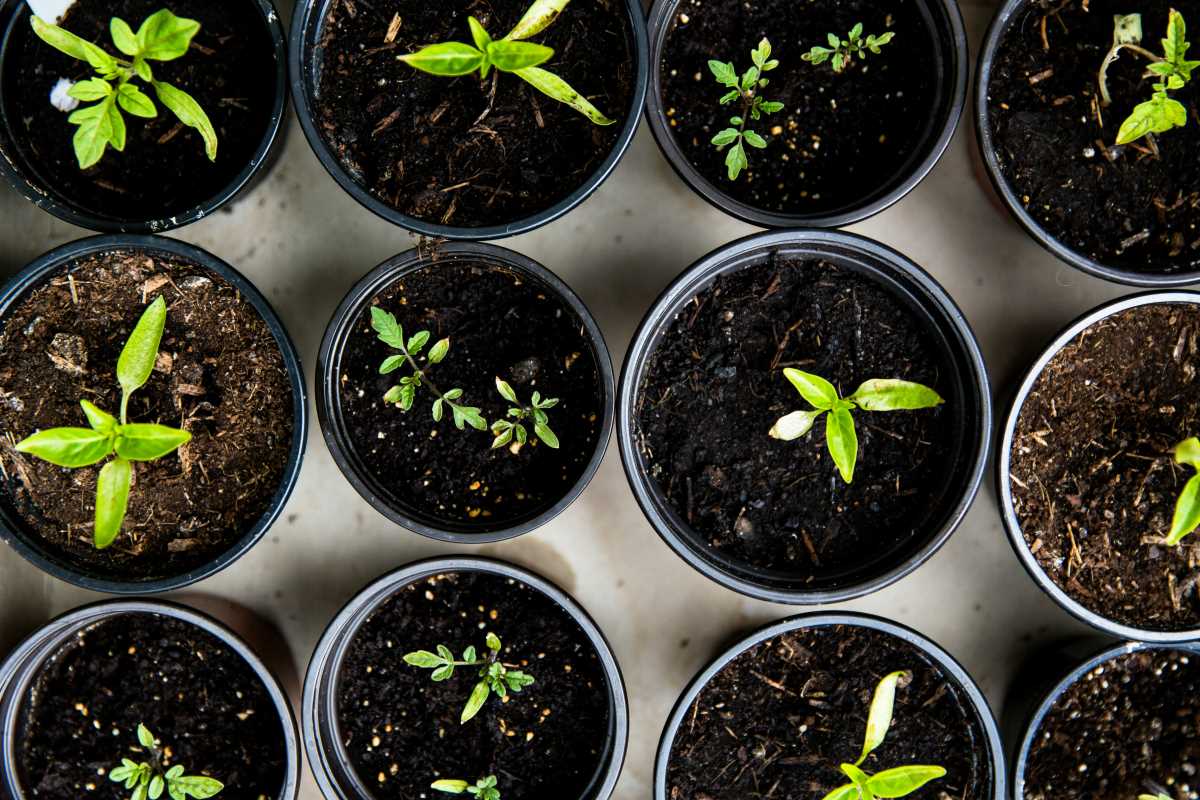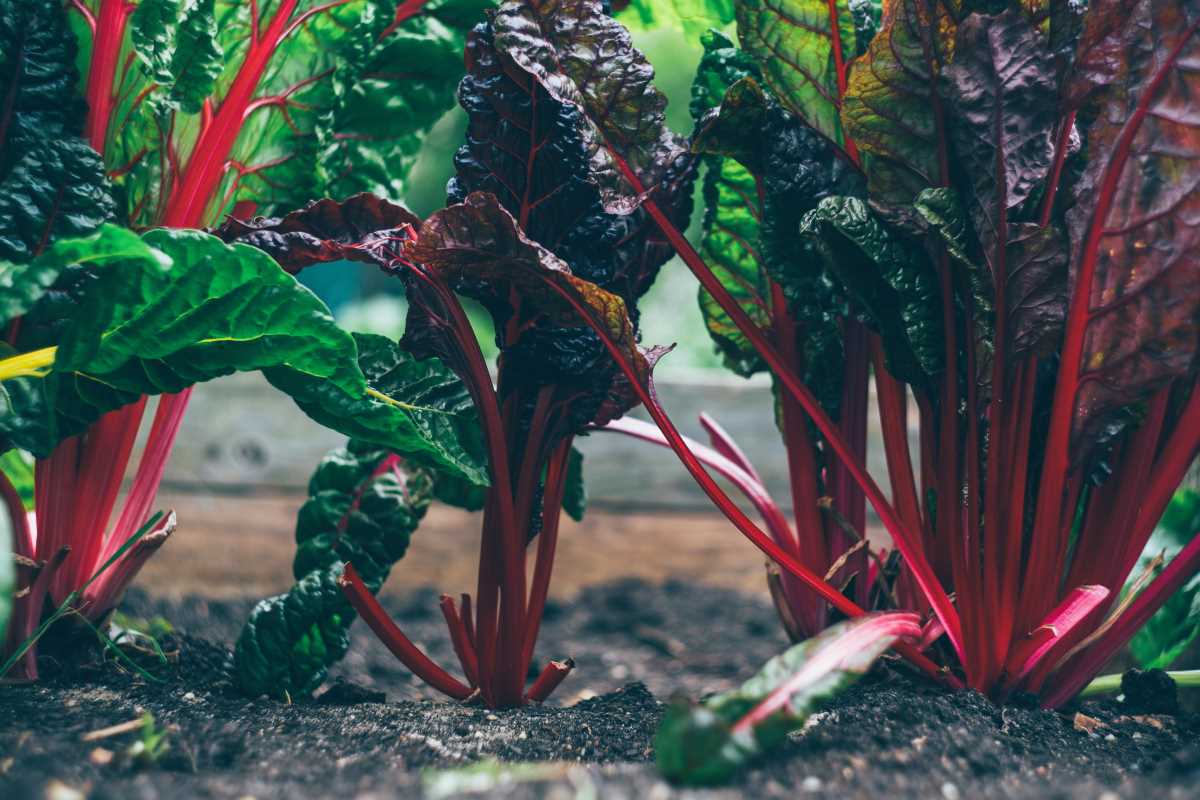
A small garden space doesn't have to mean a small harvest. With a bit of planning and the right techniques, even a tiny backyard plot, a series of containers, or a narrow balcony can produce an astonishing amount of fresh food. The key is to move beyond the traditional model of single rows and think in three dimensions, up, down, and across time. By applying multi-crop strategies, you can create a highly productive, dynamic, and resilient garden ecosystem that makes the most of every square inch.
These methods are all about working smarter, not harder. They leverage natural plant relationships and the progression of the seasons to stack functions and yields. Instead of leaving soil bare or letting vertical space go to waste, you can create a dense, living tapestry of edible plants. This guide will explore five practical multi-crop strategies that will help you maximize your small garden space, reduce work, and enjoy a more continuous and diverse harvest throughout the growing season.
The Synergy of Intercropping
Intercropping, or companion planting, is the practice of growing two or more different crops together in the same space. This strategy moves beyond simple rows of one vegetable and instead creates a diverse polyculture where plants can support one another. A classic example is the "Three Sisters" method, where corn provides a trellis for beans, the beans fix nitrogen in the soil to feed the corn, and sprawling squash acts as a living mulch, suppressing weeds and conserving moisture. This synergy allows each plant to thrive more than it would on its own, increasing the total yield from a single patch of ground.
To implement intercropping effectively in a small garden, think about plant pairings that occupy different physical spaces or have different needs. You can plant fast-growing radishes between slow-growing broccoli; the radishes will be ready to harvest long before the broccoli needs the extra room. Similarly, planting shade-tolerant lettuce beneath tall tomato plants provides the lettuce with welcome relief from the hot summer sun. This not only maximizes your use of space but also creates a more resilient system that can confuse pests and attract a wider range of beneficial insects.
The Continuous Harvest of Succession Planting
Succession planting is a strategy focused on maximizing your garden's output over time. Instead of planting everything at once in the spring and having a single, massive harvest, you plant small batches of a crop every few weeks. This ensures you have a continuous supply of fresh produce throughout the season. For example, instead of planting a long row of lettuce all at once, you can sow a short row every two weeks. As you harvest the first batch, the next one is just about ready, and a third is just beginning to sprout.
This technique is perfect for fast-maturing crops like leafy greens, radishes, bush beans, and beets. It prevents the all-too-common problem of being overwhelmed with too much of one vegetable at the same time. To get started, look at the "days to maturity" on your seed packets and plan to sow a new batch about halfway through that period. You can also practice succession planting by following a cool-season spring crop, like spinach, with a heat-loving summer crop, like peppers, in the same spot. This ensures that your garden soil is never left empty and unproductive.
The Efficiency of Vertical Gardening
When you run out of ground space, the only way to go is up. Vertical gardening is a transformative strategy for small gardens, allowing you to grow vining and climbing plants on trellises, fences, arches, and other supports. This frees up valuable soil for root vegetables and bush-type plants. Crops like pole beans, cucumbers, peas, Malabar spinach, and many varieties of squash are natural climbers that will happily ascend a vertical structure. Growing them upwards not only saves space but can also improve plant health by increasing air circulation, which helps prevent fungal diseases.
Implementing a vertical system can be as simple as leaning a wooden pallet against a wall for growing herbs and lettuces or installing a sturdy trellis for heavier crops like winter squash. In container gardens, a simple tomato cage or a bamboo teepee can provide the necessary support. Harvesting is also often easier with vertical gardening, as the fruits hang down for easy picking, saving you from having to bend and search through dense foliage. By training your plants to grow vertically, you can multiply your growing area without expanding your garden's footprint.
The Smart Use of Relay Cropping
Relay cropping is a more advanced form of succession planting where a second crop is sown into an existing crop before the first one is harvested. It’s like a carefully timed relay race for your plants, ensuring there is no downtime between harvests. For instance, you could sow slow-germinating carrot or parsnip seeds underneath your tomato plants in late summer. The tomatoes will continue to produce while the root vegetables slowly establish themselves. Once the tomatoes are finished and removed in the fall, the carrots or parsnips have a head start and plenty of space to mature in the cooler weather.
This technique requires careful planning regarding timing and plant compatibility. The key is to choose a second crop that can tolerate the initial shade and competition from the established first crop. Another effective relay combination is planting fall brassicas like kale or cabbage seedlings among rows of bush beans that are nearing the end of their production. As the beans are pulled out, the young brassica plants are already in place and ready to take off. This intensive strategy keeps your garden beds working at peak capacity from the beginning of the season to the very end.
The Density of Intensive Planting
Intensive planting, also known as square-foot gardening, challenges the traditional idea of planting in long, single-file rows. Instead, it involves planting vegetables in dense blocks or grids, spacing them just enough so that their leaves will touch at maturity. This canopy of leaves creates a living mulch that shades the soil, which helps to conserve moisture and suppress the growth of weeds. With less exposed soil, you spend less time watering and weeding and more time harvesting. This method is exceptionally well-suited for raised beds and small, well-defined garden plots where you can easily reach the center without stepping on the soil.
To practice intensive planting, simply ignore the "space between rows" instructions on a seed packet and focus only on the "space between plants" recommendation. Using a grid pattern rather than rows allows you to fit significantly more plants into the same area. For example, a 4x4 foot bed can be divided into sixteen one-foot squares, with each square holding a specific number of plants depending on their size, one tomato, four lettuces, or sixteen carrots. This highly organized and dense planting method maximizes the productivity of every square inch, making it one of the most effective multi-crop strategies for a small garden.