 (Image via
Many gardeners are familiar with the "feast or famine" cycle of food production. Summer often brings an overwhelming abundance of zucchini and tomatoes, followed by a sparse winter where the garden lies dormant. However, with strategic planning and a shift in perspective, it is entirely possible to transform a seasonal plot into a year-round food source. Transitioning to continuous production requires looking at the calendar not as a start-and-stop timeline, but as a circle where every month offers an opportunity to sow, grow, or harvest.
Achieving this level of consistency involves more than just planting more seeds; it requires a deep understanding of plant lifecycles, microclimates, and timing. By employing specific techniques to manipulate the growing environment and schedule, you can smooth out the peaks and valleys of harvest. This guide explores five essential planning techniques that will help you bridge the hunger gap and keep your kitchen stocked with fresh, homegrown produce through every season.
Mastering Succession Planting Schedules
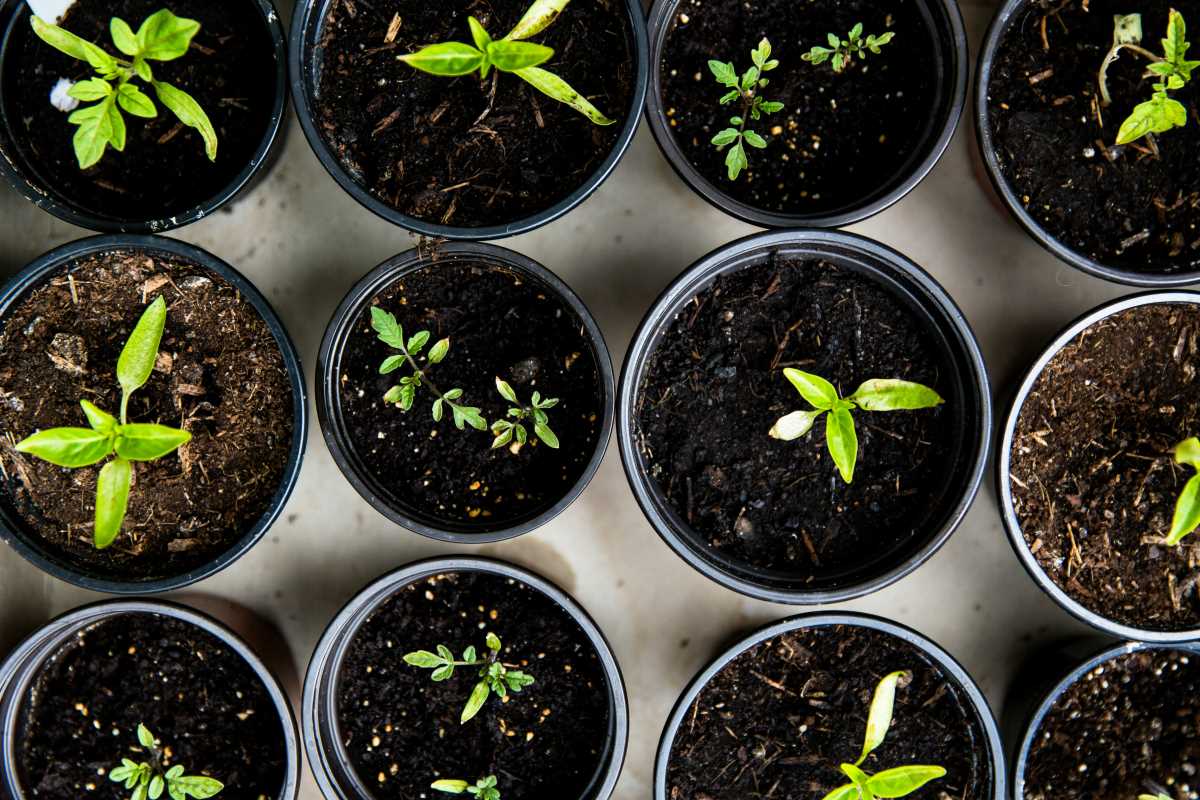
Succession planting is the practice of seeding crops at staggered intervals to maintain a consistent supply of produce rather than a single, overwhelming harvest. Instead of planting a full row of lettuce in April and harvesting it all in June, you might sow a few feet of lettuce every two weeks throughout the spring and summer. This technique ensures that as one batch of plants matures and is harvested, the next batch is right behind it, ready to take its place. It effectively eliminates the "glut" of produce that often leads to waste and fills the gaps that would otherwise leave your garden empty.
To implement this successfully, you need to know the specific "days to maturity" for your chosen crops and factor in the changing day length. In the spring, crops grow rapidly as days lengthen, but in late summer, growth slows down. A radish that takes 25 days to mature in May might take 35 days in September. Practical planning involves creating a planting calendar that maps out these intervals. Start with fast-maturing crops like radishes, cilantro, and spinach, sowing small amounts frequently. For longer-season crops like bush beans or carrots, planting three distinct successions a month apart can ensure fresh vegetables from early summer right through to the first frost.
Leveraging Season Extension Infrastructure
Even in cold climates, the growing season does not have to end when the first frost hits. By using season extension infrastructure, you can create microclimates that mimic warmer conditions, allowing you to harvest hardy greens and root vegetables well into winter. Tools like cold frames, low tunnels, and hoop houses act as unheated greenhouses, trapping solar energy during the day and protecting plants from freezing winds and heavy snow at night. These structures can effectively shift your gardening zone by one or two levels, making it possible to grow food when the ground outside is frozen solid.
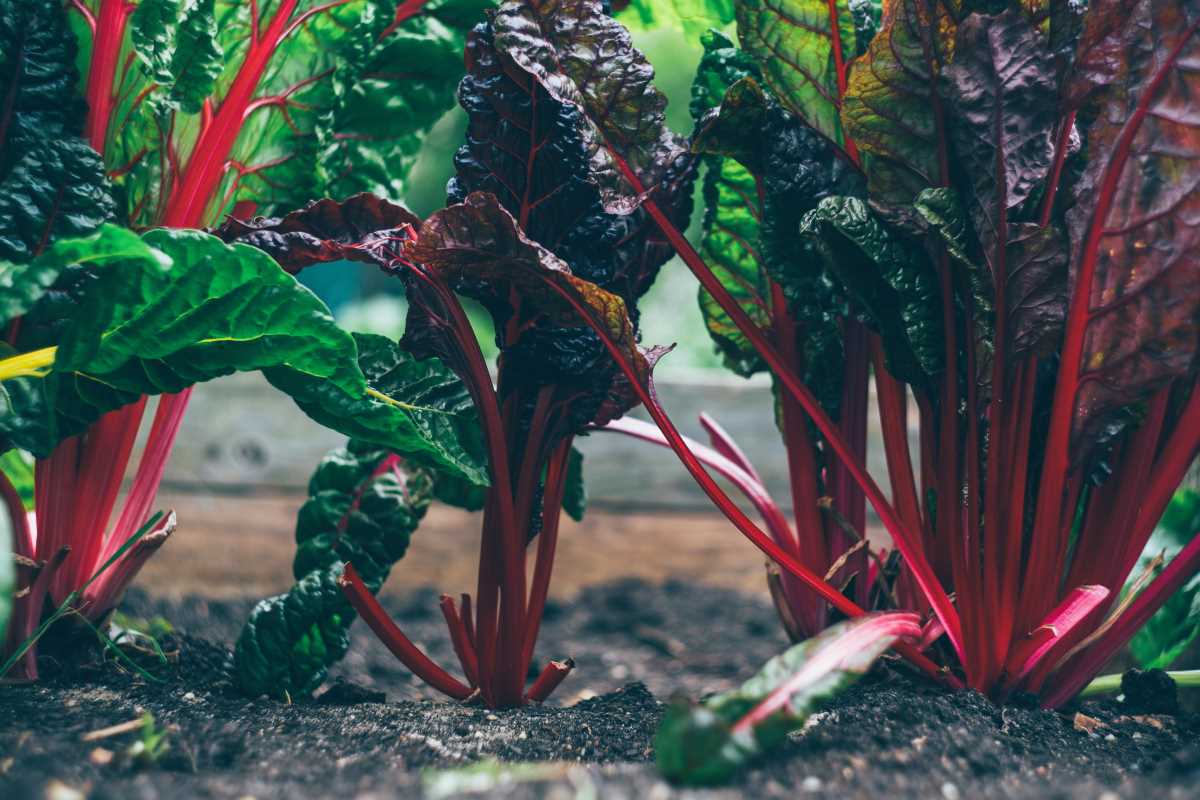
Implementing season extension starts with simple, affordable materials. A low tunnel can be constructed using PVC pipes bent over a garden bed and covered with agricultural fleece or greenhouse plastic. This simple setup can keep the air inside significantly warmer than the ambient temperature. For fall gardening, place these covers over mature crops like kale, swiss chard, and carrots before the hard frosts arrive. The goal isn't necessarily to encourage new growth during the darkest days of winter, but to protect mature plants so they can be harvested fresh. With the right protection, spinach planted in late summer can provide leaves throughout the entire winter.
Selecting Cultivars for Seasonal Adaptability
Not all seeds are created equal, and choosing the right variety for the right season is crucial for year-round production. A lettuce variety that thrives in the cool, damp days of spring may bolt and become bitter in the heat of July. Conversely, a heat-loving tomato will struggle to ripen if planted too late in the autumn. Seed catalogs often list specific traits such as "heat tolerance," "cold hardiness," or "slow-bolting." By paying attention to these descriptions, you can select cultivars genetically programmed to succeed in the specific window of time you are planting them.
For year-round success, categorize your seeds by their ideal growing season. For summer planting, look for bolt-resistant greens like 'Muir' lettuce or 'Slow Bolt' cilantro that can withstand high temperatures. for winter harvests, prioritize cold-hardiness. Varieties like 'Winter Density' lettuce, 'Napoli' carrots, or 'Winterbor' kale are bred to survive freezing temperatures and low light levels. Some root vegetables even become sweeter after a frost as they convert starches to sugars to protect their cells. By curating a seed bank that includes specialists for every season, you ensure your garden is resilient against the specific weather challenges of each month.
Calculating Maturation Dates for Winter Harvests
The biggest secret to eating from the garden in winter is not planting in winter, but planting in late summer. This technique relies on calculating maturation dates backward from your region's "Persephone period", the time when day length drops below ten hours and plant growth effectively stops. To have food to harvest in December and January, your crops must reach nearly full maturity before this dark period begins. If you wait until October to plant winter carrots, they will likely remain tiny seedlings until spring. The key is to time your seeding so plants are established while the days are still long and warm.
To practice this, identify your average first frost date and the date when your daylight drops below ten hours. Look at the days to maturity on your seed packet and add a "fall factor" of about two weeks to account for slower growth as the sun weakens. For example, if you want full-sized spinach for winter, you might need to sow it in late August or early September. Create a reverse calendar that counts back from November to determine your planting dates. This ensures your crops are large and robust enough to sit in the garden in a state of suspended animation, serving as a living refrigerator that you can harvest from as needed.
Implementing Overwintering Strategies
Overwintering is distinct from extending the harvest; it involves establishing young plants in the fall that will stay dormant through the winter and burst into growth as soon as light levels increase in early spring. This technique bridges the "hungry gap", that difficult period in late spring when winter stores are depleted but new summer crops haven't yet matured. crops like garlic, overwintering onions, broad beans, and certain varieties of cauliflower and cabbage are ideal candidates. They establish root systems in the autumn, survive the cold, and provide the earliest possible fresh food when the weather warms.
Successful overwintering requires excellent drainage and protection. Wet soil in winter is often more deadly to plants than cold air, as it causes roots to rot. Ensure your overwintering beds are amended with compost to improve drainage, or consider using raised beds. Mulching is also vital; a thick layer of straw or leaves insulates the soil, preventing the freeze-thaw cycles that can heave young plants out of the ground. By dedicating space to crops that sleep through the winter, you guarantee a harvest in March and April, weeks or even months before your spring-planted seeds would be ready to eat.