 (Image via
We often treat our windows as barriers, fortifying our homes against the elements with heavy drapes and blackout shades. While privacy and insulation are important, completely sealing ourselves off from the outdoors can leave our interiors feeling stagnant and disconnected. There is a primal joy in watching the morning sun filter through a window or seeing the gentle sway of trees in the breeze. The solution lies in choosing light, breathable window treatments that act less like walls and more like filters. By selecting the right materials, you can invite the healing energy of nature into your home while still maintaining a sense of sanctuary.
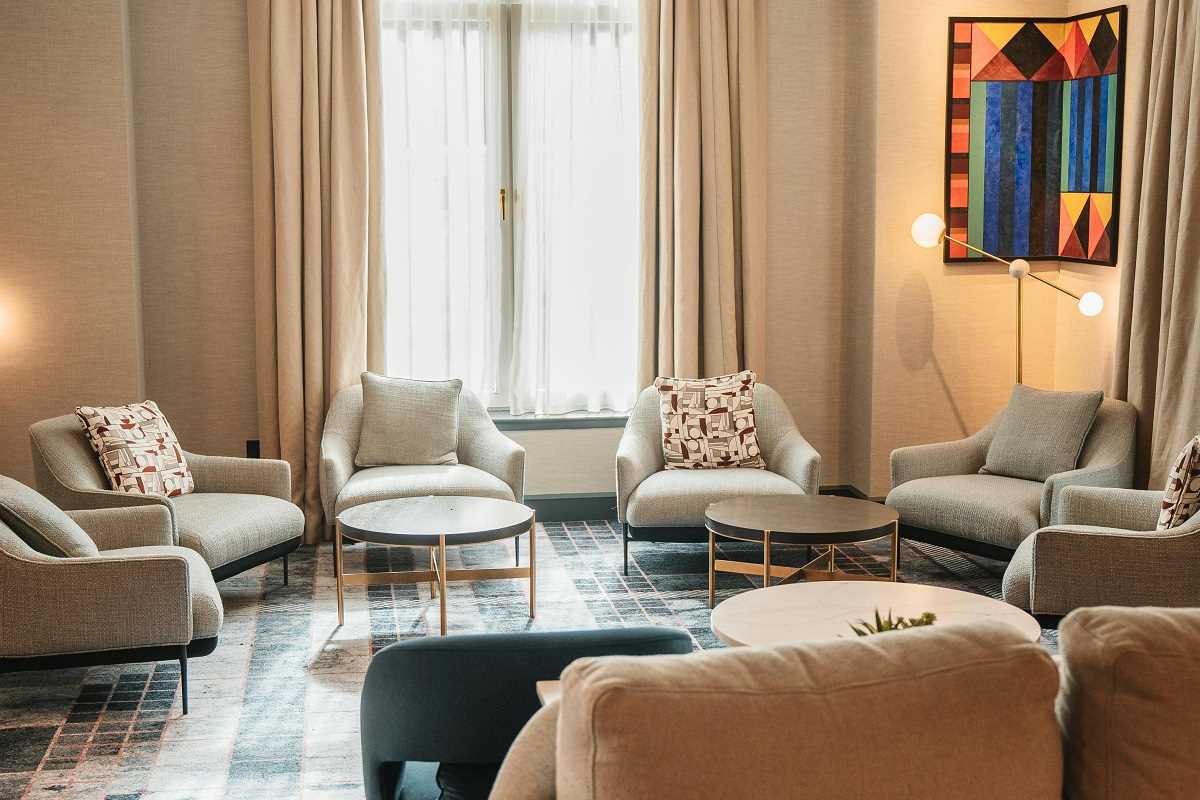
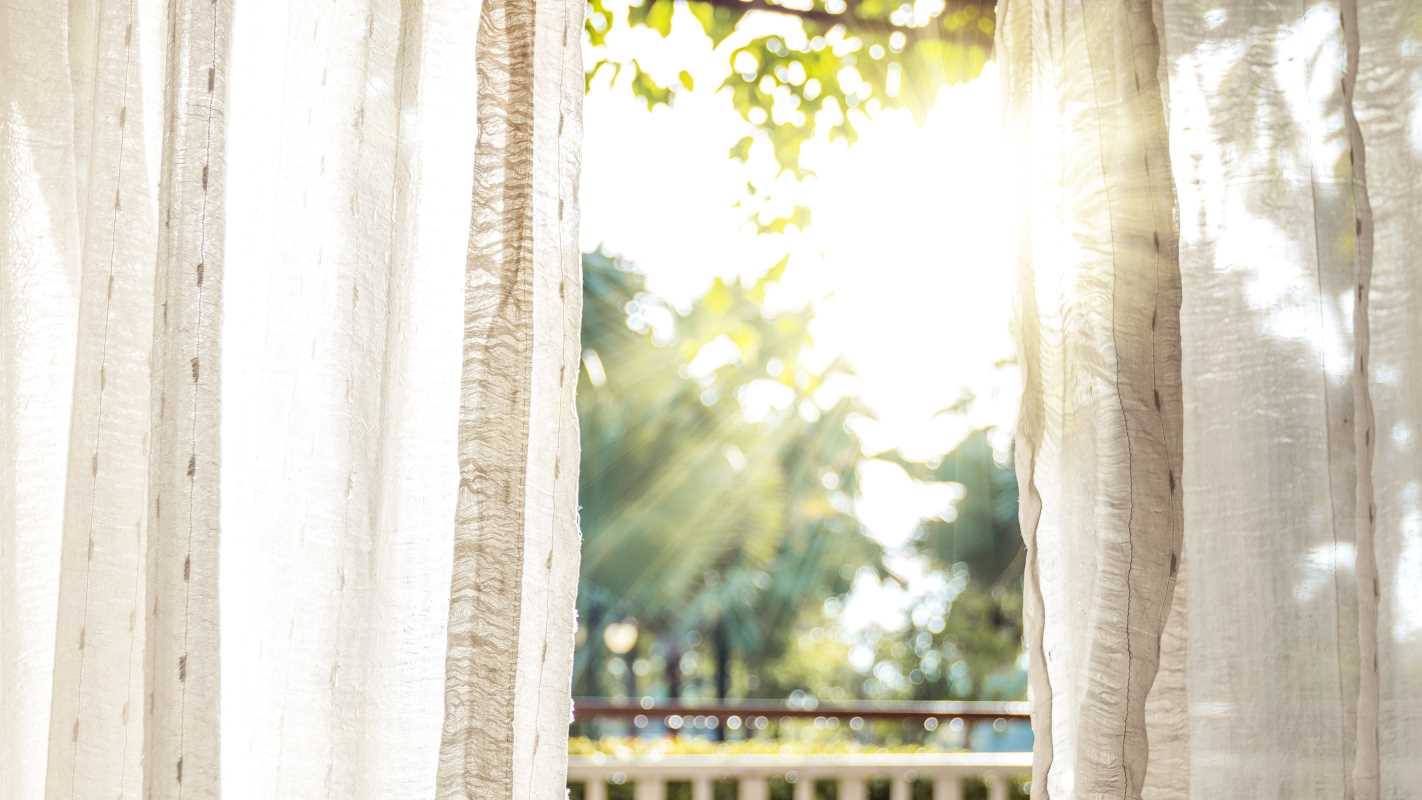
Light curtains do more than just brighten a room; they change the quality of the light itself. Instead of a harsh glare, you get a soft, diffused glow that flatters both your furniture and your mood. These fabrics catch the wind, mimicking the movement of the outdoors and adding a dynamic, living element to your decor. Whether you want to frame a garden view or simply maximize the daylight in a city apartment, the right curtain can bridge the gap between inside and out. This guide explores five beautiful options that prioritize natural light, airy textures, and an effortless connection to the world beyond the glass.
The Organic Texture of Sheer Linen
Linen is perhaps the most beloved material for those seeking a natural, earthy aesthetic in their home. Made from the fibers of the flax plant, sheer linen possesses a unique, irregular texture characterized by small "slubs" or knots in the weave. When hung against a window, these imperfections catch the light in fascinating ways, creating a dappled effect that mimics sunlight filtering through leaves. Unlike synthetic sheers which can look shiny or plastic, linen has a matte finish that feels grounded and authentic. It allows for excellent airflow, meaning that when the windows are open, the curtains billow gently, bringing the fresh scent of the outdoors right into your living space.
Incorporating sheer linen into your home requires embracing a bit of imperfection. This fabric is naturally prone to wrinkling, but this relaxed, lived-in look is exactly what gives it charm. It works exceptionally well in living rooms and dining areas where you want to create an atmosphere of casual elegance. Choose unbleached or oatmeal-colored linen to warm up the light entering a north-facing room, or opt for crisp white to enhance the brightness of a sunny exposure. Because linen is durable and becomes softer with age, these curtains are a long-term investment in a timeless, organic style that never feels overly manicured.
The Soft Diffused Glow of Cotton Voile
If you are looking for a fabric that feels like a soft cloud, cotton voile is the ideal choice. Voile is a lightweight, plain-weave fabric that is smoother and finer than linen, known for its incredible draping qualities. It hangs with a fluid grace, pooling beautifully on the floor if you choose to leave extra length. The magic of voile lies in its ability to diffuse harsh sunlight into a uniform, flattering haze. It creates a dreamy, ethereal atmosphere that softens the hard edges of window frames and architecture. Because it is semi-sheer, it offers a moderate level of privacy during the day, blurring the view from the outside while keeping your view of the outdoors relatively clear.
Cotton voile is particularly well-suited for bedrooms and nurseries where a serene, peaceful vibe is paramount. Its soft touch and airy appearance evoke a sense of calm that is perfect for rest. For a romantic or vintage-inspired look, try layering two panels of voile on a double rod to add volume without adding weight. This material is also very easy to care for and wash, making it practical for high-traffic homes. While white is the classic choice, dyed voile in pale pastels like sage green or sky blue can tint the light entering the room, subtly influencing the mood and making the space feel like an extension of the garden.
The Relaxed Vibe of Crinkled Gauze
Crinkled gauze, sometimes referred to as cheesecloth fabric, brings a distinctively bohemian and tactile energy to window dressing. This fabric is defined by its open, loose weave and permanent crinkled texture, which gives it a volumetric, fluffy appearance even when using a single layer. It is incredibly lightweight, almost floating on the air, which makes it highly responsive to even the slightest breeze. The loose weave allows for maximum light penetration, making the room feel expansive and bright. It suggests a lifestyle that is unhurried and connected to the elements, perfect for homes that celebrate rustic or eclectic design philosophies.
This material shines in informal spaces like sunrooms, breakfast nooks, or creative studios where you want to maximize inspiration and energy. The texture of the gauze adds visual interest to neutral walls, preventing a white-on-white room from feeling sterile. Because it is so sheer, crinkled gauze is often best used in areas where strict privacy is not the primary concern, or layered over a roller shade for nighttime coverage. To enhance the natural vibe, hang these curtains from simple wooden rods or use clip rings for an easy, casual drape. The aesthetic is effortlessly chic, suggesting that nature just happened to wander inside.
The Intricate Shadow Play of Natural Lace
Lace often gets a bad reputation for being old-fashioned or fussy, but modern natural lace curtains are experiencing a revival for their unique ability to sculpt light. Unlike heavy polyester lace, natural cotton or linen lace features distinct, often geometric or botanical patterns that act as a stencil for the sun. As the light passes through the openwork design, it casts intricate, shifting shadows across your floor and furniture, creating a dynamic art piece that changes throughout the day. This interplay of light and shadow brings a sense of history and craftsmanship to a room, bridging the gap between traditional charm and modern airiness.
To keep the look fresh and connected to nature, avoid dense floral patterns and opt for simpler, open weaves like Madras or Scottish lace. These styles allow for better visibility while still breaking up the view from the street. They work beautifully in kitchens and bathrooms, adding a touch of softness to spaces dominated by hard surfaces like tile and stone. Lace filters light without blocking it, ensuring that your task areas remain bright and functional. When paired with houseplants, the botanical patterns in the fabric echo the real greenery on the windowsill, creating a cohesive, garden-inspired vignette that feels lively and curated.
The Airy Structure of Open Weave Casement
For those who prefer a more structured, architectural look without sacrificing light, open weave casement fabrics are a fantastic solution. These fabrics are typically woven from heavier yarns like wool, thick cotton, or blended fibers, but with a very loose, grid-like structure. The result is a curtain that has physical weight and hangs straight, yet is full of holes that let light stream through. It offers a beautiful compromise between a heavy drape and a sheer, providing texture and presence while remaining transparent enough to see the outdoors. The aesthetic is reminiscent of a hand-woven basket or a loom, emphasizing craftsmanship and raw materials.
Casement fabrics are excellent for modern or mid-century homes where clean lines are essential. They add warmth and acoustic dampening to large glass walls or sliding doors without obstructing the connection to the patio or yard. The grid-like texture interacts beautifully with the vertical lines of trees or the horizontal lines of a horizon, framing the view rather than hiding it. Because the yarns are often thicker, these curtains can offer slightly more privacy than a fine voile. Choose neutral, earthy tones like taupe, grey, or cream to ground the space and ensure the focus remains on the natural beauty outside your window.