 (Image via
We live in a world that is constantly vibrating. Between the relentless ping of notifications, the hum of traffic, and the visual noise of urban clutter, our nervous systems are often running on a low-grade fever of stress. It is no wonder that when we close our front doors, we want to exhale. We want our homes to be more than just storage units for our stuff; we want them to be sanctuaries, places that actively lower our blood pressure and quiet our minds. This desire has fueled a massive resurgence in earthy home design, an aesthetic that isn't just about looking good, but about feeling grounded.
Earthy design is the antidote to the sterile, high-gloss minimalism that dominated the early 2000s. It is warm, tactile, and inherently imperfect. It draws its palette from the soil, the forest, and the stone, and its textures from materials that have been touched by human hands or weathered by the elements. It is biophilic design in its most comfortable form, acknowledging that we are biological creatures who feel most at ease when surrounded by organic cues.
Creating an earthy home doesn't require living in a mud hut or sacrificing modern conveniences. It is about layering elements that mimic the natural world to create a psychological sense of safety and calm. It is about choosing a linen sofa over a synthetic one, or a raw wood table over a glass one. If you are ready to turn the volume down on your environment, here are five awesome earthy design approaches that inspire everyday calm.
Embracing The Wabi-Sabi Aesthetic Of Imperfection
At the heart of earthy design lies the Japanese concept of wabi-sabi, a philosophy that finds beauty in imperfection, impermanence, and incompleteness. In the context of interior design, this means letting go of the showroom-perfect look. A house that looks too perfect can actually be stressful; you are constantly on edge, worried about scratching a surface or moving a pillow out of place. A wabi-sabi home, on the other hand, embraces the cracks, the wear, and the patina of life.
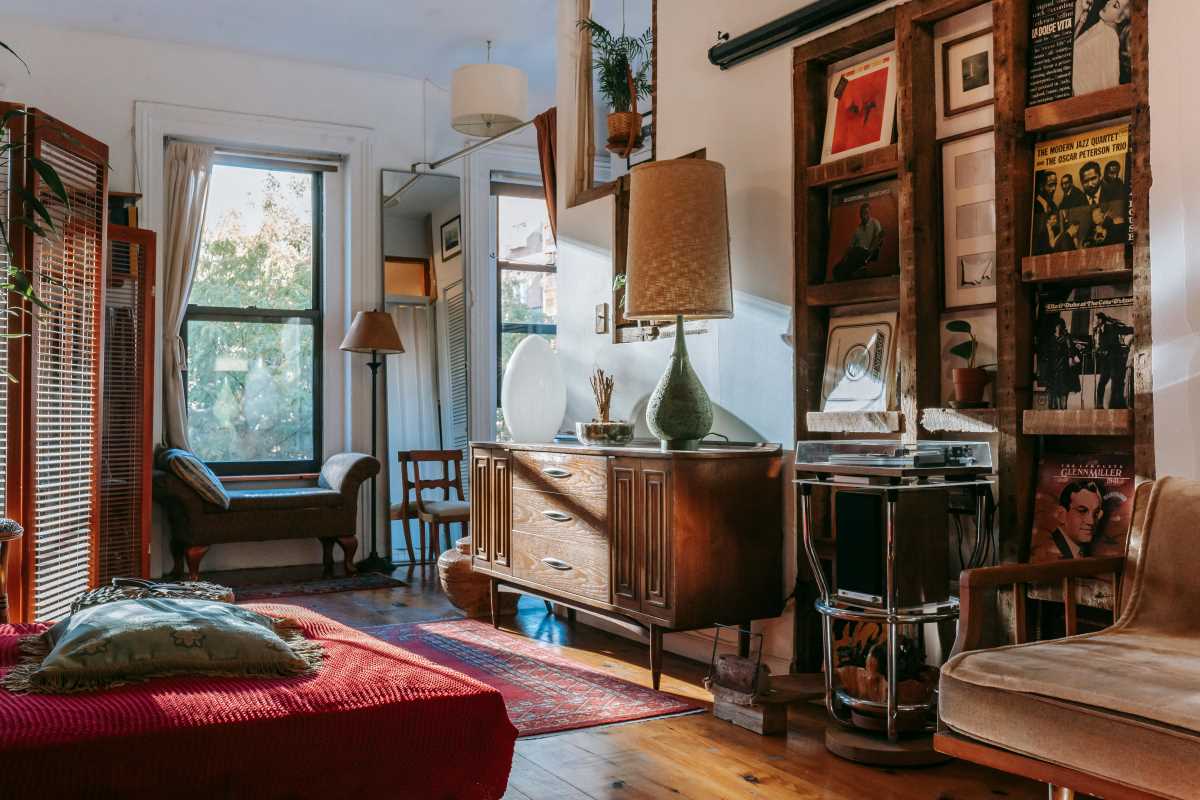
This design approach champions materials that age gracefully. Think of unlacquered brass hardware that dulls to a warm bronze over time, or leather armchairs that soften and crease with use. It celebrates the knot in the wood floor or the slightly irregular shape of a hand-thrown ceramic bowl. These "flaws" are what give a home its soul. They remind us that nothing is permanent and that there is beauty in the natural cycle of wear and repair.
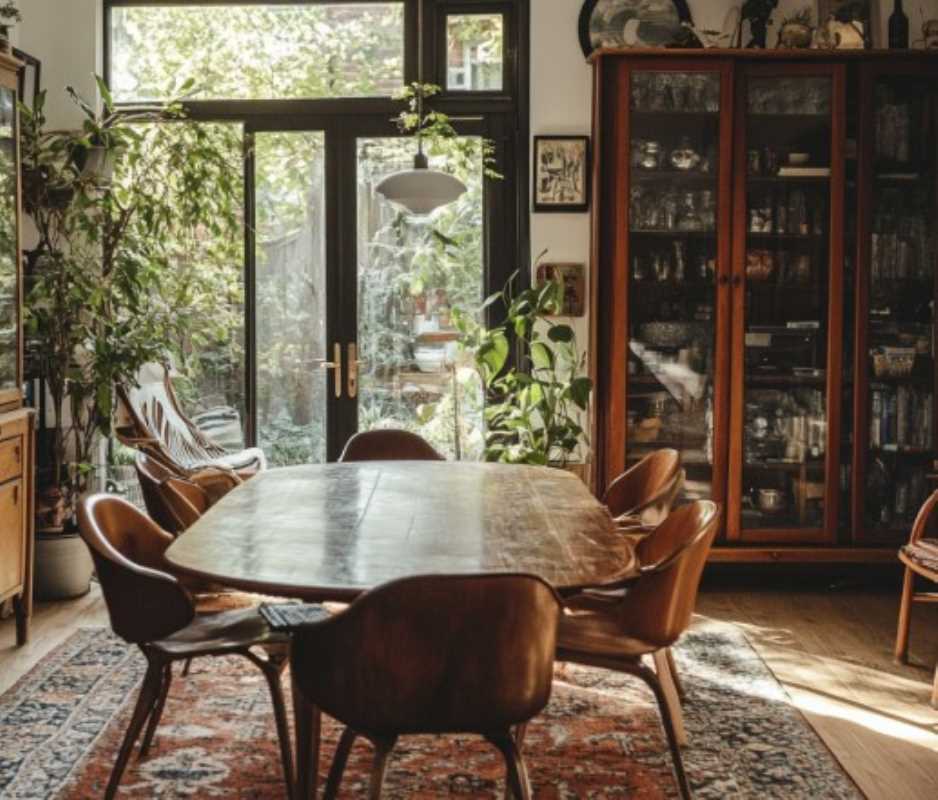
To bring this into your space, stop trying to hide the evidence of living. Leave the linen sheets slightly rumpled; it looks inviting, not messy. Display a collection of stones found on a beach rather than a mass-produced sculpture. Choose a dining table made of reclaimed wood where a new scratch just blends in with the history of the piece. When your home feels lived-in and authentic, you feel permitted to actually live in it without anxiety. It creates a profound sense of ease that is the very definition of calm.
The Grounding Power Of Terracotta And Clay
There is perhaps no material more literally "earthy" than clay. For thousands of years, humans have used baked earth to build shelters and vessels, and reconnecting with this material taps into a deep, ancestral comfort. Terracotta, with its rich spectrum of burnt oranges, rusty reds, and warm pinks, brings an immediate sense of warmth and vitality to a room. It is the visual equivalent of a hug.
Modern earthy design is moving away from the shiny, glazed tiles of the past and embracing matte, raw finishes. Terracotta floor tiles, known as Saltillo or tommettes, offer a soft, uneven texture underfoot that feels incredibly grounding. Unlike cold ceramic or stone, terracotta holds ambient heat, making it physically warmer to the touch. It creates a base for a room that feels solid and organic, connecting the interior space to the ground outside.
Beyond flooring, the use of clay plaster (or "limewash") on walls creates a stunning, velvety texture that paint simply cannot replicate. It interacts with light in a unique way, absorbing it rather than reflecting it, which creates a soft, shadowed ambiance perfect for bedrooms and living areas.
Here are a few ways to introduce the grounding energy of clay into your home:
- Statement Planters: Use large, unglazed terracotta pots for your indoor trees to bring that warm, rusty hue to eye level.
- Artisan Tableware: Swap generic white plates for hand-thrown stoneware in earthy tones.
- Tile Accents: Use zellige tiles (Moroccan clay tiles) for a backsplash; their irregularities catch the light beautifully.
- Wall Colors: Paint a feature wall in a "baked earth" tone like ochre or sienna to warm up a neutral room.
Biophilic Flow And Indoor Gardens
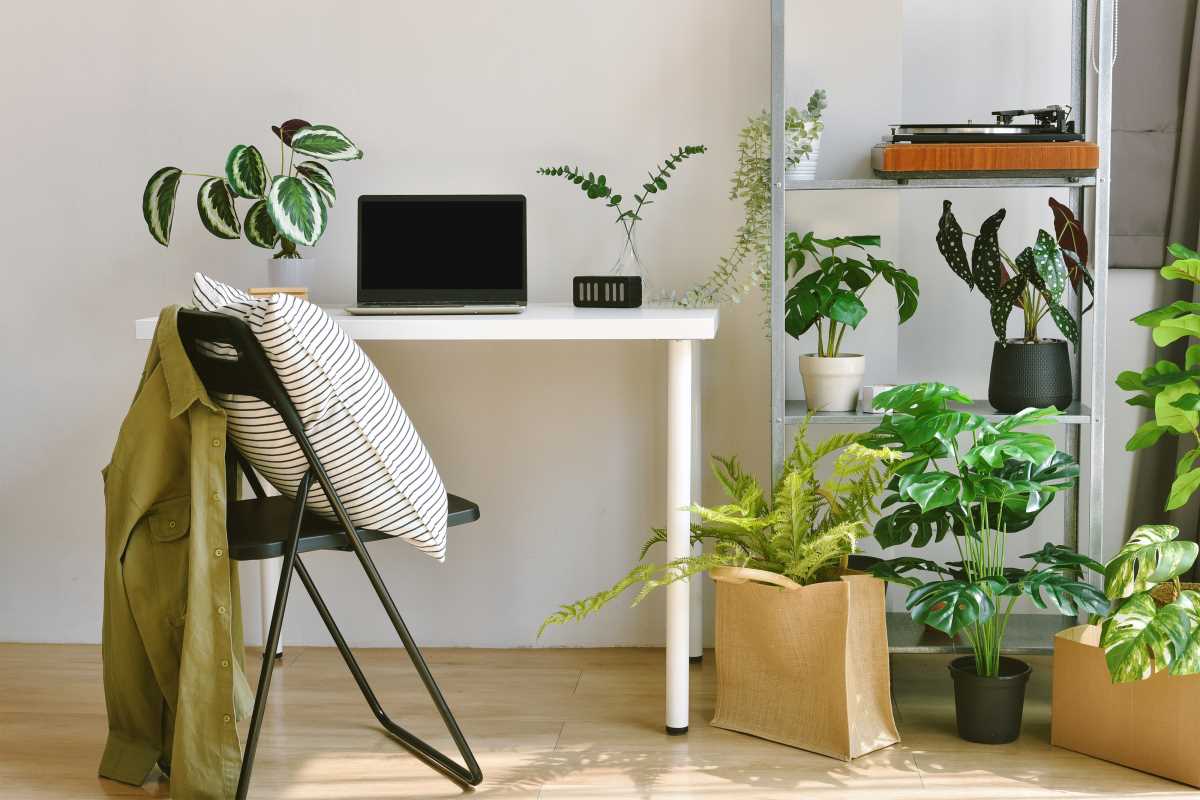
Biophilia is the innate human instinct to connect with nature and other living beings. In design, this translates to blurring the lines between the indoors and the outdoors. It is not just about putting a potted pothos in the corner; it is about creating a genuine indoor ecosystem that breathes life into your architecture. Plants are natural air purifiers and acoustic buffers, softening the hard edges of a room and reducing echo, which subconsciously calms the nervous system.
Awesome earthy design treats plants as architectural elements. A "living wall" of vertical greenery can transform a sterile hallway into a lush passage. Large, structural trees like Ficus, Olive, or Bird of Paradise can act as room dividers, creating intimate zones within an open floor plan without blocking light. The presence of vibrant green against natural wood and stone creates a palette that is instantly recognizable to our brains as a healthy, thriving environment.
But biophilic flow goes beyond plants. It is also about maximizing natural light and views. Arranging furniture to face windows rather than televisions invites the changing seasons into your daily routine. Using natural ventilation, opening windows to create cross-breezes, connects you to the climate and the sounds of the outdoors (hopefully the chirping of birds, not car horns). It is about designing a space that feels like a sheltered extension of the garden, rather than a sealed box separate from it.
The Tactile Comfort Of Raw Organic Textiles
In an earthy home, touch is just as important as sight. We spend so much of our lives touching smooth, cold screens that our fingers crave texture. Earthy design prioritizes textiles that feel real, substantial, and raw. We are talking about linen, wool, jute, hemp, and cotton, materials that come from plants and animals, not petrochemicals. These fabrics breathe, they have weight, and they have complex surface textures that engage our senses.
Linen is the superstar of this aesthetic. Its natural slubs and wrinkles give it a relaxed elegance that is impossible to fake. A linen duvet cover feels cool in summer and warm in winter, regulating body temperature for better sleep. Wool, whether in a chunky knit throw or a flatweave rug, adds acoustic dampening and a cozy, insulating layer. Jute and sisal rugs bring a rough, grassy texture that exfoliates bare feet and adds a golden, straw-like color to the floor.
Layering these textures is key. A room with a leather sofa, a wool rug, linen curtains, and a velvet pillow is infinitely more interesting and comforting than a room where everything is made of the same synthetic blend. The contrast between rough and soft, cool and warm, creates a sensory richness that makes you want to settle in and stay awhile. It signals to the body that this is a safe, comfortable place to rest.
Warm Minimalism With Natural Wood
Minimalism often gets a bad rap for being cold and clinical, but "warm minimalism" is a different beast entirely. It retains the clutter-free, organized principles of minimalism but swaps the chrome and glossy white for warm wood and soft neutrals. This is the backbone of many earthy homes, a clean, calm space where the warmth comes from the materials themselves rather than from an abundance of "stuff."
Wood is the essential ingredient here. Whether it is pale white oak, rich walnut, or honey-colored pine, wood brings a natural grain pattern that acts as a subtle, organic artwork. In an earthy design, wood is often left in a more natural state, matte, oiled, or soap-finished rather than encased in thick, shiny polyurethane. This allows the wood to breathe and continue to age, and it feels much nicer to the touch.
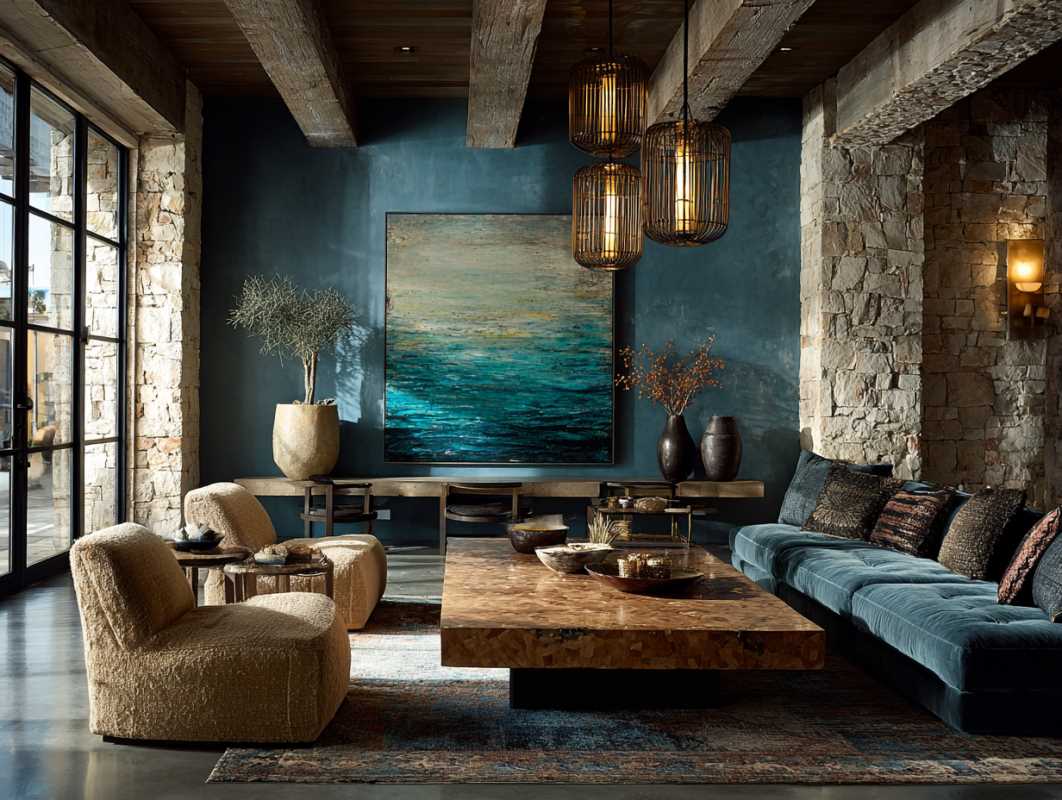
Using wood on the ceiling (like exposed beams or tongue-and-groove paneling) creates a primal sense of shelter, like being inside a tree. Wood cabinetry in the kitchen, devoid of ornate molding, lets the grain be the decoration. Even wood-paneled walls, once a relic of the 70s, are back in a big way, often installed vertically with thin slats to create texture and rhythm. By surrounding yourself with timber, you are essentially surrounding yourself with the forest. It dampens sound, softens light, and smells faintly of resin and earth. It is a material that has grounded human homes for millennia, and its power to induce calm remains undiminished.