 (Image via
There is a moment in the late afternoon, often referred to by photographers and romantics as the "golden hour," when the sun dips low and casts a warm, honey-colored glow across the floor. In that moment, even a pile of unwashed laundry or a cluttered coffee table can look like a masterpiece. This is the alchemy of natural light. It is the most powerful, versatile, and, best of all, free design element available to us, yet it is often the most overlooked. We spend fortunes on lamps, fixtures, and smart bulbs that promise millions of colors, forgetting that the giant burning star in the sky does a better job than all of them combined.
Transforming a house into a sanctuary isn't necessarily about buying expensive furniture or painting the walls a trendy color. It is about mastering the flow of daylight. Light dictates how a space feels, how big it looks, and, crucially, how we feel within it. Our circadian rhythms are hardwired to respond to the sun; we wake with its rise and wind down with its set. When we harness this natural cycle within our homes, we create environments that are not just visually stunning but physically and emotionally restorative.
A sanctuary is a place of refuge, and nothing creates a sense of peace quite like a sun-drenched room or a softly lit corner for reading. Whether you are living in a glass-walled modern marvel or a basement apartment with a single window, there are ways to manipulate and maximize the light you have. It is about understanding the physics of reflection, the psychology of brightness, and the art of knowing when to let the sun in and when to filter it out.
The Art Of Reflection And Mirror Placement
If natural light is the protagonist of your interior design story, then mirrors are the supporting actors that steal the show. The oldest trick in the designer’s book is still the most effective: using reflective surfaces to bounce light into the darker recesses of a room. However, simply hanging a mirror on a wall isn't enough; you have to be strategic about the angles. Think of it like a game of billiards where the sunbeam is the cue ball.
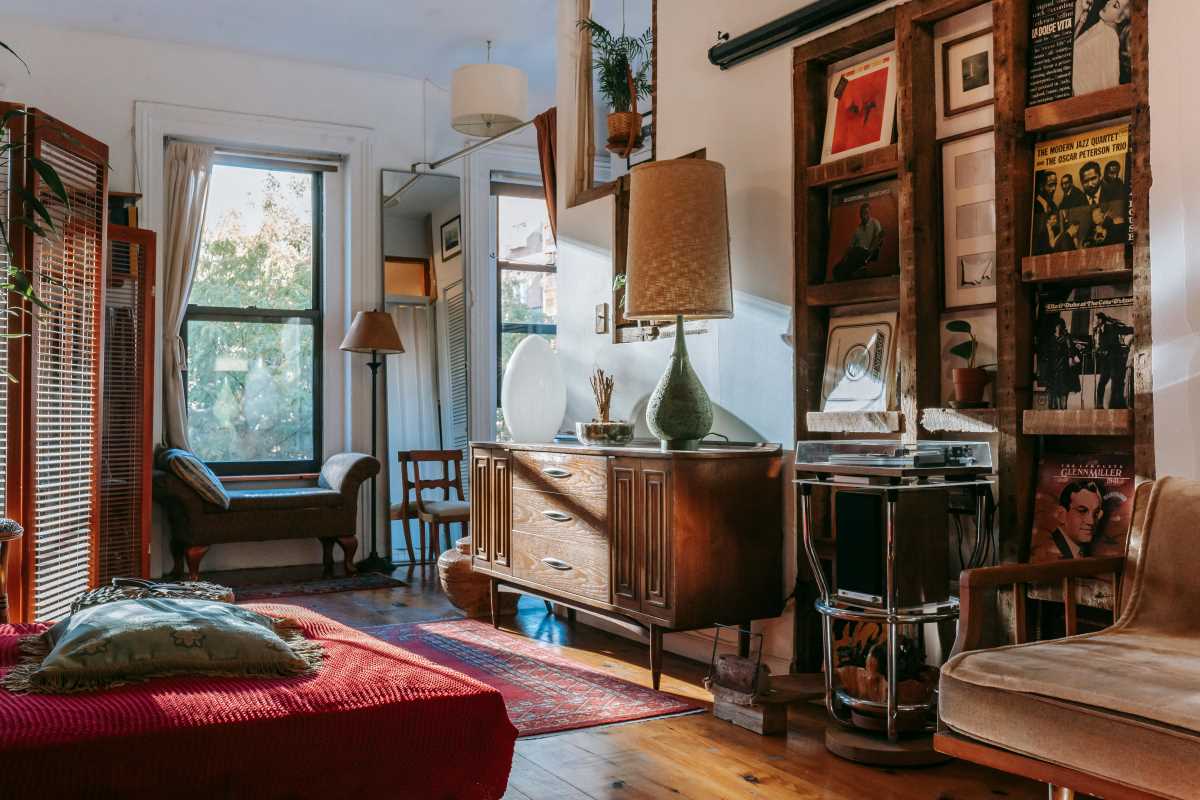
Placing a large mirror directly opposite a window is the classic move, effectively doubling the light source and creating the illusion of a second window. But don't stop there. Consider placing mirrors on adjacent walls to catch the light at different times of the day. A mirror placed perpendicular to a window can catch the morning sun and throw it sideways across a room, brightening a dark corner that would otherwise remain in shadow until noon.
It is not just about standard wall mirrors, either. Glossy finishes on cabinetry, glass tabletops, and even metallic accents like brass or chrome all play a role in bouncing light around. A high-gloss kitchen island can reflect the light from a garden window onto the ceiling, lifting the entire feel of the space. The goal is to keep the light moving, preventing it from getting "stuck" on matte, dark surfaces that absorb its energy. By guiding the light deeper into your home, you make the space feel airier, larger, and infinitely more welcoming.
Choosing The Right Window Treatments
The impulse for privacy often leads us to cover our windows with heavy drapes or thick blinds, effectively turning our homes into caves. While we certainly don't want the neighbors watching us eat breakfast in our pajamas, there is a middle ground between total exposure and blackout darkness. The key to a light-filled sanctuary is layering your window treatments to offer flexibility and control.
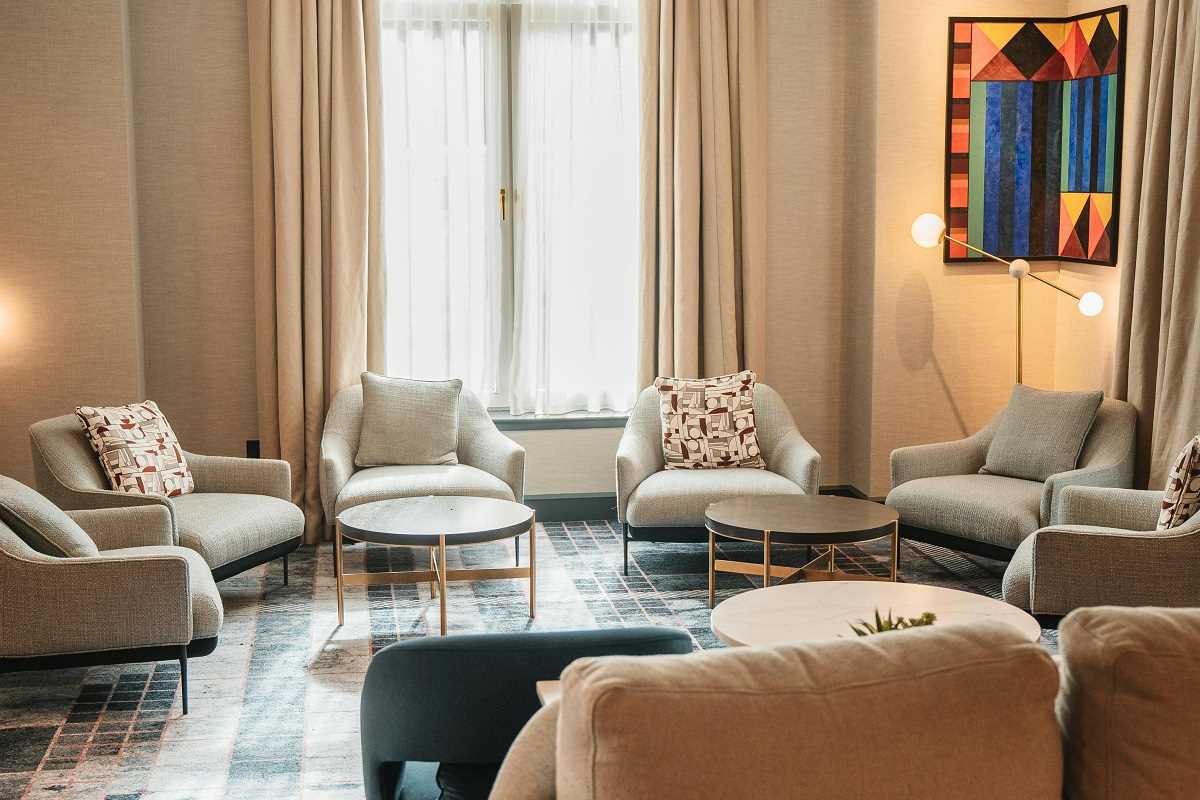
Sheer curtains are the unsung heroes of natural lighting. They act as diffusers, taking the harsh, direct glare of the sun and softening it into a gentle, flattering glow that spreads evenly throughout the room. This diffused light is perfect for relaxing spaces like living rooms and bedrooms, where you want brightness without the eye strain. Think of sheers as the soft-focus lens of interior design.
For times when you need more privacy or darkness, layer heavier drapes over the sheers. But here is the crucial tip: mount the curtain rod high and wide. By extending the rod well beyond the window frame, you can pull the drapes all the way back so they cover only the wall, not the glass. This maximizes the aperture of the window, allowing every possible photon of light to enter when you want it. It is a simple adjustment that can make a window feel twice as big and a room feel twice as bright.
Understanding Orientation And Color Temperature
Not all sunlight is created equal. The quality of light entering your home changes dramatically depending on which direction the window faces, and understanding this is vital for choosing the right color palette. A room that faces north receives a cool, bluish, indirect light that is consistent but never harsh. A south-facing room gets intense, warm, direct sunlight for most of the day. East captures the bright, white morning sun, while west gets the warm, golden (and sometimes glaring) afternoon rays.
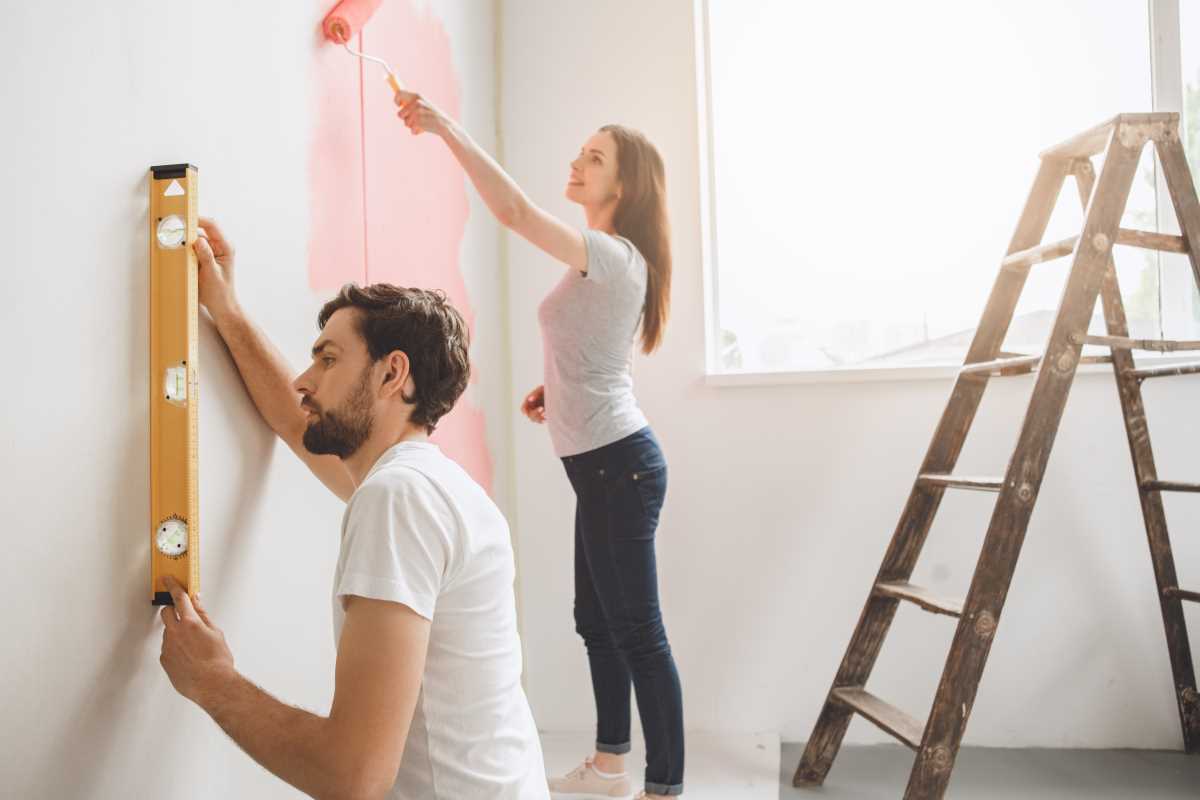
Trying to force a color scheme that fights the natural light is a recipe for a space that feels "off." For example, painting a north-facing room a cool gray can make it feel icy and depressing. Instead, counter the cool light with warm undertones, creams, soft terracottas, or warm beiges, to breathe life into the space. Conversely, a south-facing room can handle cooler blues and greens, which will balance the intensity of the sun and prevent the room from feeling too hot.
Here is a quick guide to matching paint with light direction:
- North-Facing Rooms: Embrace warm, saturated colors or whites with yellow/red undertones to counteract the cool, blue light.
- South-Facing Rooms: You have the most freedom here, but cool hues (blues, grays, greens) help balance the intense warmth.
- East-Facing Rooms: These rooms are bright in the morning and dimmer later. Soft blues and greens look great in the morning light, but warm lighting is needed for the evening.
- West-Facing Rooms: The afternoon light can be orange and intense. Avoid fiery reds or oranges unless you want the room to feel like a furnace; opt for neutrals that can handle the dramatic shift in light.
Bringing The Outside In With Biophilic Design
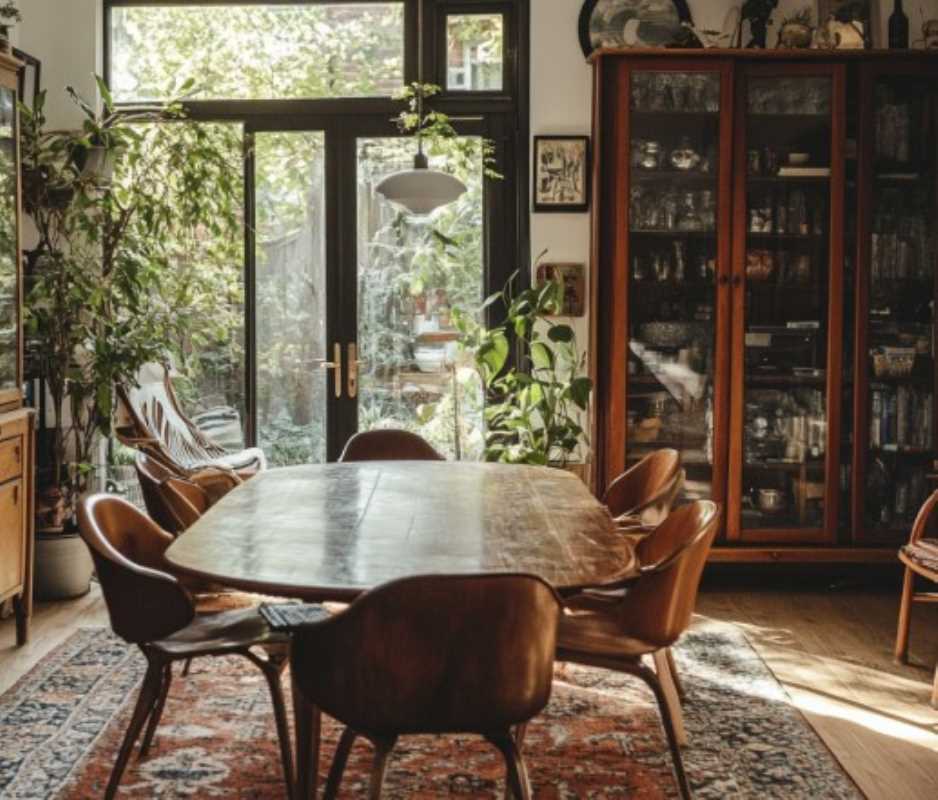
Plants are solar-powered sculptures. Placing greenery near your windows serves a dual purpose: the plants thrive on the light, and their leaves act as natural light filters, creating beautiful, dappled shadows that add texture and movement to a room. This is the essence of biophilic design, connecting our indoor environments to nature. Watching a sunbeam travel across the leaves of a Monstera or seeing the silhouette of a fern against a sheer curtain grounds us in the present moment.
The placement of plants can also help manage glare. A tall, leafy tree placed in front of a particularly bright window can break up the intensity of the light without blocking it entirely. It creates a visual buffer that is far more interesting than a blind. The vibrant green color also looks its absolute best in natural light, adding a burst of life that makes a room feel fresh and oxygenated.
Furthermore, keeping your windows clean and the view outside unobstructed is part of this strategy. Prune back any heavy bushes or low-hanging branches outside that might be stealing your light. The goal is to dissolve the barrier between inside and outside as much as possible. When the view is clear and the light is pouring in onto healthy, happy plants, the boundary of your "sanctuary" expands to include the natural world outside your window.
Creating Light Zones For Different Moods
We often think of lighting a room as a uniform task, flipping a switch to "on." But natural light is dynamic, and your home should have different zones that capitalize on this movement throughout the day. A breakfast nook in an east-facing corner capitalizes on the morning sun, energizing you for the day ahead. A reading chair in a west-facing spot is perfect for unwinding in the golden hour. By observing how light travels through your home, you can arrange your furniture to follow the sun.
Don't be afraid of shadows, either. A sanctuary needs contrast. A room that is evenly lit from corner to corner can feel like a hospital waiting room. The interplay of light and dark creates depth and coziness. Allow some corners to remain dimmer; these become retreats within the retreat, perfect for napping or meditation.
You can also use architectural elements to manipulate these zones. A skylight can transform a dark hallway or bathroom into an atrium-like space. Interior glass doors or transoms (windows above doors) allow light to borrow from one room and spill into another. It is about creating a fluid ecosystem of light where every photon is used to its full potential. By aligning your daily activities with the natural path of the sun through your home, you stop fighting against your environment and start living in harmony with it. That harmony is the true definition of a sanctuary.