 (Image via
We often talk about the visual language of a home, the color of the walls, the texture of the rugs, the arrangement of the furniture. We obsess over lighting schemes and debate the merits of open floor plans. But there is an invisible element of design that hits us the moment we walk through the door, long before our eyes have had a chance to register the decor. It is the scent. The way a home smells is its silent signature, a visceral signal that tells our brain whether we are in a sterile box, a chaotic mess, or a sanctuary of comfort.
Our sense of smell is directly hardwired to the limbic system, the part of the brain responsible for emotion and memory. That is why a whiff of woodsmoke can instantly transport you back to a childhood camping trip, or why the scent of baking bread makes a space feel safe and welcoming. While it is tempting to rely on chemical air fresheners or plug-ins that promise "Ocean Breeze" or "Vanilla Cupcake," these synthetic substitutes often fall flat, smelling cloying and artificial. To truly turn a house into a home, we need to turn to nature.
Natural fragrances are complex, subtle, and evolving. They don't just mask odors; they create an atmosphere. They have the power to energize us in the morning, calm us in the evening, and ground us in the seasons. Incorporating these scents is an act of intention, a way of curating the air we breathe just as carefully as we curate the art on our walls. Here are five natural fragrance sources that will transform the feeling of your home.
The Grounding Aroma Of Simmering Stovetop Potpourri
There is something ancient and deeply satisfying about the ritual of a simmer pot. It is the olfactory equivalent of slow cooking, a method that fills the house with a gentle, rolling scent that evolves over hours. Unlike a candle that burns in one spot, the steam from a simmer pot carries the fragrance into every nook and cranny of the home, humidifying the air in the process. It is a technique that feels particularly appropriate in the cooler months, turning the kitchen into the warm, beating heart of the house.
The beauty of a simmer pot lies in its versatility and its use of humble, everyday ingredients. You don't need expensive essential oils or rare botanicals. You simply need a pot of water and whatever scraps or spices you have on hand. It is a fantastic way to use up fruit peels that would otherwise go to the compost. The combination of citrus, spices, and herbs creates a complex, layered scent that smells like real life, not a factory.
Here are a few classic combinations to get you started:
- The Holiday Hearth: Cranberries, orange slices, cinnamon sticks, and a sprig of rosemary.
- The Fresh Cleanse: Lemon peels, fresh ginger slices, and a few drops of vanilla extract.
- The Deep Woods: Cedar clippings, pine needles (gathered from the yard), and bay leaves.
- The Spiced Apple: Apple cores and peels, cloves, and a star anise pod.
Just keep the heat on low and remember to top up the water every so often. It is a low-effort, high-reward way to make your home smell like someone has been baking all day, without the calories.
The Fresh Green Snap Of Eucalyptus
Eucalyptus is having a major moment in interior design, and for good reason. Visually, its silvery-green leaves are stunning, fitting perfectly into the "earthy modern" aesthetic. But practically, it is a powerhouse of natural fragrance. The scent of eucalyptus is distinctive, clean, medicinal, sharp, and incredibly refreshing. It clears the sinuses and the mind simultaneously. It is the scent of a high-end spa, bringing a feeling of cleanliness and restoration to any room it inhabits.
The most popular way to use eucalyptus is in the bathroom. Hanging a fresh bundle from the showerhead turns your daily rinse into a steam therapy session. The hot steam releases the essential oils from the leaves, filling the small space with a minty, camphorous vapor that wakes you up and helps you breathe easier. It transforms a mundane utility space into a personal retreat.
However, eucalyptus isn't just for the shower. A simple vase of fresh branches on a dining table or entryway console provides a subtle, continuous scent that greets guests with a "green" freshness. It cuts through stale air without being overpowering. As the leaves dry out, they retain their scent for weeks, eventually fading into a lighter, dustier aroma that is still pleasant. It is a low-maintenance botanical that looks beautiful as it ages, providing a sensory experience that feels both wild and refined.
The Warm embrace Of Beeswax Candles
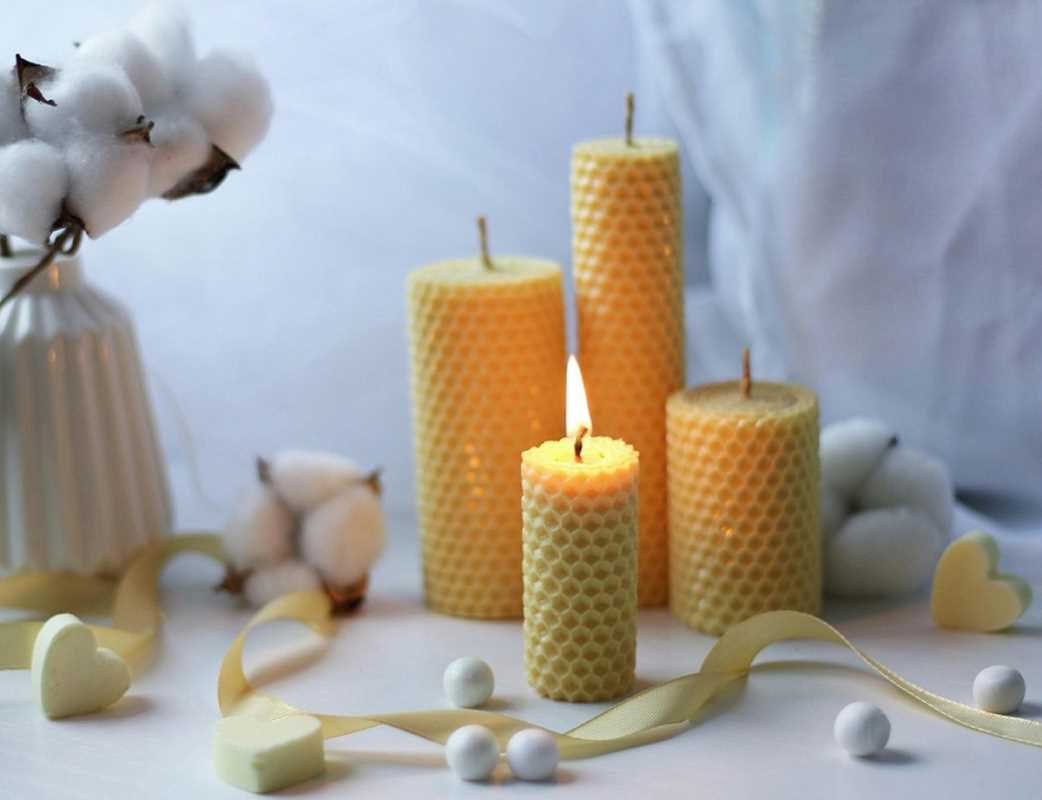
In the world of candles, beeswax is the gold standard. Most conventional candles are made from paraffin, a petroleum byproduct that can release soot and toxins into the air. Scented versions are often loaded with synthetic perfumes that can trigger headaches. Beeswax, on the other hand, is a completely natural, renewable resource created by bees. It burns cleaner, longer, and brighter than paraffin, emitting a light spectrum that is similar to sunlight.
But the real magic is the scent. Unscented beeswax candles are not truly unscented; they have a natural, subtle fragrance of warm honey and pollen. It is a sweet, earthy aroma that is incredibly comforting but never cloying. It doesn't scream for attention. Instead, it creates a backdrop of warmth that makes a room feel cozy and intimate. When you burn a beeswax candle, you are smelling the essence of the flowers the bees visited.
This natural fragrance is perfect for the dinner table because it won't compete with the smell of the food. It is also ideal for people who are sensitive to strong perfumes. The act of lighting a beeswax taper or pillar is a small ritual of grounding. The golden glow and the faint, sweet scent work together to signal to the brain that it is time to slow down. It brings a touch of the apiary into the living room, a reminder of the sweetness of nature.
The Bright Zest Of Dried Citrus Garlands
Citrus is the scent of sunshine. It is energetic, happy, and universally appealing. While fresh bowls of lemons and oranges look great, drying them concentrates their scent and turns them into beautiful, rustic decor that can last for years. A dried citrus garland is a traditional decoration that has found its way back into modern homes, adding a pop of color and a burst of fragrance that feels both festive and timeless.
The process of drying citrus slices, whether oranges, grapefruits, lemons, or limes, caramelizes the natural sugars and intensifies the essential oils in the rind. The result is a scent that is less sharp than fresh fruit; it is warmer, deeper, and slightly spicy. It smells like marmalade and winter holidays.
Stringing these translucent, jewel-toned slices into a garland and draping them over a mantel, a window, or a doorway releases this subtle aroma into the air. It is not a scent that will knock you over when you walk in; rather, it is a gentle presence. Every time you walk past, you get a faint waft of citrus warmth. You can layer the scent by adding cinnamon sticks or bay leaves to the garland. It is a visual and olfactory celebration of the harvest, bringing a natural, organic element to your walls that feels cheery and bright, even on the grayest days.
The Woody Depth Of Cedar And Sandalwood Incense
Incense often gets a bad rap, associated with overpowering patchouli and smoky dorm rooms. But high-quality, natural incense made from pure wood powders and resins is a completely different experience. Specifically, incense derived from woods like cedar, sandalwood, or palo santo offers a way to introduce a deep, woody, and resinous fragrance that literally "grounds" the space.
Wood scents are classified as base notes in perfumery. They are heavy, lingering, and stabilizing. They evoke the feeling of a forest floor or an old library. Burning a high-quality cedar incense stick smells like a crackling fire or a fresh pencil shaving, clean, dry, and woodsy. Sandalwood is creamier and sweeter, offering a meditative calm.
The key to using incense effectively is moderation and quality. Look for Japanese-style incense, which often has no bamboo core, meaning you are burning pure fragrance material with less smoke. Light a stick in the morning to set a calm intention for the day, or in the evening to mark the transition from work to rest. The smoke itself is visual, drifting in lazy curls that catch the light, adding another layer of sensory calm. The scent lingers on fabrics and rugs, leaving a subtle, pleasant afternote that makes the house feel lived-in and established. It creates a sacredness in the everyday, turning a living room into a place of contemplation and peace.