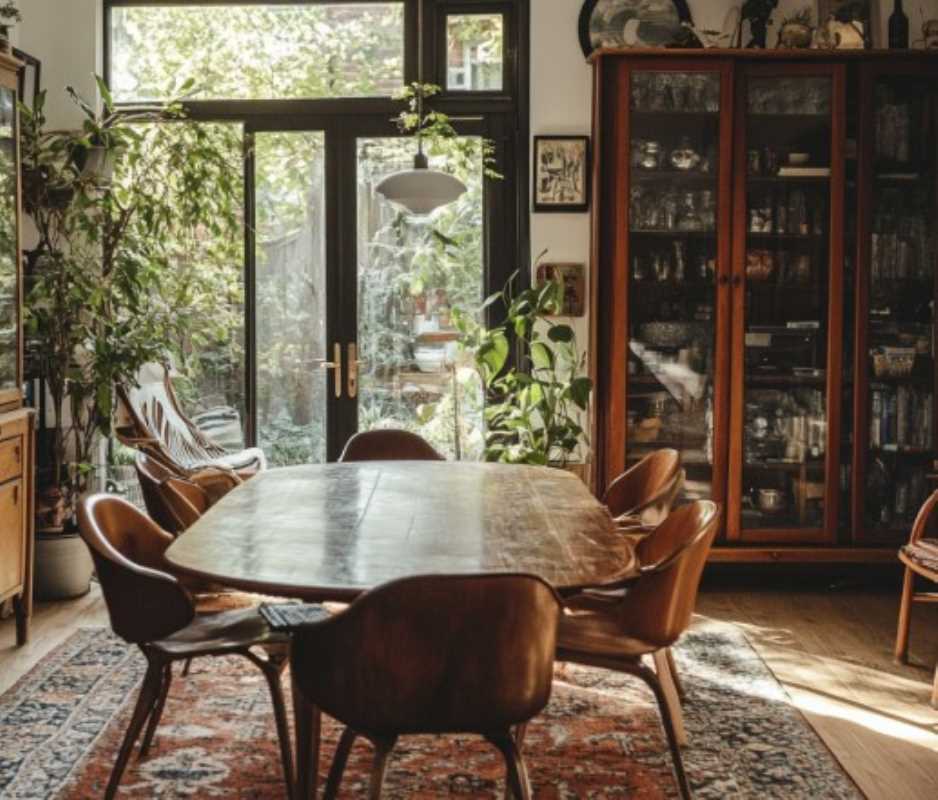
 (Image via
In a world of sleek minimalism, smart homes, and relentless digital pings, a new-old aesthetic has taken root. It smells like freshly baked bread, looks like a wildflower meadow, and feels like a handmade quilt. It’s called cottagecore, and it’s a gentle rebellion against the pace and pressures of modern life. Cottagecore is a romanticized vision of rural living, a yearning for a simpler, more self-sufficient existence that is deeply connected to nature.
But here’s the secret: you don’t need to actually own a cottage in the Cotswolds to embrace this charming trend. Cottagecore is less about your physical location and more about your state of mind and the atmosphere you cultivate within your home. It’s about finding beauty in the imperfect, joy in the handmade, and comfort in the cozy. It’s a design ethos that prioritizes warmth, nostalgia, and personal stories over sterile perfection.
Whether you live in a high-rise apartment or a suburban split-level, you can infuse your space with the whimsical, comforting spirit of cottagecore. It’s all about layering textures, embracing natural materials, and making your home a sanctuary for simple pleasures. If you’re ready to trade the hustle for a bit of homespun harmony, here’s how to make your home cottagecore.
Embrace Natural Materials And Imperfect Textures
At its heart, cottagecore is a celebration of the natural world. The first step in creating the look is to swap out the synthetic and the slick for materials that feel like they came from the earth. Think less plastic and chrome, and more wood, wicker, linen, and wool. These materials add a layer of warmth and texture that is essential to the cozy, lived-in feel of the aesthetic.
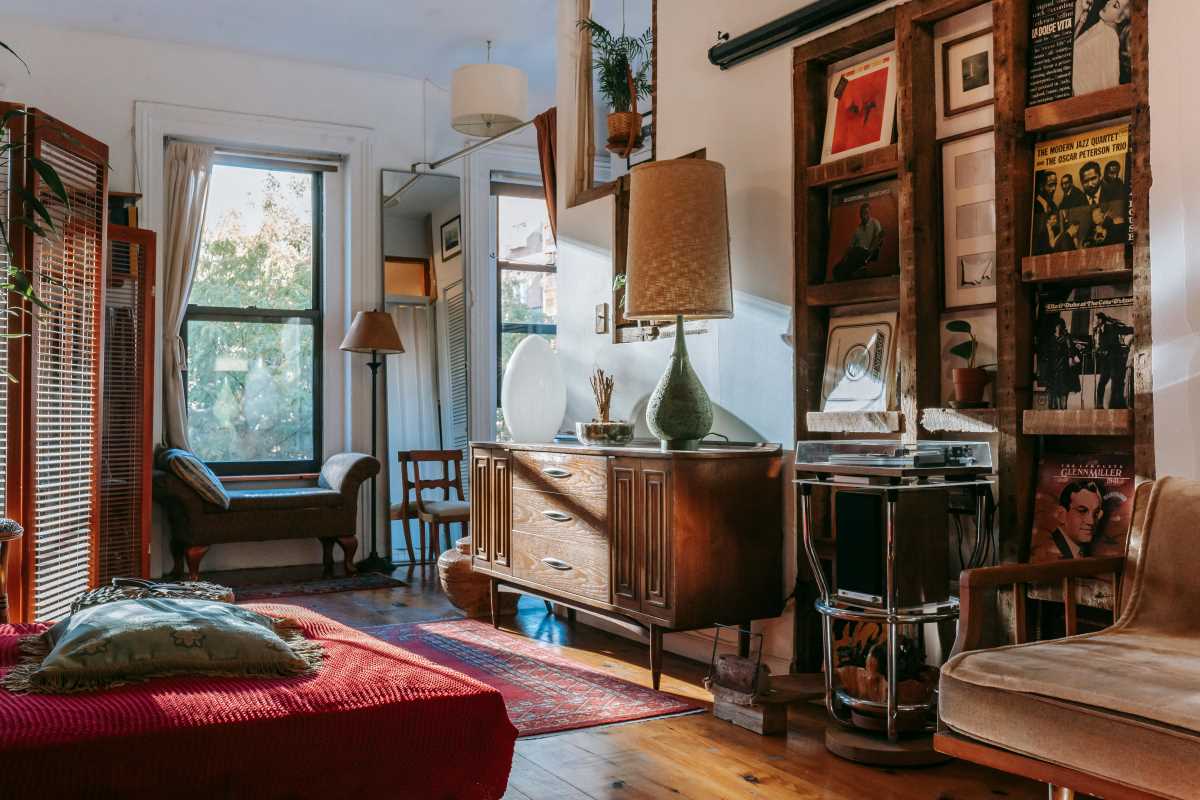
Look for furniture made from solid wood, whether it’s a rustic pine farm table or a vintage oak dresser. Don’t worry about perfection; a few scratches, water rings, or a slightly worn finish only add to the story and character of the piece. This is not the place for glossy, factory-perfect surfaces. The goal is to create a space that feels like it has evolved over time. Wicker or rattan baskets are perfect for storage, adding a touch of rustic texture while hiding away modern clutter.
When it comes to textiles, think soft, natural, and touchable. Layer your sofa with chunky knit wool blankets, linen throw pillows, and maybe even a handmade quilt. Choose cotton or linen curtains that are slightly sheer, allowing soft, diffused light to filter into the room. A well-worn rug, whether it’s a braided jute circle or a faded floral wool rug, can anchor a room and add another layer of cozy texture underfoot.
Cultivate A Collection Of Vintage And Found Objects
Cottagecore is the sworn enemy of the matching-set, big-box furniture store. A true cottagecore home feels like it has been lovingly curated over a lifetime, filled with objects that have a history and a soul. The best way to achieve this is by embracing the thrill of the hunt at flea markets, antique shops, and thrift stores. You are not just buying decor; you are adopting heirlooms.
Start by looking for mismatched floral china. A collection of delicate, mismatched teacups and saucers displayed on an open shelf is peak cottagecore. They are not just for show; use them for your morning tea or coffee to make a daily ritual feel a little more special. Look for vintage oil paintings of landscapes or pastoral scenes, even if the frames are a bit chipped. These add a sense of history and a window into an idealized countryside.
Here are a few other items to keep an eye out for on your treasure hunts:
- Aged Brass or Copper: Look for tarnished brass candlesticks, copper watering cans, or old brass picture frames.
- Embroidered Linens: Vintage tablecloths, napkins, or handkerchiefs with delicate hand-embroidery add a soft, personal touch.
- Old Books: A stack of cloth-bound books with faded covers adds instant intellectual coziness to any corner.
- Simple Pottery: Look for handmade ceramic pitchers, bowls, or crocks with simple glazes. They are perfect for holding flowers or kitchen utensils.
Each found object you bring into your home adds to its unique narrative, creating a space that is deeply personal and impossible to replicate.
Let Nature In With Botanicals And Florals
You can’t have cottagecore without a healthy dose of nature. Bringing the outdoors in is fundamental to the aesthetic, filling your home with life, color, and a connection to the seasons. This goes far beyond a single, sad succulent on a windowsill. Cottagecore calls for an abundance of plant life, both living and preserved.
Start by filling your home with houseplants of all shapes and sizes. Trailing plants like pothos or string of pearls look wonderful cascading down from a high shelf. A classic fern in a terracotta pot adds a touch of Victorian charm. Don't be afraid to let things get a little wild and overgrown. The goal is to create the feeling of a lush, indoor garden.
Fresh flowers are also a must. You don't need expensive, formal bouquets. A simple jam jar filled with wildflowers from a walk, a handful of cosmos from your garden, or even just a few interesting branches can bring life to a room. Dried flowers are another key element. Hang bunches of lavender, eucalyptus, or hydrangeas to dry from a peg rail or arrange them in a vintage pitcher. They provide lasting beauty and a subtle, natural fragrance. Finally, embrace floral patterns in your decor. Think wallpaper with a delicate botanical print, throw pillows with an English rose motif, or even your bedding.
Create Cozy Nooks For Simple Pleasures
The cottagecore lifestyle is about slowing down and romanticizing the small, quiet moments of daily life. Your home should be designed to encourage this. Instead of a single, large open-plan living area, think about creating smaller, dedicated "nooks" for specific, cozy activities. These are intimate spaces that invite you to curl up, relax, and unplug.
A window seat is the ultimate cottagecore feature. If you have one, pile it high with soft cushions and a warm blanket. It’s the perfect spot to read a book while watching the rain fall outside. If you don't have a built-in window seat, you can create one by placing a comfortable armchair and a small side table next to a window with a pleasant view. Add a good reading lamp, and you have your own personal library nook.
Think about other activities you want to encourage. Do you love to write letters? Set up a small writing desk in a quiet corner with a collection of nice stationery and a comfortable chair. Are you a knitter or an artist? Designate a comfortable spot with good lighting and baskets to hold your supplies. The idea is to create intentional spaces that make it easy and inviting to engage in your favorite analog hobbies.
Make The Kitchen The Heart Of The Home
In a cottagecore world, the kitchen is more than just a place to microwave leftovers; it is the warm, beating heart of the home. It’s a space for creation, nourishment, and gathering. It should feel functional, a little bit cluttered in a good way, and always ready for you to bake a loaf of bread or put on a pot of tea.
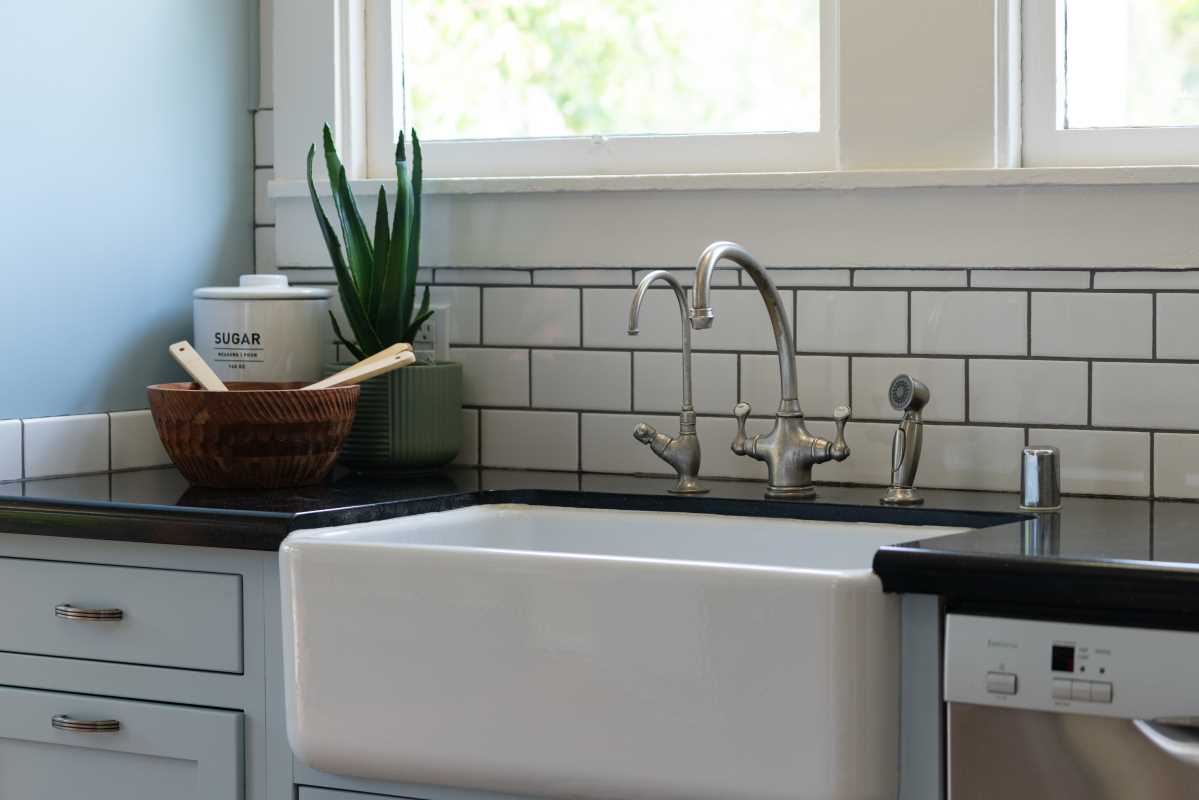
Open shelving is a hallmark of the cottagecore kitchen. Use it to display your collections of mismatched pottery, stacks of everyday plates, and glass jars filled with flour, sugar, and oats. Hanging pot racks are another great feature, keeping your pots and pans within easy reach while adding to the rustic, functional aesthetic. Let your tools become part of the decor. A crock filled with wooden spoons, a magnetic knife strip on the wall, and a well-used wooden cutting board left out on the counter all contribute to the feeling of a working kitchen.
Most importantly, a cottagecore kitchen is one that gets used. The aesthetic is intrinsically linked to the act of making things from scratch. Try baking a simple sourdough, making your own jam, or just cooking a slow-simmering soup. The smells that fill your home will do more to create a cottagecore atmosphere than any decor you can buy. It’s about embracing the slow, satisfying process of making food with your own hands and turning your kitchen into a true center of domestic creativity and comfort.