 (Image via
There is a distinct difference between a house that is simply located in a rural area and a house that is undeniably "country." One is a geographic designation; the other is a state of being. You can build a shiny, modern glass box in the middle of a cornfield, but that doesn't make it a country house. A true country house has a soul, a smell, and a very specific set of operational quirks that would baffle a city dweller. It is a home that has made peace with the dirt, embraced the chaos of nature, and prioritizes function over pristine aesthetics.
If you have ever found yourself apologizing to guests about the "animal smells" before they even walk in the door, or if your kitchen table is currently hosting a cardboard box of peeping chicks, you are already halfway there. But the indicators go deeper than just livestock proximity. A country house is defined by how it handles the elements, how it feeds its inhabitants, and how it welcomes, or weathers, visitors. It is a place where the line between "indoors" and "outdoors" is often blurred by a trail of muddy boots and a screen door that slams with the rhythm of a heartbeat.
Recognizing these traits isn't about identifying flaws; it's about celebrating a lifestyle that values resilience and hospitality above all else. Whether you are living on a hundred acres or just trying to cultivate a farmhouse vibe in the suburbs, here are the telltale signs that your home has fully embraced its country roots.
The Entryway Is A Shrine To Mud And Utility
In a suburban home, the foyer is a place of transition, often decorated with a nice rug and a console table holding a vase of fresh flowers. In a country house, the entryway, often called the mudroom, regardless of its actual size, is a tactical command center designed for war against the elements. It is not designed to be pretty; it is designed to catch the debris of the outside world before it ruins the carpet in the living room. If your front door is purely decorative and everyone you know enters through the side door, the garage, or the laundry room, you have a country house.
The floor of this space tells a story of seasons. In winter, it is a puddle of melting snow and road salt. In spring, it is caked with the heavy, clay-like mud that threatens to suck the boots right off your feet. In summer, it is dusted with grass clippings and dried hay. And speaking of boots, a country entryway is defined by its footwear collection. You won’t find delicate heels or pristine sneakers here. Instead, you will find a chaotic jumble of Muck boots, work boots, chore coats, and perhaps a rogue pair of waders.
The storage in this area is less about organization and more about containment. Hooks are overloaded with layers of Carhartt jackets, rain slickers, and flannel shirts that smell faintly of woodsmoke and diesel. There is likely a basket or a shelf dedicated entirely to "animal things", leashes, egg baskets, a flashlight for checking the coop at night, and maybe a bottle of fly spray. It is a space that says, "We work here," and it wears its grit like a badge of honor.
The Kitchen Is Built For Preservation Not Just Cooking
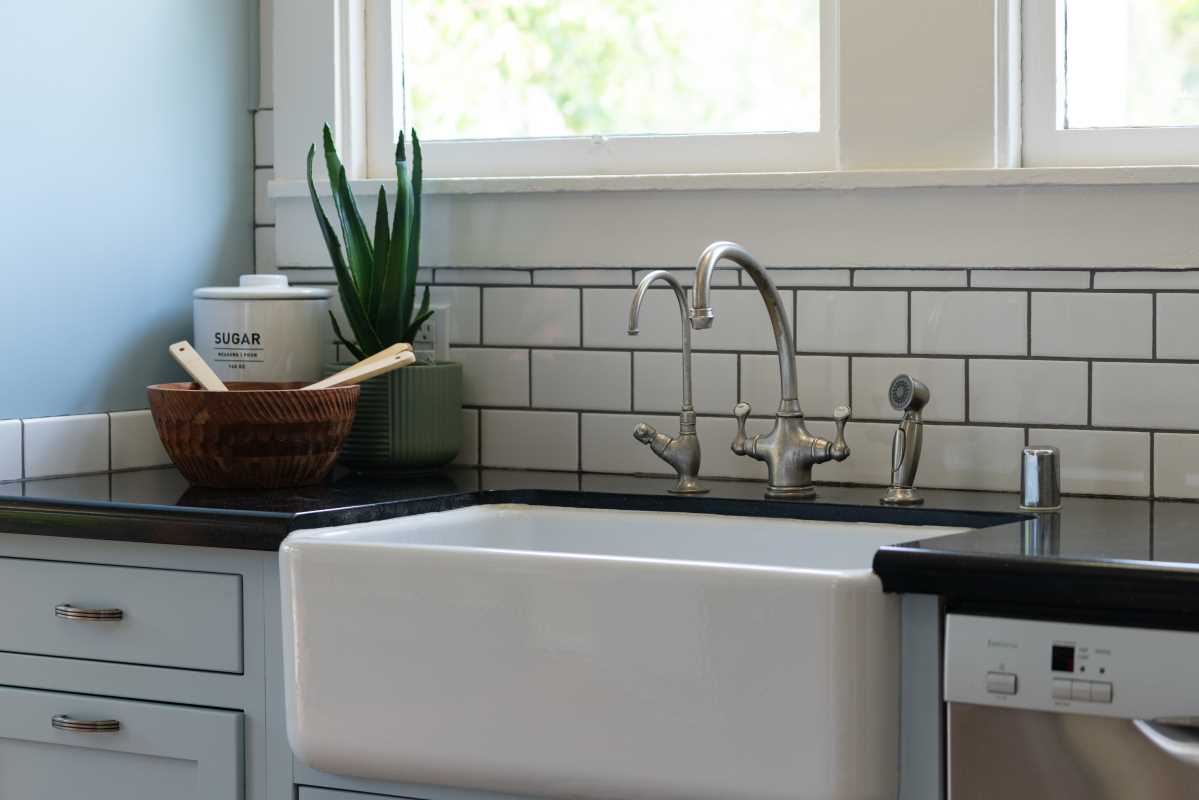
Walk into a modern city kitchen, and you might see sleek, empty counters and a refrigerator stocked with takeout boxes and almond milk. Walk into a country kitchen, and you are stepping into a processing plant. This room is the engine of the home, but it operates on a different scale. It isn't just about preparing dinner for tonight; it's about securing food for next February.
The counters in a country house are rarely empty. In August, they are covered in tomatoes waiting to be blanched and skinned. In October, there are crates of apples perfuming the air, waiting to be turned into sauce or cider. You know your house is country when you have specific equipment that lives permanently on your countertops because it is used too often to put away. We aren't talking about a toaster. We are talking about a vacuum sealer, a pressure canner, or a heavy-duty mixer that has seen more dough than a commercial bakery.
The pantry is another dead giveaway. It isn't just a place for snacks; it is a survival bunker. The shelves are lined with rows of Mason jars filled with things you grew, picked, and processed yourself. There are pickled beets, green beans, jams of every color, and perhaps some questionable-looking experiments in fermentation.
Here are a few items you will likely find in a true country kitchen:
- The Oversized Stockpot: For boiling corn, making broth, or canning huge batches of salsa.
- The Cast Iron Skillet: It never leaves the stove, it is never washed with soap, and it is older than your children.
- The Scrap Bucket: A dedicated bowl or pail on the counter for vegetable peels and eggshells, destined for the compost pile or the chickens.
- The Chest Freezer: Located in the basement or garage, filled with a quarter cow or a deer from last season.
The Furniture Has Stories And Scars
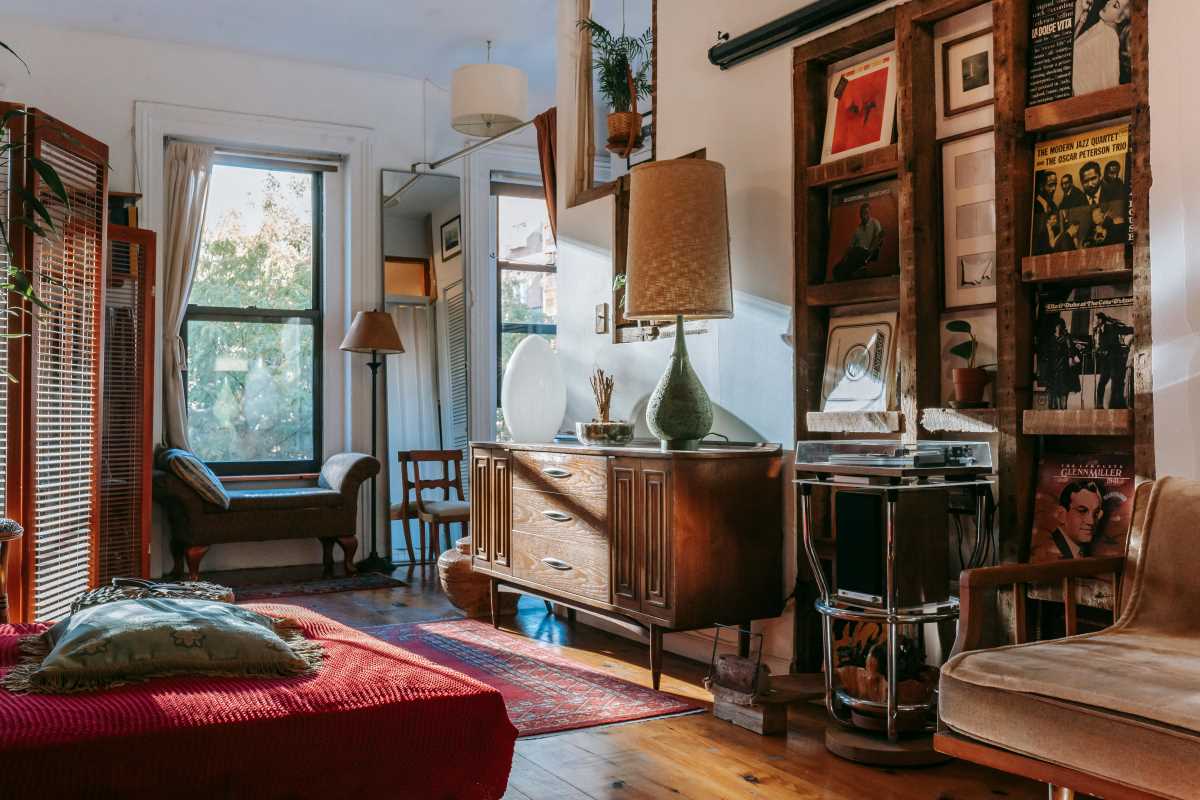
In a showroom, furniture is perfect. It is pristine, unblemished, and utterly devoid of character. In a country house, furniture is a member of the family, and like any family member, it has scars. You know your house is country when you can point to a scratch on the dining room table and tell the exact story of how it got there, perhaps a belt buckle, a pocket knife, or a particularly enthusiastic craft project.
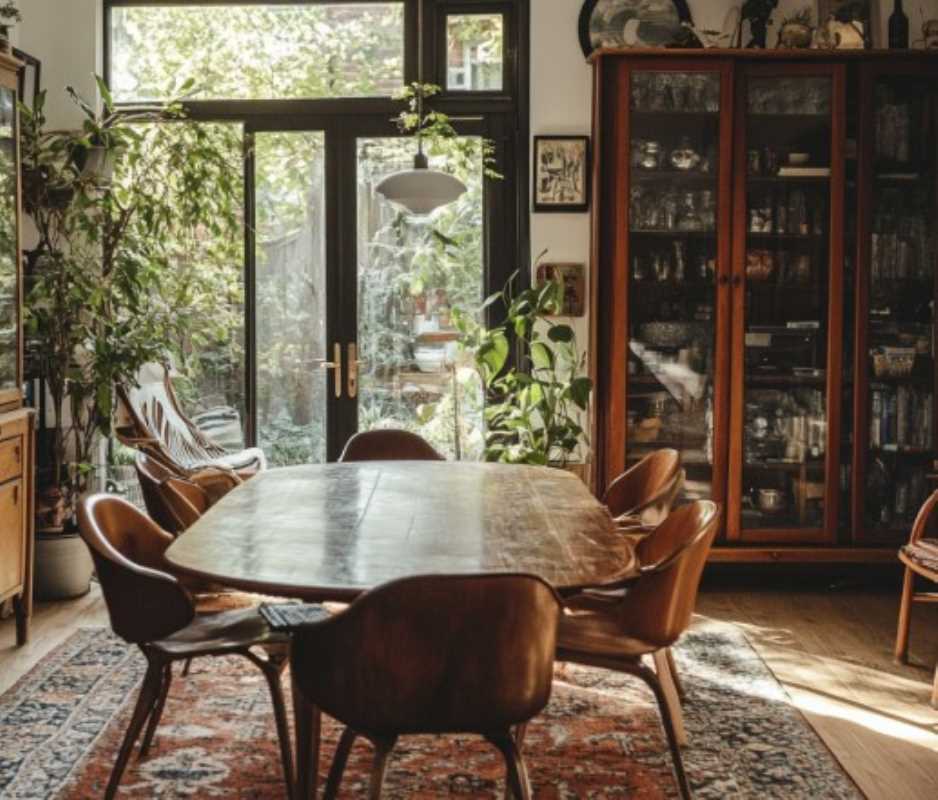
Country decor isn't about buying a matching set from a catalog. It is an accumulation of inheritance, auction finds, and roadside rescues. The dining chairs might not match, but they are sturdy enough to stand on when you need to change a lightbulb. The sofa is deep, comfortable, and possibly covered in a quilt because the dog is allowed on the furniture (even if you say he isn't). Surfaces are generally made of wood, stone, or iron, materials that age gracefully and look better with a bit of wear.
There is a distinct lack of "preciousness" in a country home. You won't find white linen sofas or glass coffee tables here. Everything is chosen for its durability. If it can't survive a muddy paw print or a spilled glass of iced tea, it doesn't belong. This creates a relaxed atmosphere where guests feel instantly at home. They don't have to worry about using a coaster or sitting up straight. The house itself seems to say, "Relax, I've seen worse."
The Yard Is A Work Zone Instead Of A Lawn
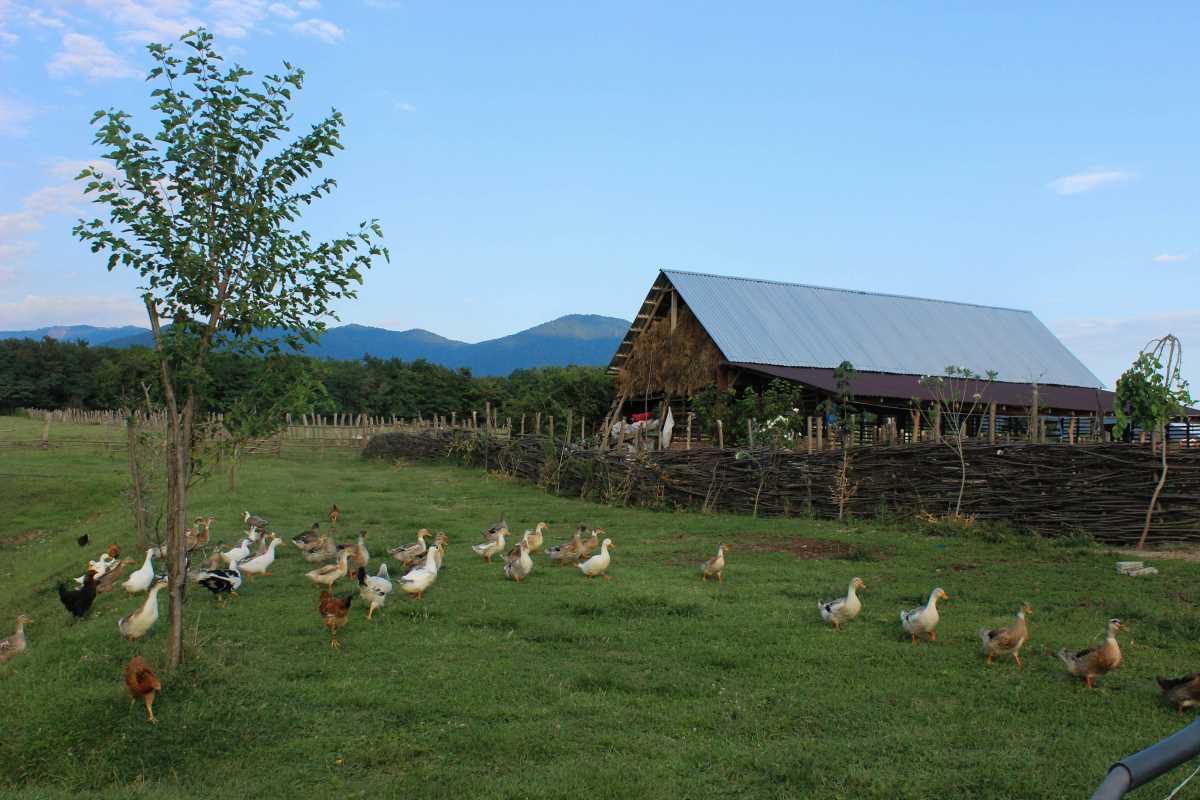
Suburban lawns are manicured carpets of green, intended for visual appreciation and perhaps a gentle game of croquet. A country yard is a dynamic, often chaotic, workspace. It is less about landscaping and more about land management. If your "lawn" is actually just a patch of weeds that you keep short enough to walk on, you are living the country life.
The auditory landscape of a country yard is unique. Instead of the hum of distant traffic, you hear the clucking of hens, the bark of a farm dog protecting his territory, or the mechanical roar of a tractor. There are distinct zones of activity. There is the garden, which is not a decorative flower bed but a fenced-in fortress designed to keep out deer and rabbits while producing massive amounts of zucchini. There is the woodpile, a towering architectural feat that represents warmth for the coming winter.
And then there are the "piles." Every country house has piles. There is a pile of scrap wood that "might come in handy someday." There is a pile of rocks dug out of the garden. There is a compost pile steaming in the corner. These aren't messes; they are resources in waiting. A country yard is a place of production, not just leisure. It’s where you fix the mower, chop the wood, and hang the laundry on a line because sunshine makes sheets smell better than any dryer sheet ever could.
The Heating Source Is A Central Relationship
In a city apartment, heat is a magic trick. You turn a dial on the wall, and the room gets warm. You have no relationship with the source of that heat; it is an invisible service. In a country house, heating is a relationship, a chore, and a lifestyle. If you heat with wood, you know this intimately. Your life revolves around the woodstove or the fireplace. You spend your weekends in the summer cutting, splitting, and stacking wood so that you can stay alive in January.
Even if you have a furnace, a country house often has a secondary heat source that draws everyone together. The woodstove is the heart of the home in winter. It is where the wet mittens dry, where the stew simmers during a power outage, and where the cat spends 90% of its life. There is a specific skill set involved in operating a country house’s heating system. You know exactly how to bank the coals so the fire lasts through the night. You know the difference between seasoning oak and pine.
This reliance on an active heat source changes the rhythm of the day. You wake up cold and build a fire before you make coffee. You check the woodbox before you go to bed. It connects you to the natural world in a visceral way. You aren't just adjusting a thermostat; you are participating in your own survival. It adds a layer of coziness that central air simply cannot replicate, creating a literal warmth that seeps into the bones of the house and everyone in it.