 (Image via
A country kitchen is more than just a style; it is the heart of the home, a space that effortlessly blends rustic charm with everyday practicality. It evokes a sense of warmth and welcome, where the smell of baking bread seems to linger in the air. This design philosophy prioritizes comfort and utility over sterile perfection, creating a room that is as well-suited for preparing a family feast as it is for lingering over a cup of coffee. The key to achieving this look lies in choosing elements that are hardworking and beautiful, reflecting a connection to tradition and a life well-lived.
Creating this timeless appeal does not require a sprawling farmhouse. The principles of country design, honesty in materials, a focus on craftsmanship, and a layout that encourages gathering, can be adapted to kitchens of any size. By thoughtfully selecting core features, you can cultivate an atmosphere that feels both lived-in and thoughtfully designed. This guide explores five essential country kitchen ideas that masterfully unite function and charm, providing practical tips to help you build a space that feels both nostalgic and perfectly suited for modern life.
The Enduring Appeal of a Farmhouse Sink
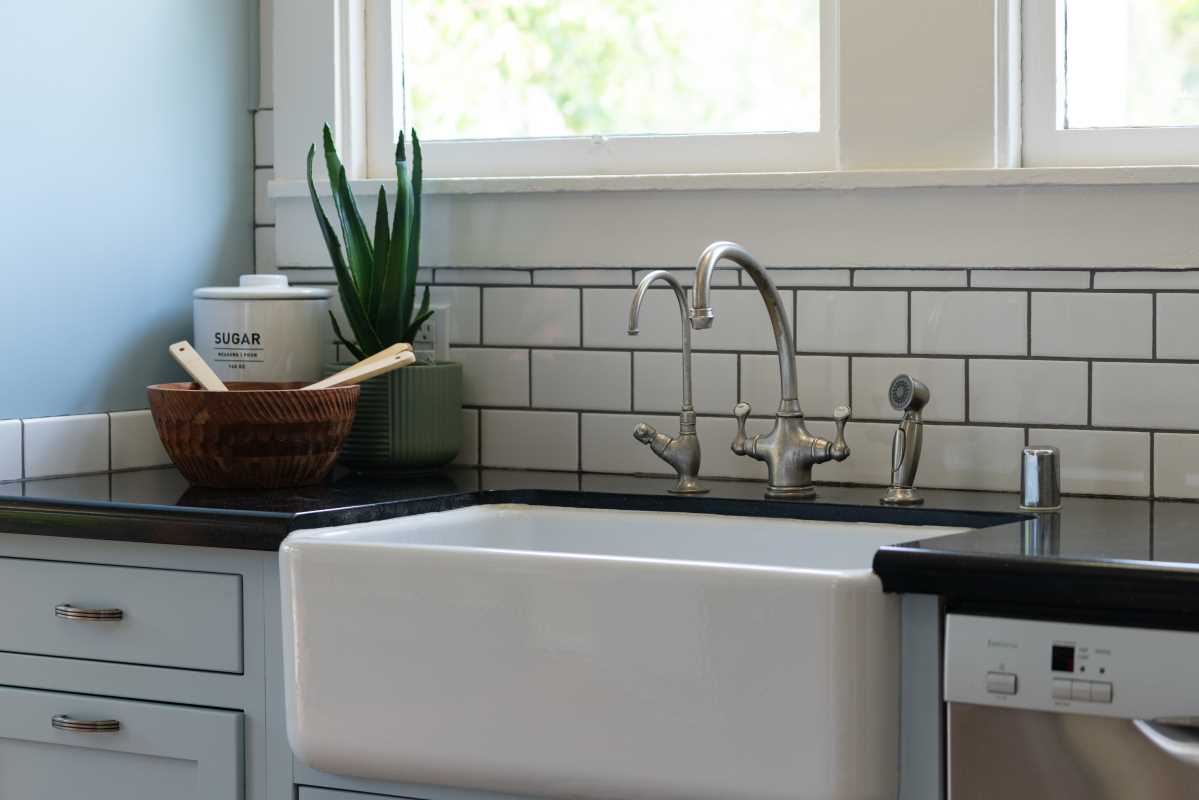
The farmhouse sink, also known as an apron-front sink, is arguably the most iconic element of a country kitchen. Its deep, wide basin is a nod to its utilitarian origins, designed for tasks far more demanding than rinsing a few dishes, from canning vegetables to bathing babies. This generous size makes it incredibly practical for modern use, easily accommodating large pots, pans, and baking sheets that are awkward to wash in a standard divided sink. The exposed front, or "apron," also serves a functional purpose, reducing the reach needed to access the faucet and minimizing water splashes on the cabinetry below.
Beyond its practical benefits, the farmhouse sink adds immediate character and a strong focal point to the kitchen. Traditionally made from durable fireclay or cast iron, its substantial presence provides a visual anchor that feels both rustic and refined. To incorporate this feature, consider how the material will complement your countertops; a crisp white fireclay sink pairs beautifully with butcher block for a classic look, while a soapstone or copper sink can add a darker, more historic feel. Even in a smaller kitchen, a single-basin apron sink can make the space feel larger and more open, proving that this hardworking feature is as much about charm as it is about capacity.
The Functional Beauty of Open Shelving
Open shelving is a hallmark of country kitchen design, replacing heavy upper cabinets with light, airy display space. This approach serves a highly practical purpose: it keeps everyday items like plates, bowls, and glasses within easy reach, streamlining the process of setting the table or grabbing a snack. This accessibility encourages a more efficient workflow, eliminating the need to constantly open and close cabinet doors. For a kitchen to feel truly functional, its most-used items should be the most accessible, and open shelving achieves this with simple elegance. It also forces a degree of organization, encouraging you to curate your dishware and keep clutter at bay.
From an aesthetic standpoint, open shelving provides a perfect opportunity to inject personality and charm into the kitchen. It allows you to display cherished collections, from colorful stoneware to vintage glassware, turning your functional items into a key part of the decor. To avoid a cluttered look, balance your everyday dishes with decorative pieces like small plants, cookbooks, or framed art. In smaller kitchens, open shelves are particularly effective as they create an illusion of spaciousness by not closing off the wall. Use reclaimed wood for a rustic feel or painted shelves that match the walls for a more seamless, modern country look.
The Versatility of a Freestanding Island or Table
Unlike the built-in, monolithic islands of contemporary kitchens, a country kitchen often features a freestanding island or a sturdy farm table as its central workspace. This approach offers incredible versatility and a more relaxed, unfussy aesthetic. A freestanding piece can be moved or repurposed as needed, offering flexibility that fixed cabinetry cannot. It can serve as a food prep station one moment, a casual dining spot the next, and a buffet for gatherings after that. Often made of wood with a worn patina, these pieces bring a sense of history and warmth to the room, looking more like cherished furniture than a kitchen utility.
Incorporating a freestanding island or table enhances both charm and function. A vintage workbench with a butcher block top can provide ample chopping space and storage below for pots and pans. In a more compact kitchen, a small, round antique table can offer a prep surface without overwhelming the floor plan. This element breaks up the uniformity of matching cabinets, adding a layer of visual interest. Look for pieces with character, scuffs, scratches, and all, as these imperfections contribute to the honest, lived-in feel that defines the country kitchen style. It becomes the natural gathering spot, inviting family and friends to pull up a stool and join in.
The Warmth of Natural Wood Countertops
In a style that celebrates natural materials, wood countertops are a classic choice that exudes warmth and authenticity. Butcher block, in particular, is a favorite for its functional and aesthetic qualities. It provides a durable, forgiving surface for food preparation and is naturally antimicrobial when properly maintained. Unlike cold stone or laminate, a wood counter adds a soft, organic texture to the kitchen that is inviting to the touch. The material develops a rich patina over time, with nicks and knife marks telling the story of the meals prepared upon it, which aligns perfectly with the country ethos of embracing imperfection.
Wood countertops are surprisingly versatile and can be integrated in various ways. You can use them throughout the entire kitchen for a cohesive, warm look, or use them on just an island to create a dedicated food prep zone that contrasts with other surfaces like soapstone or quartz. To maintain them, regular oiling is necessary to keep the wood from drying out and to protect it from stains. While this requires a bit of upkeep, the payoff is a beautiful, evolving surface that makes the kitchen feel more like a welcoming living space than a sterile laboratory. The natural grain and color variations ensure that no two countertops are exactly alike, adding unique character to your home.
The Charm of a Plate Rack or Pot Rail
Embracing the idea that function can be beautiful, country kitchens often display their tools and dishware openly. A wall-mounted plate rack is a charming and practical way to store and display your favorite dishes. Originally designed to allow wet plates to air dry, these racks keep your most-used dinnerware organized and easily accessible. A simple wooden rack mounted over a countertop not only frees up cabinet space but also adds vertical interest and a touch of rustic elegance. It turns a stack of simple white plates into a deliberate design element, celebrating the beauty in everyday objects.
Similarly, a pot rail, a metal bar with S-hooks for hanging pots, pans, and utensils, is a highly efficient storage solution borrowed from professional kitchens. Placing a rail above the stove or along a backsplash puts your most-used cookware right where you need it, saving you from digging through deep cabinets. The visual effect of gleaming copper pans or cast-iron skillets hanging in a row adds an immediate sense of a hardworking, "cook's kitchen." Both plate racks and pot rails are excellent for kitchens of all sizes, as they utilize vertical wall space, making them a smart choice for maximizing storage while simultaneously contributing to the room's authentic, functional charm.