 (Image via
In our fast-paced, digitally saturated world, our homes have become more than just shelters; they are our sanctuaries. We crave spaces that feel calming, authentic, and stable, a counterbalance to the chaos outside. This desire has given rise to a design philosophy centered on "grounding" a space, making it feel rooted, secure, and deeply comforting. While color palettes and furniture layouts play a role, the most powerful tool for achieving this feeling is texture. Specifically, it is the use of natural textures that connects our indoor environments to the tangible, imperfect beauty of the natural world.
These materials speak a language our senses instinctively understand. The rough feel of stone, the soft pile of wool, or the fibrous weave of jute, these are textures that don't just fill a space, they enrich it. They add visual weight, tactile interest, and an emotional depth that flat, synthetic surfaces simply cannot match. Incorporating them into your home is like inviting nature inside, creating an atmosphere that is both sophisticated and profoundly reassuring.
If you are looking to transform your house from a mere structure into a place that feels like a deep, restorative breath, texture is your most important ally. Here are five natural textures that have the power to make any house feel more grounded.
The Timeless Honesty Of Exposed Stone
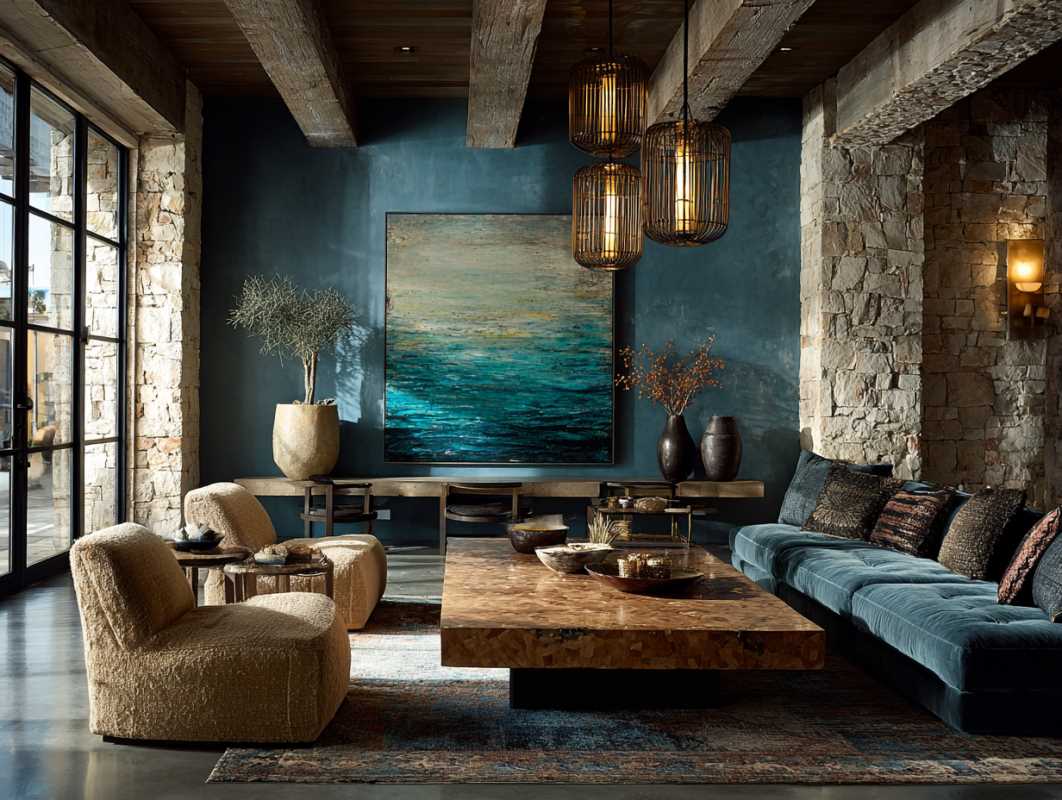
There is no material more grounding than stone. It is literally of the earth, a symbol of permanence, strength, and timelessness. Whether it is a rugged fieldstone fireplace, a sleek slate entryway floor, or a feature wall of exposed brick, stone introduces a weight and solidity that anchors an entire room. Its cool, textured surface provides a stunning contrast to softer materials like wood and fabric, creating a dynamic yet balanced environment.
An exposed stone or brick wall tells a story. Its variations in color, shape, and mortar lines create a tapestry of imperfections that are infinitely more interesting than a flat, painted wall. It catches the light in unique ways throughout the day, shifting from cool and shadowy in the morning to warm and radiant in the afternoon sun. This ever-changing quality makes the room feel alive and connected to the natural passage of time.
You don't need to live in a historic farmhouse to incorporate this texture. Modern design often uses stone to great effect, creating powerful focal points in minimalist spaces. A floor-to-ceiling slate fireplace in a living room with clean lines, for example, becomes a piece of natural sculpture. It is a reminder of the raw, powerful beauty that exists outside our climate-controlled walls, and it provides a sense of security and permanence that is deeply settling to the human psyche.
The Cozy Embrace Of Wool And Sheepskin
If stone provides a sense of cool, solid permanence, then wool and sheepskin offer the warm, soft embrace that makes a house feel like a home. These materials are the epitome of cozy. They are natural, breathable, and have a rich, tactile quality that begs to be touched. Draping a thick wool throw over a sofa or placing a plush sheepskin rug on a hardwood floor is an instant invitation to slow down, curl up, and get comfortable.
Wool is a remarkably versatile fiber. It can be woven into a chunky, nubby knit for a rustic throw blanket, a flatweave for a durable and sophisticated area rug, or a soft felt for decorative pillows. Its natural crimp gives it a wonderful springiness and resilience, while its insulating properties make it feel warm in the winter and surprisingly breathable in the summer.
Here is how you can use these textures to add instant warmth:
- Layering Throws: Don't just have one. Layer a fine merino wool throw with a chunkier knit blanket on your sofa or at the foot of your bed.
- Sheepskin Accents: A single sheepskin draped over a dining chair, an office chair, or a wooden bench immediately softens the hard lines and adds a touch of luxurious comfort.
- Wool Rugs: A thick, high-pile wool rug is a treat for bare feet and does wonders for a room's acoustics, absorbing sound and creating a quieter, more serene atmosphere.
- Felt and Bouclé: These wool-based fabrics are popular for upholstery and accent chairs, providing a soft, looped texture that is both visually interesting and incredibly comfortable.
Unlike synthetic fibers, wool and sheepskin have a natural weight and texture that feels substantial and real, grounding the space in comfort and quiet luxury.
The Rustic Weave Of Jute And Seagrass
For a texture that feels casual, coastal, and effortlessly connected to the earth, look no further than natural plant fibers like jute, seagrass, and sisal. Most often used for area rugs, these materials bring a dose of rustic, organic texture that can instantly relax a room's atmosphere. Their golden, sandy tones are a perfect neutral base, complementing a wide range of color palettes from bright and airy to dark and moody.
A large jute rug in a living room or under a dining table defines the space with a simple, unpretentious charm. The weave is beautifully imperfect, with knots and variations in color that add character. It feels wonderful underfoot, a gentle, massaging texture that connects you physically to the ground. These rugs are also incredibly durable, making them a practical choice for high-traffic areas like entryways and hallways.
Beyond rugs, these fibers can be found in storage baskets, light pendants, and even placemats. A set of woven water hyacinth baskets is a stylish way to wrangle clutter, adding texture while serving a practical purpose. A large, bell-shaped rattan or seagrass pendant light over a dining table creates a stunning focal point and casts a warm, dappled light. These woven elements introduce a handcrafted, artisanal quality to a space, reminding us of simpler, slower processes and connecting us to a global tradition of craft.
The Polished Patina Of Live-Edge Wood
Wood is a foundational element of grounded design, but "live-edge" wood takes it to another level. A live-edge slab is a piece of timber that retains the natural, uncut edge of the tree it came from. Instead of a straight, milled line, you see the organic curves, knots, and bark of the tree's original form. Using this type of wood for a dining table, a coffee table, or a fireplace mantel creates a powerful statement.
A live-edge piece is functional art. It forces you to acknowledge the material's origin, celebrating the unique character of a single tree. It is a direct link to the forest, bringing a piece of untamed nature right into your living room. The surface is often polished to a smooth, buttery finish, creating a beautiful juxtaposition between the wild, raw edge and the refined, touchable top.
This texture works by bridging the gap between the natural world and our curated indoor spaces. It demonstrates that the two are not mutually exclusive. A live-edge table doesn't just hold your dinner plates; it serves as a constant, tactile reminder of the beauty of imperfection and the strength of nature. It grounds a room by providing a focal point that is simultaneously rustic and incredibly elegant, a piece with a story and a soul.
The Understated Elegance Of Linen
Linen is one of the oldest textiles in the world, made from the fibers of the flax plant. It possesses a quiet luxury and an effortless, lived-in elegance that makes any space feel more relaxed and grounded. Unlike crisp, perfect cotton, linen has a natural, slightly rumpled texture that is part of its charm. It is a fabric that isn't trying too hard. It is breathable, durable, and gets softer with every wash.
Incorporating linen into your home is easy. Start with flowing linen curtains that diffuse sunlight beautifully, creating a soft, ethereal glow in a room. The way they move gently in a breeze adds a sense of life and airiness. A linen duvet cover on your bed offers a casual, inviting look that feels like a European farmhouse. It is cool to the touch in the summer and comfortably insulating in the winter.
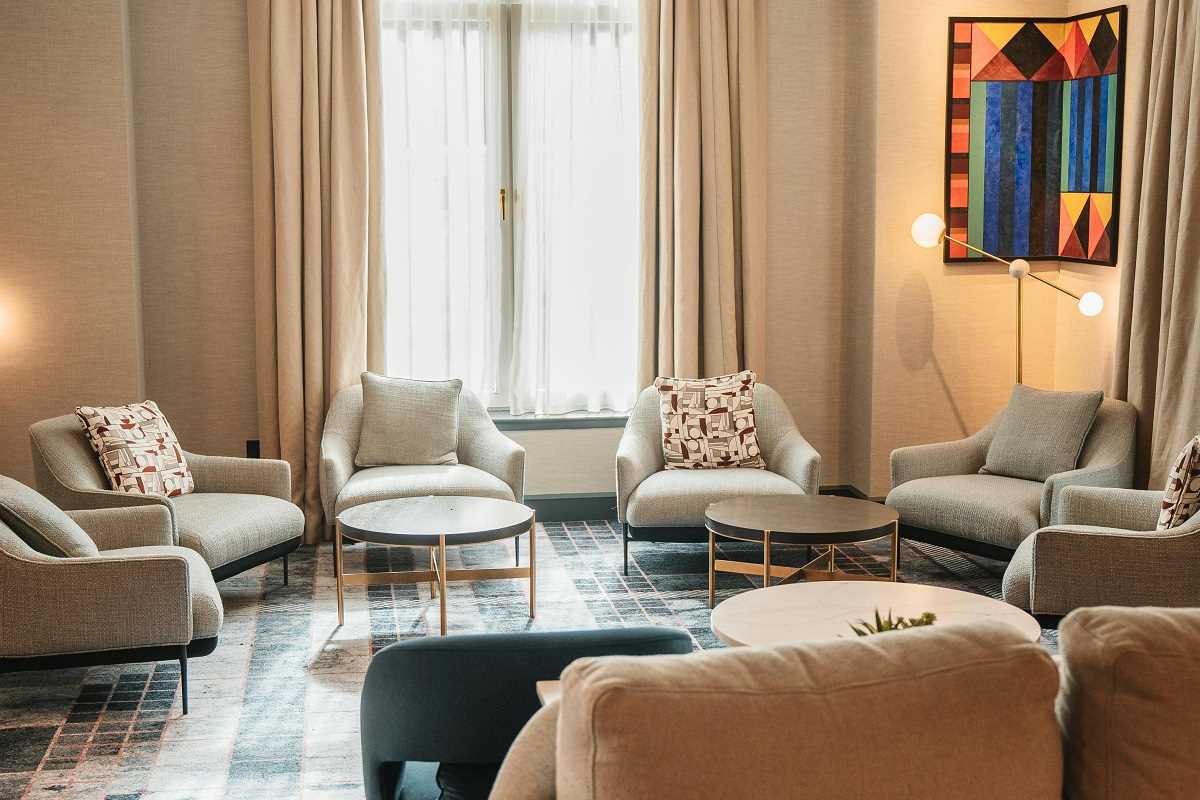
Even small touches, like linen napkins on a dining table or linen-covered throw pillows on a sofa, can have a big impact. The subtle slub and texture of the weave add a layer of visual interest that is sophisticated and understated. Linen grounds a space not with weight, but with a sense of calm and authenticity. It is a humble material that signals comfort, ease, and an appreciation for things that are beautifully and naturally imperfect.