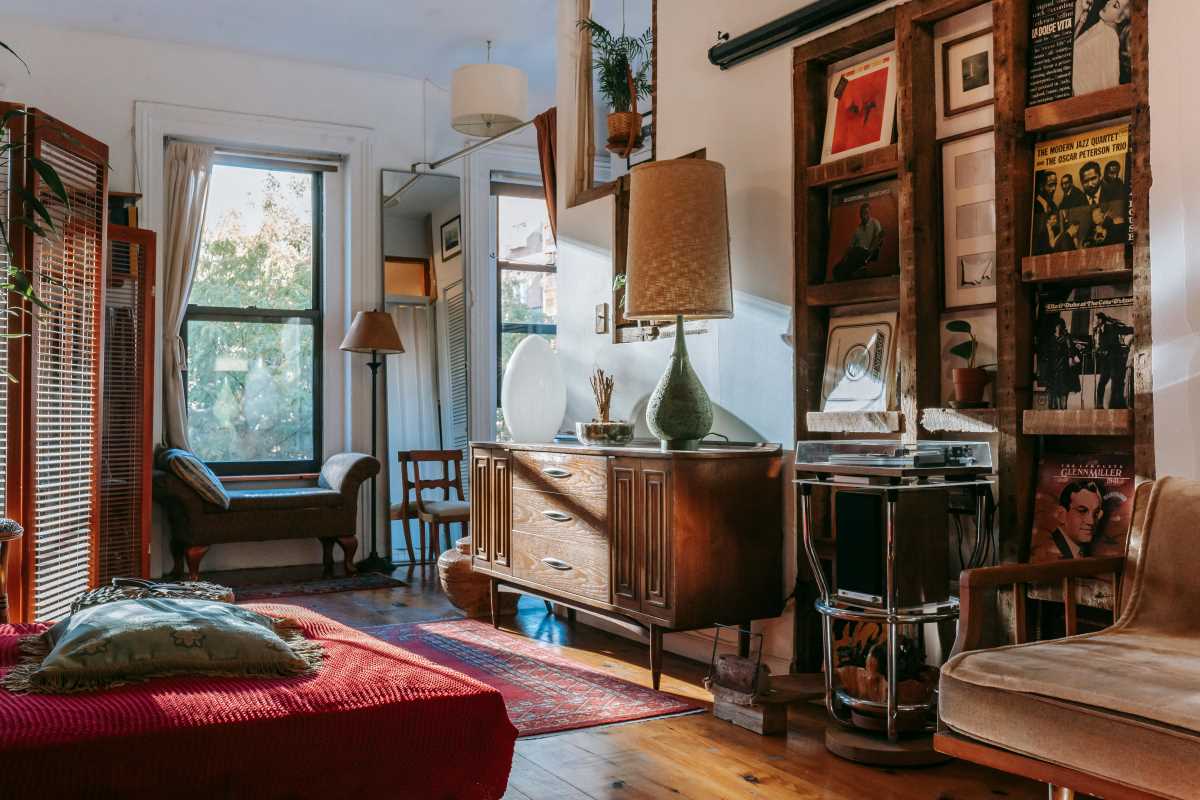
There is a special kind of magic in reclaimed wood. It is more than just lumber; it is a material with a past, a story etched into its grain. Each nail hole, saw mark, and weathered patina speaks of a former life, as a sturdy beam in a 19th-century barn, a floorboard in a historic factory, or a plank on a windswept pier. Bringing this wood into your home is like installing a piece of history, a tangible connection to a time when things were built to last.
Beyond its rich backstory, reclaimed wood is a champion of sustainability. By giving old timber a new purpose, you are diverting it from landfills and reducing the demand for new logging. It is a design choice that looks good and feels good. Its character is unparalleled; the deep, rich colors and complex textures developed over decades of exposure to the elements simply cannot be replicated with new wood and a coat of stain.
But how do you move beyond the ubiquitous accent wall and use this incredible material in fresh, stunning ways? Reclaimed wood is surprisingly versatile, capable of adding rustic charm to a farmhouse or a touch of organic warmth to a sleek, modern space. Here are five stunning home ideas that showcase the enduring beauty and creative potential of reclaimed wood.
Craft A Sliding Barn Door With Character
The sliding barn door has become a popular feature in modern interior design, prized for its space-saving functionality and rustic charm. Crafting one from reclaimed wood elevates this trendy feature into a timeless work of art. Instead of a pristine, factory-finished door, a reclaimed wood version offers a symphony of texture and color that serves as a dynamic focal point, whether open or closed.
Imagine a door made from weathered gray barn siding, its silvery tones complementing a cool, contemporary color palette. Or picture one constructed from heart pine salvaged from an old industrial building, its warm, reddish hues glowing in a cozy living room. The beauty is in the imperfections. The very knots, cracks, and color variations that would be rejected in new lumber become the star features. You can arrange the planks horizontally for a modern feel, vertically for a classic look, or in a chevron or herringbone pattern for a bold, graphic statement.
Paired with matte black industrial hardware, a reclaimed wood barn door becomes a functional sculpture. It can separate a living room from a home office, conceal a pantry in a kitchen, or create an elegant entrance to a primary suite. It is more than just a door; it is an interactive piece of history that adds architectural interest and a powerful dose of character to any room.
Build A Kitchen Island That Tells A Story
The kitchen island is the undisputed hub of modern home life. It is where meals are prepped, homework is done, and guests congregate. Cladding this central feature in reclaimed wood or topping it with a reclaimed butcher block turns it from a generic piece of cabinetry into the heart and soul of the kitchen. It infuses the space with a warmth and texture that sterile materials like quartz or laminate simply cannot match.
A kitchen island built from reclaimed oak, maple, or even old bowling alley lanes becomes incredibly resilient and forgiving. The inevitable dings from pots and pans or scratches from daily use do not mar the surface; they simply add to its evolving patina. It becomes a living surface that records the history of the family that gathers around it.
Here are a few ways to use reclaimed wood for a stunning island:
- Waterfall Edge: Use reclaimed planks to wrap the base and continue them seamlessly down the sides to the floor for a dramatic, modern look.
- Mixed Materials: Pair a reclaimed wood base with a sleek concrete or soapstone countertop for a beautiful contrast of rustic and industrial styles.
- Butcher Block Top: A thick, end-grain butcher block made from salvaged wood is not only beautiful but also a highly functional food-prep surface.
- Contrasting Inlays: Use different species of reclaimed wood to create an intricate inlay pattern on the countertop or side panels.
This application makes the kitchen feel less like a sterile workspace and more like a warm, welcoming pub or farmhouse kitchen, inviting everyone to pull up a stool and stay a while.
Frame Your Space With Exposed Beams
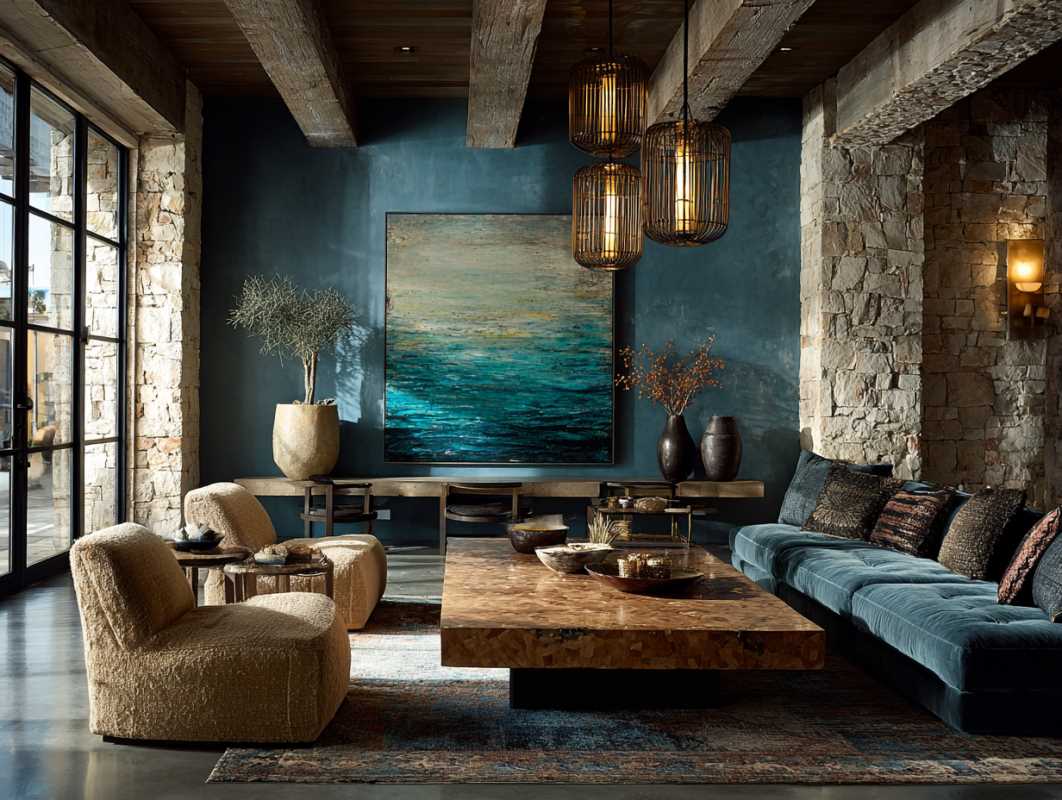
There is something deeply comforting about looking up and seeing solid wood beams. In many older homes, these structural elements are already hidden behind drywall. Exposing them can dramatically transform a room, adding architectural interest, height, and a profound sense of history. For homes without existing beams, adding non-structural, hollow box beams made from reclaimed wood is a fantastic way to achieve the same stunning effect.
Reclaimed beams bring an unmatched level of authenticity. Whether they are rough-hewn with visible adze marks or smoother timbers showing the tight grain of old-growth forests, they immediately ground a space. They can define the zones within an open-concept floor plan, drawing a visual line between the kitchen and living area. In a bedroom, they can make the ceiling feel higher while adding a cozy, rustic element.
The key is to let the wood's character shine. Don't try to sand them to perfection or stain them into a uniform color. Celebrate the mortise pockets, the peg holes, and the weathered texture. These beams create a natural canopy that provides a sense of shelter and permanence, turning a simple ceiling into a room's most impressive feature.
Design A Headboard Wall For A Rustic Retreat
Your bedroom should be a sanctuary, a place of rest and retreat. Creating a feature wall behind your bed using reclaimed wood is a powerful way to establish a serene, nature-inspired atmosphere. This goes beyond a simple headboard; it is an entire architectural statement that anchors the bed and sets a calming tone for the entire room.
The visual and tactile warmth of the wood makes the space feel instantly cozier. You can run the planks horizontally to make the room feel wider or vertically to draw the eye up. A popular and visually striking choice is to install the wood in a herringbone pattern, which adds a sense of dynamic movement while still feeling orderly and calm.
The beauty of a reclaimed wood wall is that it serves as its own artwork. The natural variations in the wood provide all the visual interest you need, reducing the need for other wall decor. Simply mount a pair of minimalist sconces on the wood to cast a warm, ambient glow, and you have created a hotel-worthy retreat. It is a design move that feels both luxurious and earthy, perfectly blending comfort with a strong connection to the natural world.
Construct Custom Shelving That Blends Form And Function
Forget flimsy particleboard bookcases. Custom shelving built from thick planks of reclaimed wood offers a solution that is both incredibly durable and strikingly beautiful. This is a chance to turn everyday storage into a design feature, adding character to a living room, home office, or kitchen.
Imagine floating shelves made from two-inch-thick reclaimed oak, their live edges adding an organic curve to the wall. These are perfect for displaying pottery, books, and plants, with the wood itself being as much a part of the display as the items on it. In a kitchen, open shelving made from salvaged wood provides a rustic, accessible way to store dishes and glassware, breaking up the monotony of solid upper cabinets.
For a more industrial look, pair reclaimed wood shelves with black iron pipe fittings. This style is easy to assemble and customize, allowing you to build a floor-to-ceiling unit that perfectly fits your space. The combination of warm, aged wood and cool, dark metal is a classic pairing that works in almost any decor style. These shelves are not just for holding things; they are sturdy, soulful pieces of furniture that celebrate the beauty of raw materials.