We live in an era of curated feeds and staged interiors, where homes often look more like showrooms than sanctuaries. While these spaces are undeniably beautiful, they can sometimes feel sterile or unapproachable, lacking the warmth of a life truly lived. An "honest" home is different; it prioritizes authenticity over perfection and comfort over trends. It is a space that tells the story of its inhabitants, embracing imperfections and celebrating the messy, beautiful reality of daily routines. Creating this feeling doesn't require a renovation or a large budget, but rather a shift in perspective toward embracing what is real and meaningful.
An honest home welcomes you with open arms, offering a sense of ease that allows you to exhale the moment you walk through the door. It is built on the philosophy that your living space should serve you, not the other way around. By incorporating small, genuine touches, you can strip away the pretense of flawless design and reveal the heart of your home. Whether it is through objects that carry history or the visible evidence of your hobbies, these elements ground a space in reality. Here are five ways to cultivate that sense of authenticity and keep your home feeling grounded and true.
Embracing the Patina of Well-Loved Furniture
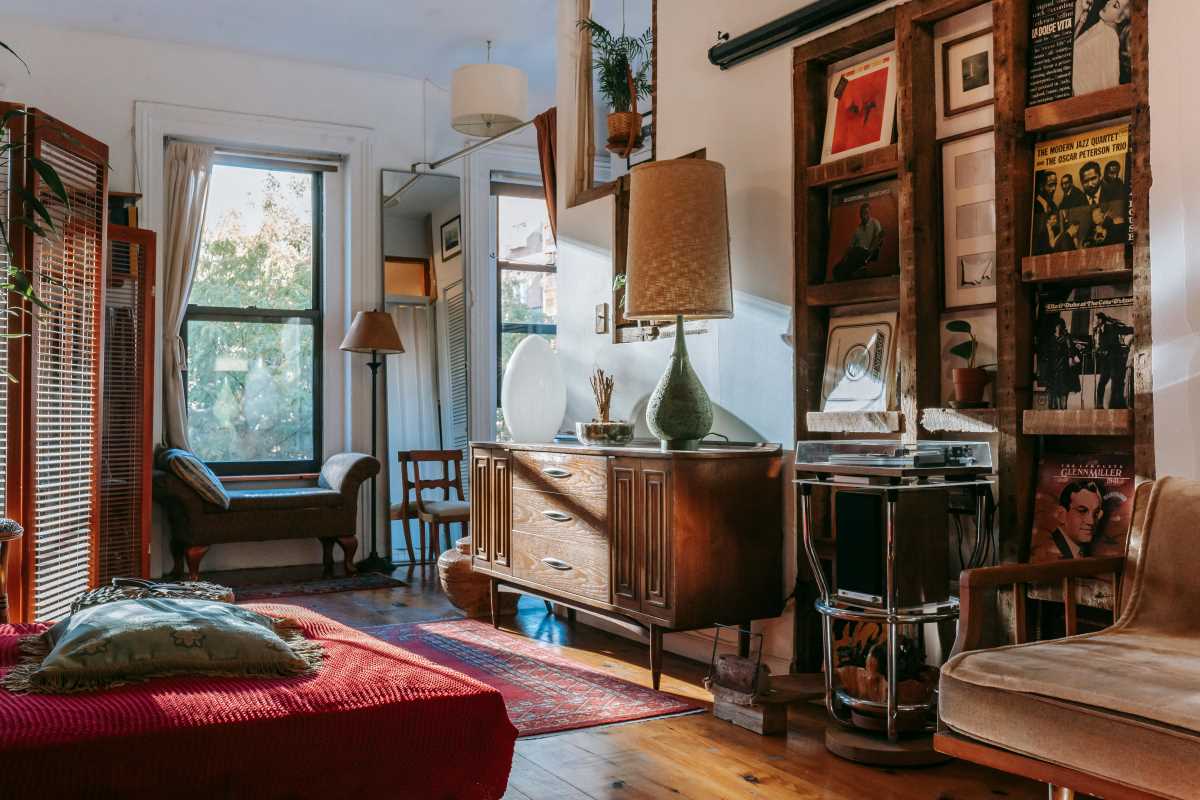
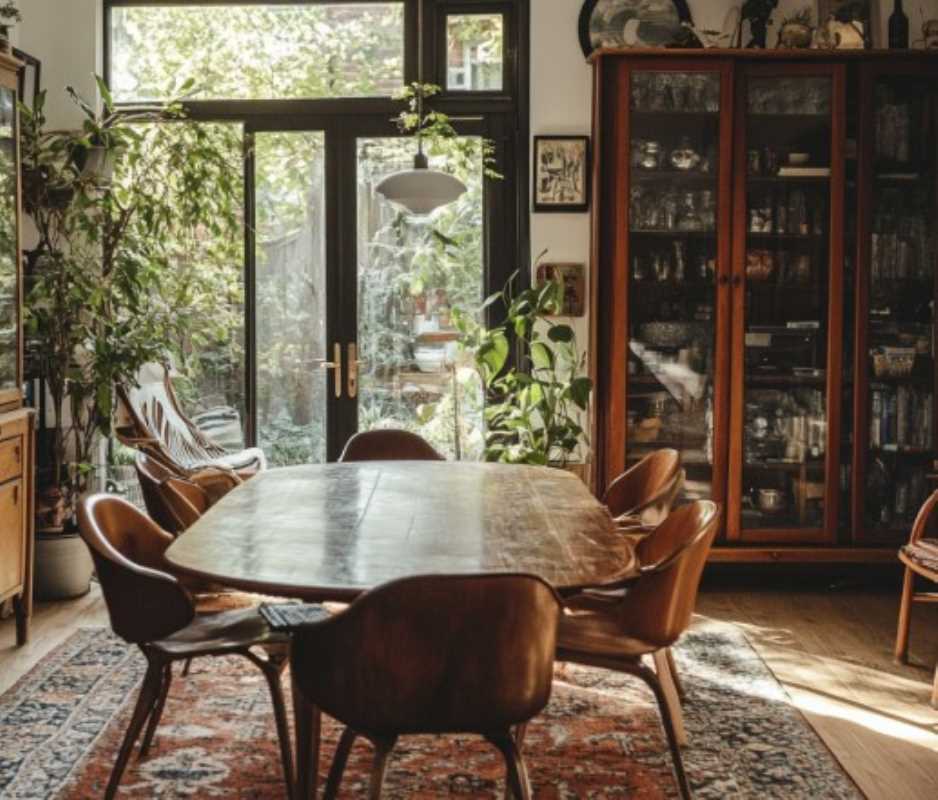
There is a profound beauty in furniture that bears the marks of time and use, telling a silent history of the life that has happened around it. A dining table etched with the faint scratches of countless family dinners or a leather armchair softened and worn by years of reading create an immediate sense of history and permanence. Instead of rushing to refinish these imperfections or cover them up, an honest home allows them to shine as badges of honor. This approach shifts the focus from maintaining a pristine, showroom quality to valuing the utility and longevity of the items we own. It signals to guests that this is a space where they can relax without fear of ruining a coaster or scratching a surface.
Incorporating patina requires a level of confidence in letting things age naturally and resisting the urge to replace items the moment they show wear. You can balance these older, worn pieces with cleaner, modern elements to prevent the room from feeling neglected. The contrast between a sleek, modern lamp and a battered wooden sideboard highlights the character of both. If you don't have heirlooms, look for vintage pieces that already have a story to tell. The goal is to surround yourself with materials that get better with age, solid wood, genuine leather, unlacquered brass, subtly reinforcing the idea that your home is built to last and to be lived in deeply.
Curating Shelves with Personal Narratives
Bookshelves and display surfaces often fall victim to the trend of over-styling, where books are turned backward to hide spines or generic decor is purchased solely to fill space. However, an honest home uses these surfaces to reflect the genuine interests and travels of the people who live there. Your shelves should be a library of your mind, filled with the books you have actually read, intend to read, or simply love, regardless of their cover colors. Interspersed among the volumes should be mementos that hold real emotional weight, a stone from a memorable hike, a piece of pottery made by a friend, or a vintage camera you actually use. These objects act as conversation starters and tangible memories.
To achieve this look without creating clutter, focus on grouping items by theme or memory rather than just aesthetics. Let your collection evolve slowly over time rather than rushing to "finish" a shelf in a single weekend shopping trip. It is perfectly fine if the arrangement looks a bit eclectic or if the books are stacked haphazardly because you were referencing them. This lack of rigid structure suggests that the home is in motion and that the objects within it are interacted with regularly. When a guest looks at your shelves, they should get a glimpse of your personality, not a generic catalog page. Authenticity here means displaying what you love, not just what matches the rug.
Leaving Tools of Daily Life on Display
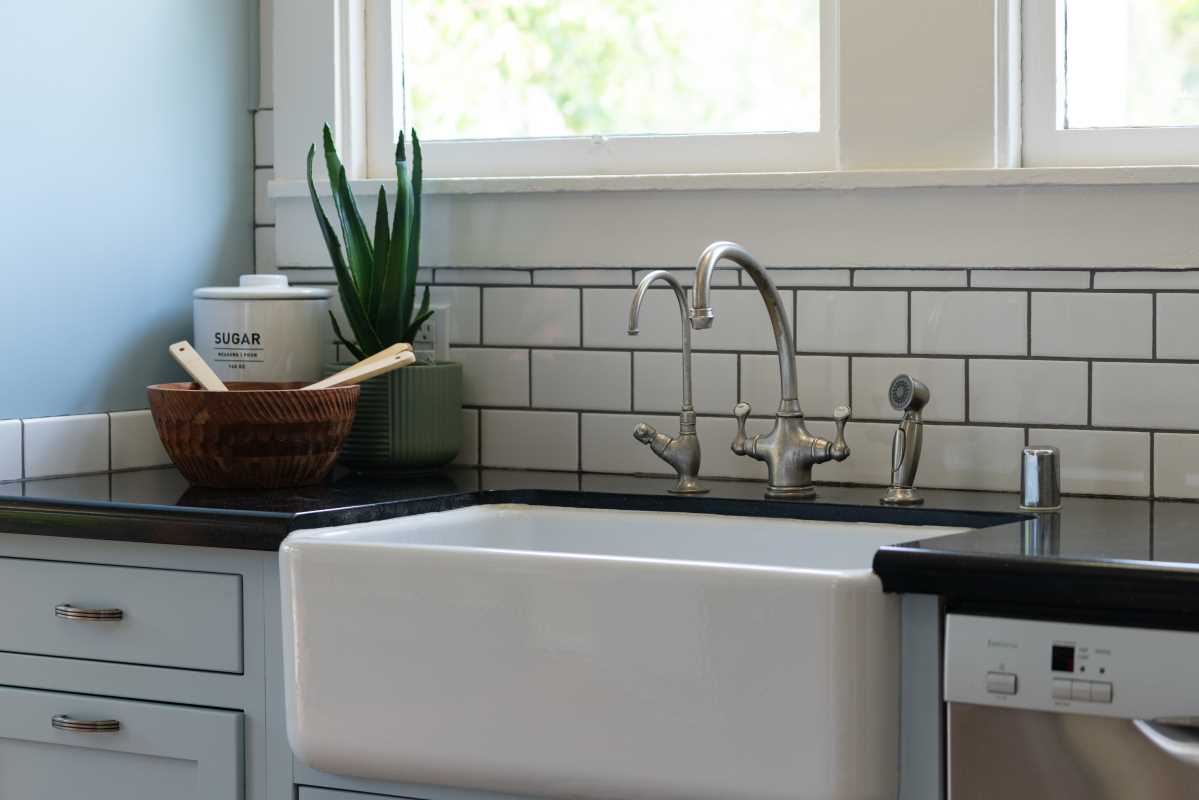
In the quest for minimalism, we often hide away the very tools that facilitate our daily joy, leaving counters barren and cold. An honest home acknowledges the rituals that sustain us by keeping the necessary tools visible and accessible. This might mean a heavy wooden cutting board that lives permanently on the counter because you cook every night, or a guitar leaning in the corner of the living room ready to be played. These "tools of the trade" add a layer of functional beauty that is impossible to fake. They show that the house is a workshop for living, where creativity, nourishment, and relaxation are actively pursued.
The key to keeping this practical and not messy is to invest in tools that are beautiful enough to be left out. Transfer your dish soap into a pretty glass dispenser, store your flour in a ceramic crock, or keep your paintbrushes in a vintage jar. By elevating the utility objects you use every day, you celebrate the mundane tasks of life rather than trying to erase them. It creates a subconscious invitation to engage with the space, to cook, to play, to create. A home that hides all evidence of activity can feel stagnant, whereas seeing a well-organized station for coffee or crafting makes the space feel vibrant and ready for action.
Incorporating Textures That Invite Touch
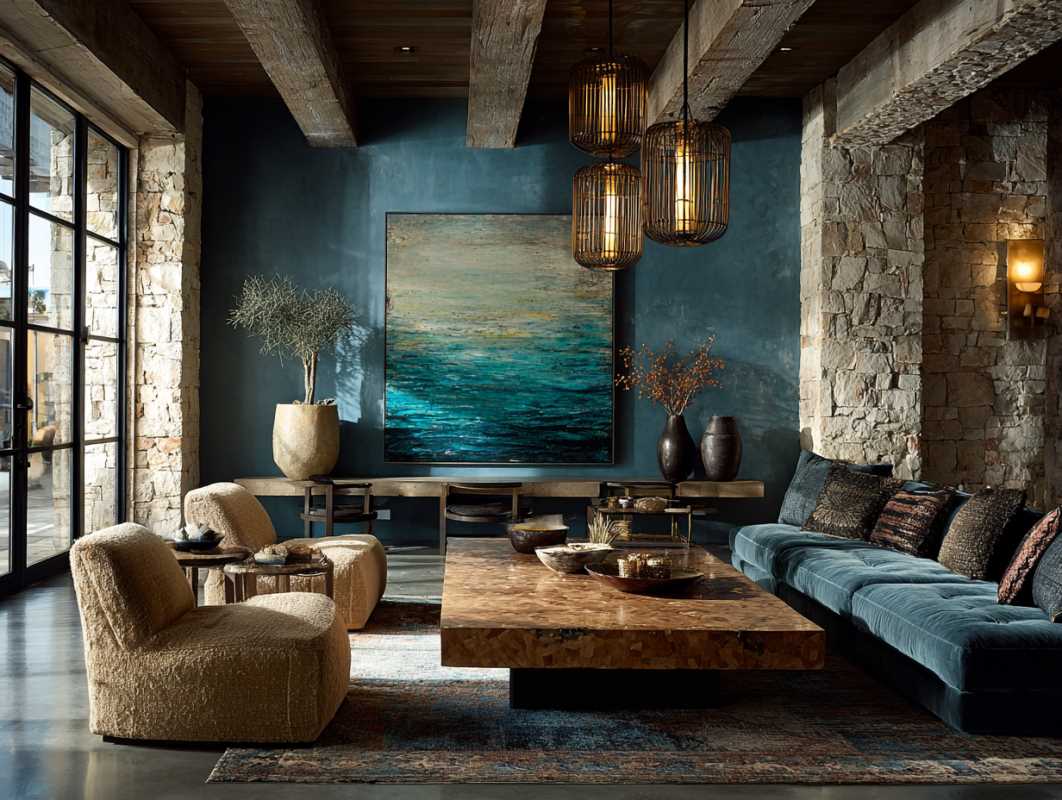
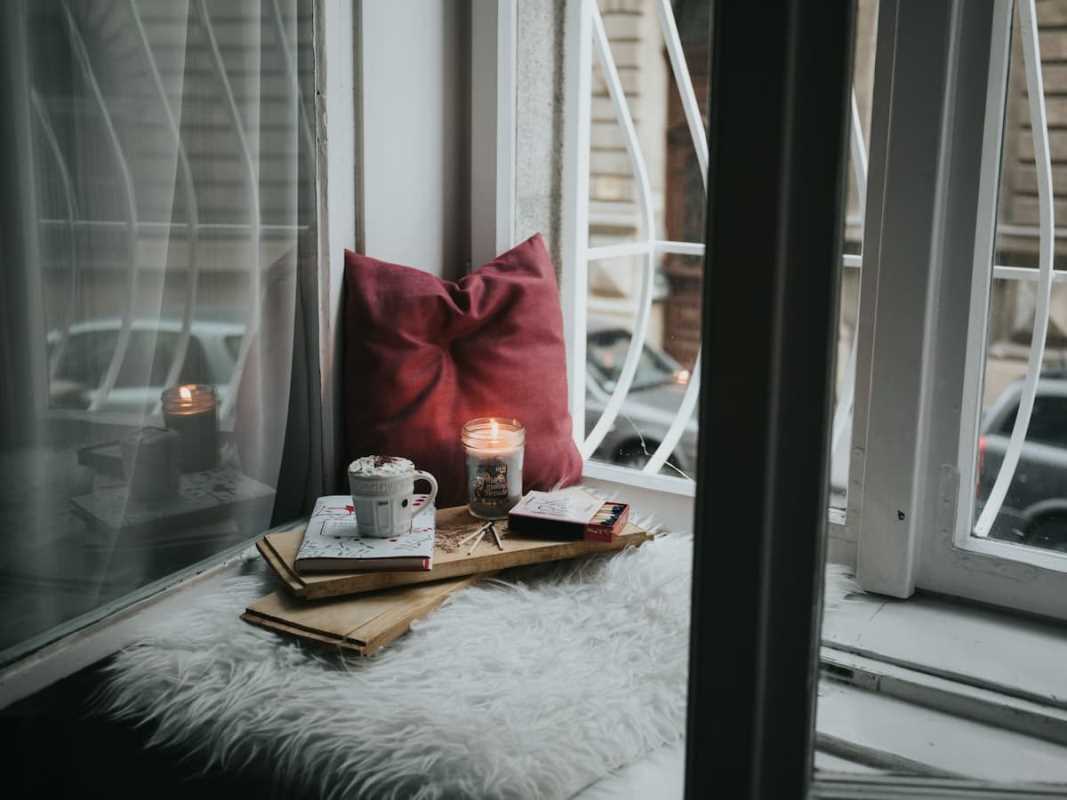
Honesty in design also translates to the tactile experience of a room; a home should feel as good as it looks. This means prioritizing natural, breathable materials that have an inherent warmth and irregularity, such as linen, wool, jute, and clay. Synthetic fabrics often have a uniform, plasticized feel that can create a subtle barrier between the person and the object. In contrast, a crumpled linen throw or a hand-woven wool rug invites you to touch, sit, and stay awhile. These materials acknowledge their natural origins and often have slight imperfections, slubs in the fabric or variations in the dye, that add depth and character to a room.
To bring this into your home, look for textiles that soften with use rather than deteriorate. Layering different textures prevents a room from feeling flat and one-dimensional. A velvet pillow on a cotton sofa, paired with a chunky knit blanket, creates a sensory landscape that feels rich and comforting. This tactile variety mimics the complexity of nature and makes a space feel established and grounded. Avoid things that are too precious or stiff; if a pillow is too decorative to lean on, it detracts from the honesty of the room. The goal is "lived-in luxury," where every surface is durable enough for real life but soft enough for real comfort.
Bringing in Ephemeral Natural Elements
While faux plants have become incredibly realistic, they lack the vital energy that living, changing elements bring to a home. An honest interior embraces the seasons through ephemeral natural touches that connect the indoors to the outdoors. This isn't about perfectly arranged florist bouquets, but rather about bringing in what is happening outside your window right now. It could be a jar of wildflowers picked from the roadside, a bowl of seasonal fruit on the table, or a branch of autumn leaves in a heavy vase. These elements are honest because they are temporary; they bloom, they fade, and they are composted, marking the passage of time within your walls.
This practice encourages a rhythm of renewal in your decor that feels organic rather than forced. It requires you to pay attention to the natural world and bring a piece of it inside to share your space. Even a collection of pinecones in a wooden bowl or forced bulbs in the winter adds a vibration of life that plastic cannot replicate. These touches remind us that our homes are part of a larger ecosystem. They add a fresh scent, a unique shape, and a pop of color that is perfectly imperfect. By welcoming nature in its raw, unmanicured form, you infuse your home with a spirit of spontaneity and life that feels effortlessly genuine.