 (Image via
As the daylight hours dwindle and the temperature outside drops, our natural instinct is to retreat indoors and seek comfort. Winter is the season of hibernation, a time when our homes become our primary sanctuaries against the cold. While turning up the thermostat helps, true warmth is often a matter of perception, created through what we see and touch. The secret to transforming a stark room into a cozy haven lies in texture. By layering rich, tactile materials throughout your living space, you can create an environment that feels physically warmer and emotionally soothing, making those long winter evenings something to look forward to rather than endure.
This approach to seasonal decor is about engaging the senses. It is not enough for a room to just look good; in winter, it must feel good against the skin. From the rough charm of natural wool to the smooth indulgence of velvet, different textures evoke feelings of safety, luxury, and relaxation. This guide explores five essential textures that can instantly elevate the comfort level of your home. Whether you are curling up with a book or hosting friends for a fireside chat, these elements work together to build a multi-sensory experience of coziness that turns the chill of winter into an opportunity for deep, restorative rest.
The Rustic Warmth of Chunky Knits
There is perhaps no texture more synonymous with winter comfort than a chunky knit. Whether it is a throw blanket draped over the arm of a sofa or oversized cushion covers, the exaggerated loops and weaves of heavy yarn visually signal warmth before you even touch them. This texture mimics the feeling of a favorite sweater, bringing a sense of personal comfort into the shared spaces of your home. Incorporating chunky knits is an easy way to add instant softness and depth to a room. Opt for natural fibers like wool or alpaca for the best heat retention and breathability, or high-quality acrylic blends for durability and ease of care.
The sensory appeal of a chunky knit lies in its weight and tactility. Wrapping yourself in a heavy knit throw provides a form of deep pressure therapy, which can help reduce anxiety and promote relaxation after a stressful day. Visually, the complex shadows created by the large stitches add interest to neutral color palettes, preventing white or beige rooms from looking flat and cold. To style this texture effectively, drape a large knit blanket across the foot of your bed or layer it over a smoother fabric, like cotton or linen, on your sofa. This contrast highlights the cozy nature of the knit and invites anyone entering the room to sit down and snuggle up.
The Luxurious Softness of Velvet
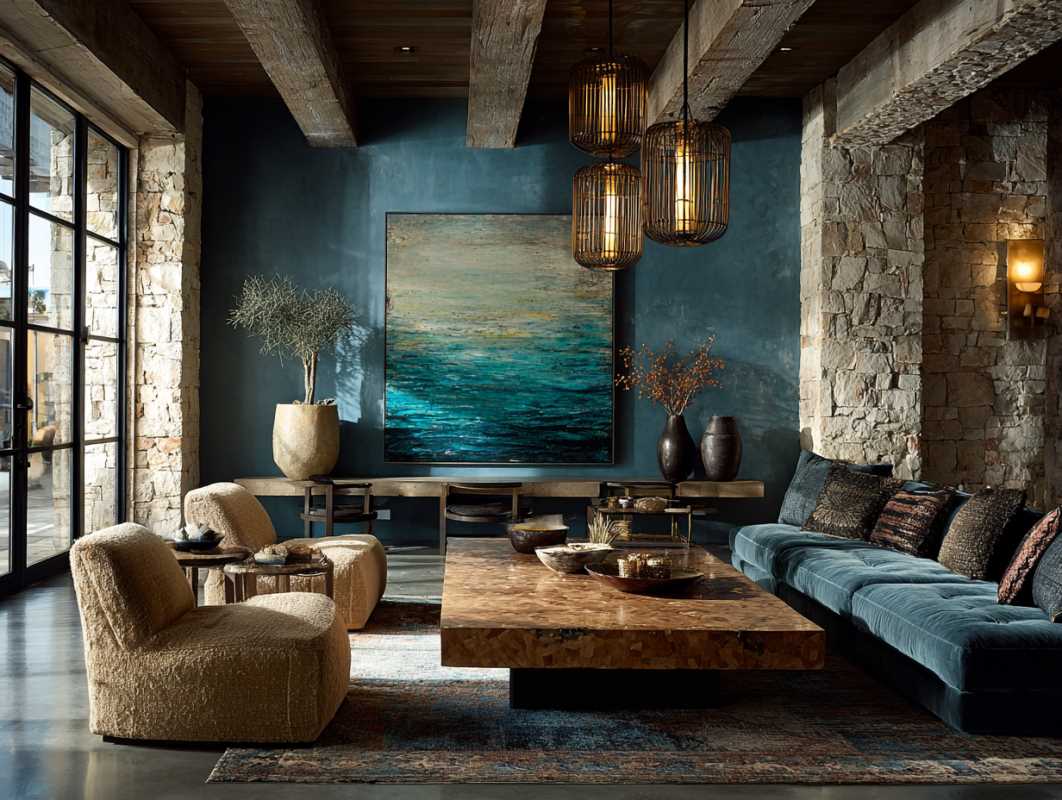
Velvet brings a touch of sophisticated warmth that elevates the cozy factor from rustic to regal. Its dense pile and unique ability to catch and reflect light give it a depth of color that other fabrics cannot match, making jewel tones like emerald, navy, or burgundy feel especially rich and inviting during the dark winter months. Adding velvet to your decor introduces a sense of opulence and softness that is incredibly soothing to the touch. Even small touches, such as a pair of velvet throw pillows or a plush ottoman, can dramatically alter the mood of a room, making it feel more intimate and enclosed against the harsh weather outside.
Practicality meets luxury when you incorporate velvet into your winter home. Despite its delicate appearance, modern performance velvets are quite durable and stain-resistant, making them suitable for high-traffic areas. The material is also naturally insulating, providing a warm surface to sit on compared to cold leather or thin cotton. To avoid overwhelming a space, mix velvet with matte textures. A velvet armchair placed next to a wooden side table or a velvet duvet cover paired with crisp cotton sheets creates a balanced look. This interplay of textures ensures the room feels curated and comfortable, offering a tactile experience that is smooth, warm, and undeniably special.
The Organic Comfort of Sheepskin
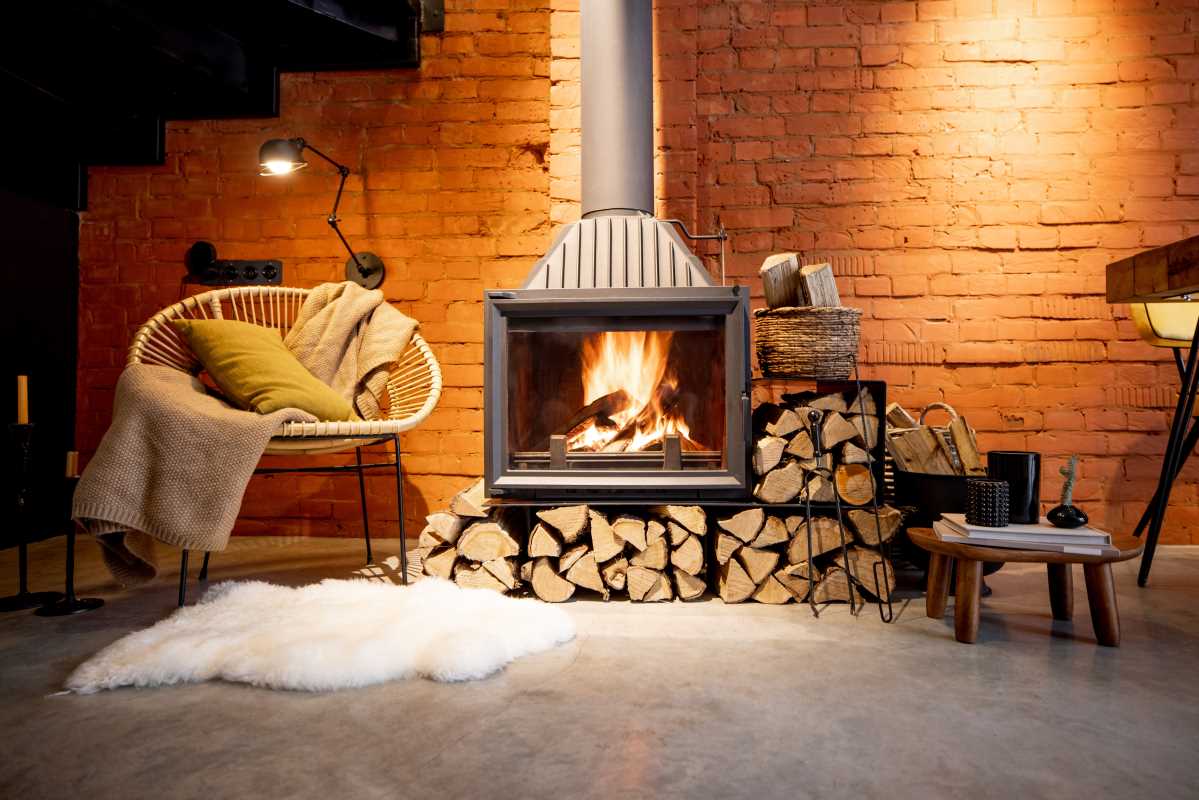
Sheepskin and faux fur offer a primal, organic texture that taps into our most basic need for warmth and shelter. The long, fluffy fibers trap heat effectively, creating pockets of warmth that are unbeatable on a freezing night. This texture is incredibly versatile; a single sheepskin rug can be tossed over a hard dining chair to soften the seat, laid beside the bed to greet your feet in the morning, or draped over a sofa back for extra lumbar support. The natural irregularity of the fur adds a wild, unmanicured element to interiors, breaking up the straight lines of modern furniture and adding a layer of softness that looks effortless.
Beyond its visual appeal, the tactile experience of sheepskin is deeply grounding. Running your fingers through the soft fibers can be a calming sensory activity, helping to lower heart rates and induce a state of relaxation. For a cohesive winter look, look for sheepskins in varying shades of cream, grey, or brown to complement a neutral palette, or go for dyed faux furs in deep hues for a bolder statement. Maintenance is easier than many assume; a good shake outside and a gentle brushing keep the fibers fluffy and free of dust. By introducing this raw, natural element, you connect your indoor environment to the natural world in a way that feels protective and incredibly cozy.
The Grounding Nature of Raw Wood
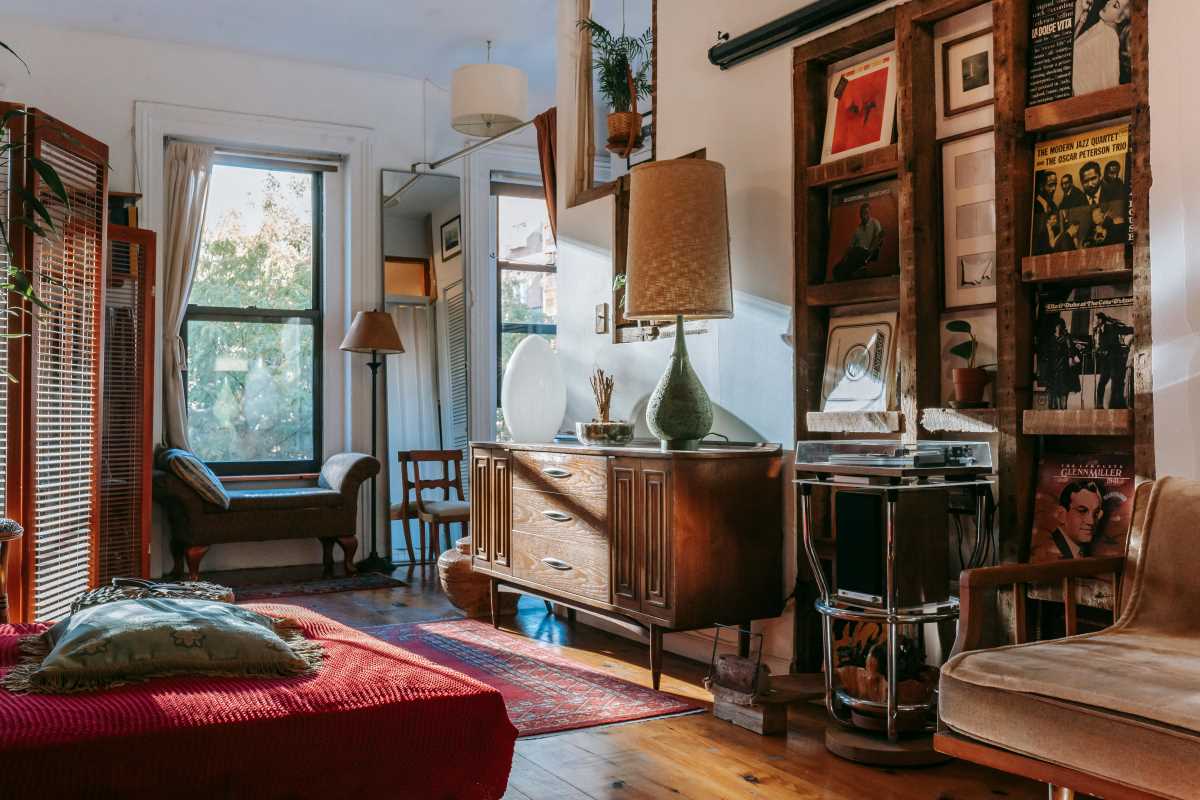
While not soft to the touch like fabrics, raw or reclaimed wood is essential for creating a warm visual temperature in a room. The grain, knots, and imperfections of natural wood tell a story of growth and resilience, grounding the space and providing a solid counterpoint to the softer textiles mentioned above. In winter, the golden and amber hues of wood seem to glow under soft lighting, creating a hearth-like atmosphere even if you don't have a fireplace. You can introduce this texture through small furniture pieces like a stump side table, wooden bowls filled with pinecones, or even a stack of birch logs displayed in a basket.
The presence of wood in an interior has been shown to have physiological benefits, reducing stress levels much like spending time in nature does. It brings the outdoors in, reminding us of the dormant forests outside while we stay warm inside. To maximize this effect, choose wood finishes that are matte or oiled rather than highly lacquered, as this preserves the natural feel and warmth of the material. Pairing raw wood elements with soft lighting, such as placing a lamp on a rustic wooden console, highlights the texture of the grain and creates intimate pockets of light. This combination anchors the room, making it feel secure, established, and deeply welcoming.
The Nostalgic Weave of Flannel
Flannel is the humble hero of winter textiles, evoking memories of cabin getaways and holiday mornings. Its brushed surface creates a "nap" that traps air and holds heat, making it physically warmer to the touch than standard cotton. Swapping your regular bedding for flannel sheets is a rite of passage for the season, ensuring that getting into bed is a cozy relief rather than a chilly shock. Beyond the bedroom, flannel can be introduced through throw pillows, curtains, or even table runners in classic plaids or solid, heathered greys. It offers a down-to-earth, unpretentious comfort that makes a house feel like a home.
The aesthetic of flannel is inherently casual and inviting, suggesting that your home is a place where one can truly relax and let their guard down. It pairs beautifully with other winter textures, bridging the gap between the roughness of wool and the smoothness of velvet. When choosing flannel decor, pay attention to the weight of the fabric; heavier weights generally pill less and offer more warmth. Incorporating flannel in social spaces, like a set of plaid cushions on the living room sofa, subconsciously signals to guests that they are in a relaxed, warm environment. It is a simple, nostalgic texture that wraps the home in a layer of familiar, dependable warmth.